Introduction
In a world where digital noise threatens to overshadow even the most compelling messages, brands must adopt innovative strategies to truly engage their audiences. The emergence of creator-led content, targeted advertising, and data-driven insights offers businesses a remarkable opportunity to enhance brand engagement. However, with a plethora of options at their disposal, how can companies effectively navigate this intricate landscape and ensure their marketing efforts resonate? This article delves into ten powerful digital advertising strategies aimed at boosting brand engagement and fostering meaningful connections with consumers.
MediaNug: Leverage Creator-Led Content for Enhanced Engagement
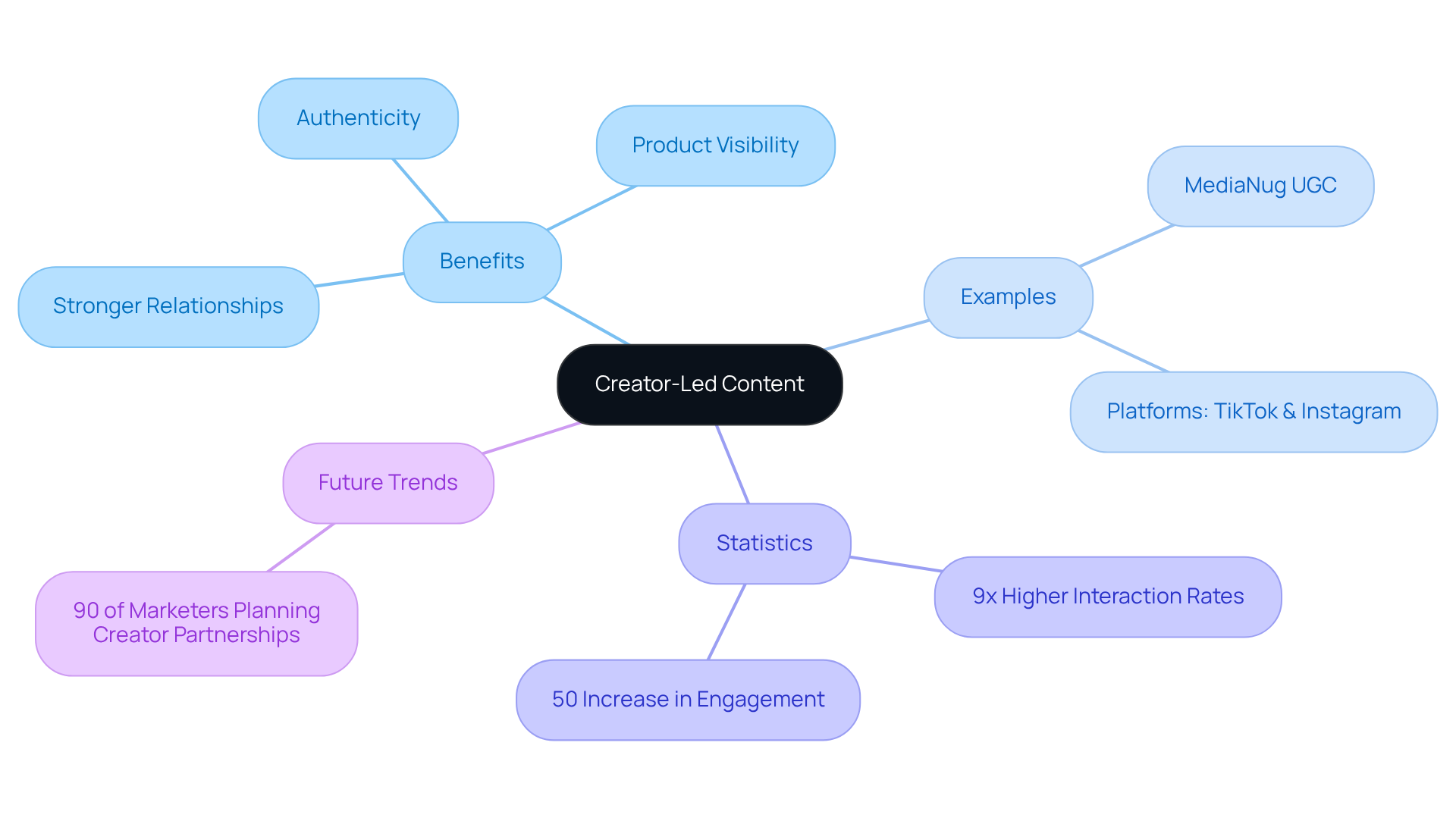
Engaging with is essential for companies aiming to connect with the authenticity and relatability that consumers increasingly seek. By who resonate with target audiences, businesses can produce content that feels genuine and captivating. This strategy not only but also cultivates stronger consumer relationships, resulting in significantly higher interaction rates.
For example, MediaNug's emphasis on illustrates how brands can effectively harness to craft compelling narratives that resonate across platforms like TikTok and Instagram. In fact, UGC has been shown to drive , with social campaigns featuring UGC experiencing a remarkable 50% increase in engagement.
As we approach 2025, over 90% of US marketers plan to promote through retail media networks, indicating that the impact of UGC on visibility and engagement is set to grow. Brands that adopt this approach will distinguish themselves in an increasingly competitive landscape. Are you ready to elevate your brand's presence by embracing the power of ?
Google Ads: Optimize Search Advertising for Targeted Reach
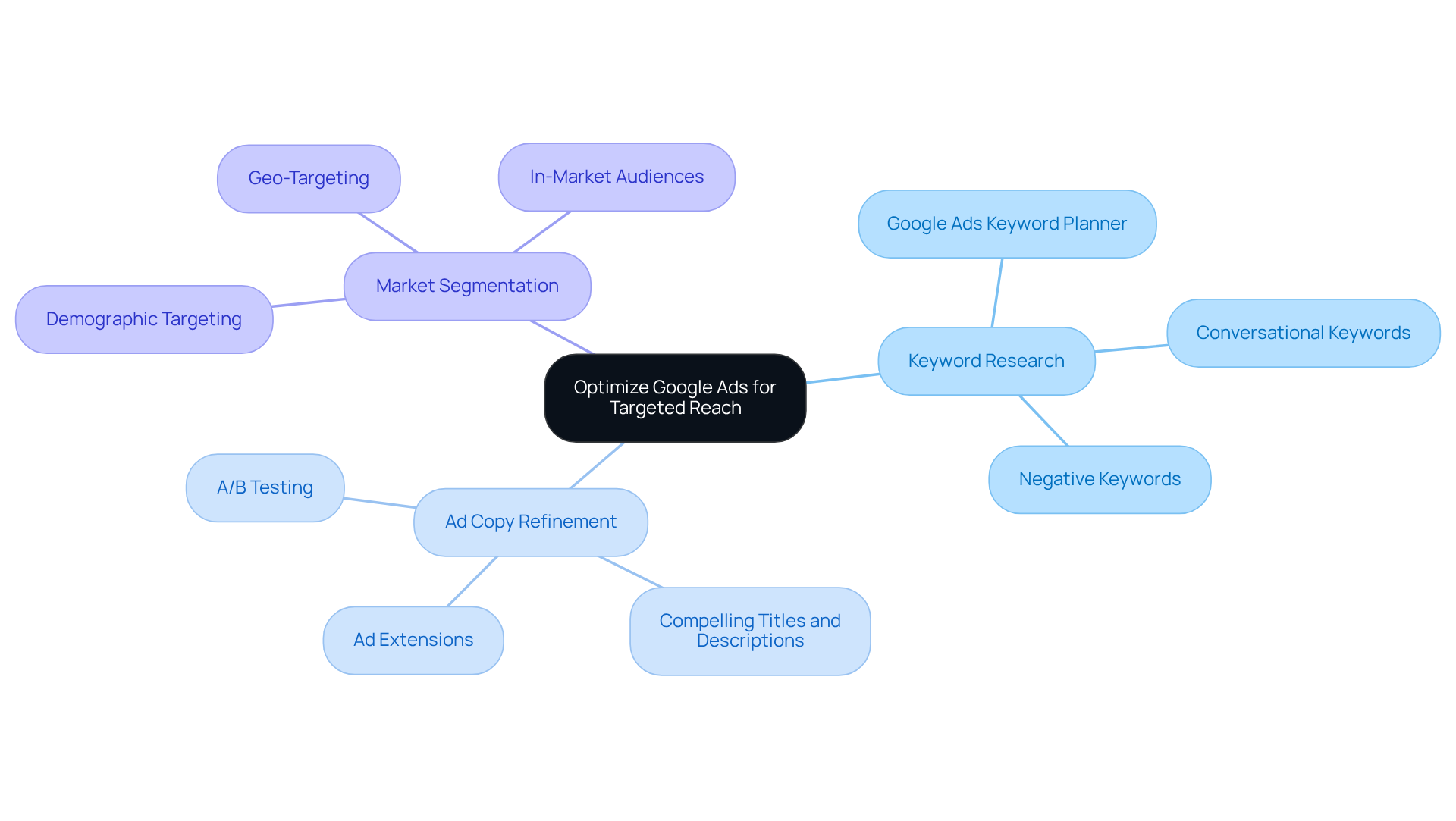
To truly enhance for targeted reach, companies must focus on three critical areas:
Have you ever wondered how some ads seem to hit the mark every time? Utilizing tools like can help identify that resonate with your audience.
Furthermore, is essential. This approach allows companies to discover which messages connect most effectively with their target market. By consistently and modifying bids based on data insights, businesses can significantly improve the effectiveness of their campaigns. This ensures that ads reach the appropriate viewers at the right time, and .
In conclusion, the strategic application of these techniques not only enhances visibility but also drives engagement. Are you ready to take your Google Ads to the next level?
Facebook Ads: Utilize Social Media Advertising for Direct Engagement
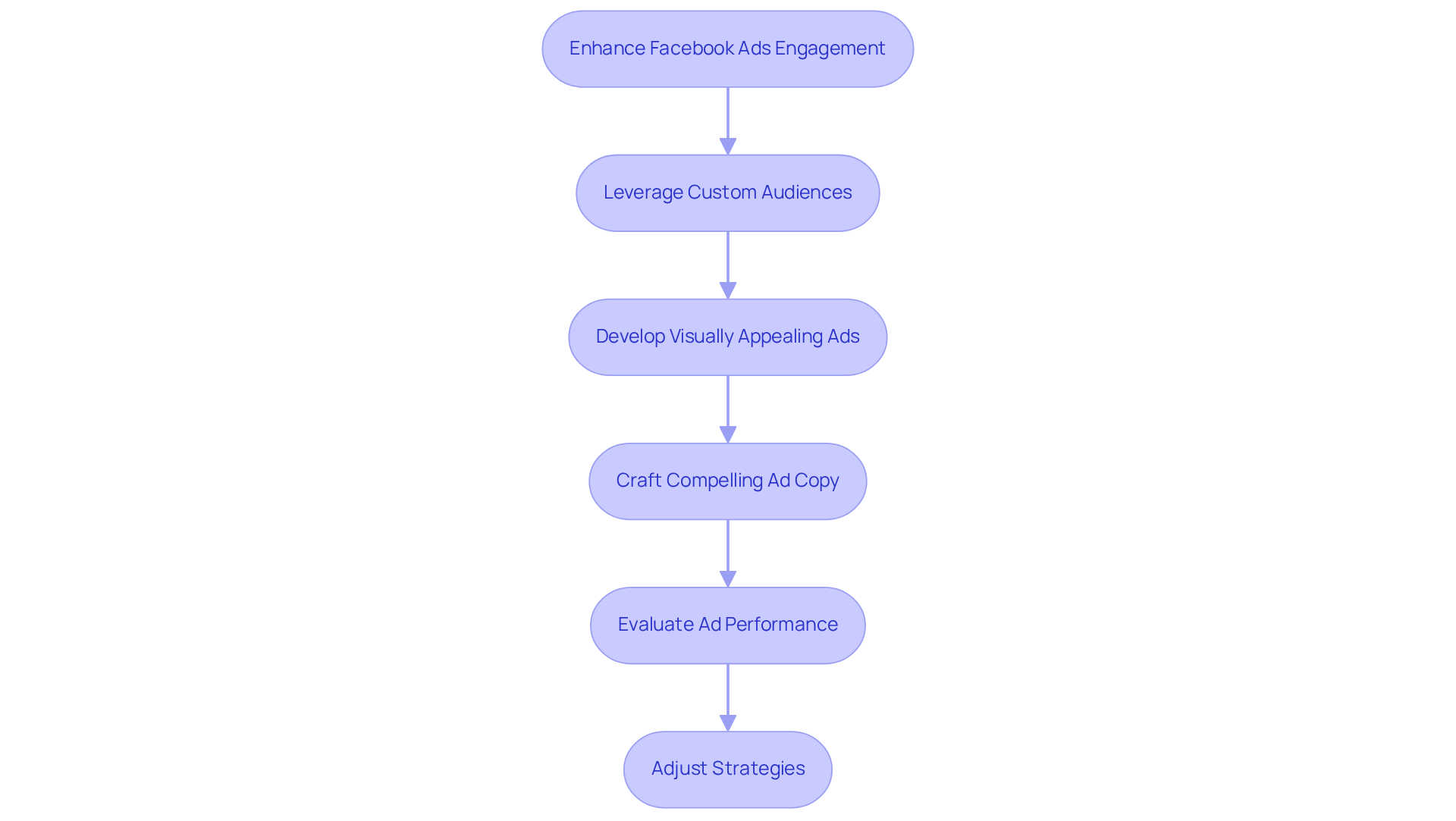
To enhance interaction through , companies must leverage features like to connect with users most likely to convert. Did you know that can significantly increase ? Developing , especially those that incorporate , can dramatically boost interaction. Furthermore, brands should focus on that not only informs but also encourages engagement - think about asking questions or prompting users to share their thoughts.
In addition, consistently evaluating and adjusting strategies based on viewer feedback is crucial. This ongoing assessment can lead to continuous improvement in engagement metrics. By implementing these strategies, companies can not only enhance their but also foster a . Are you ready to take your to the next level?
YouTube Ads: Harness Video Advertising to Capture Audience Attention
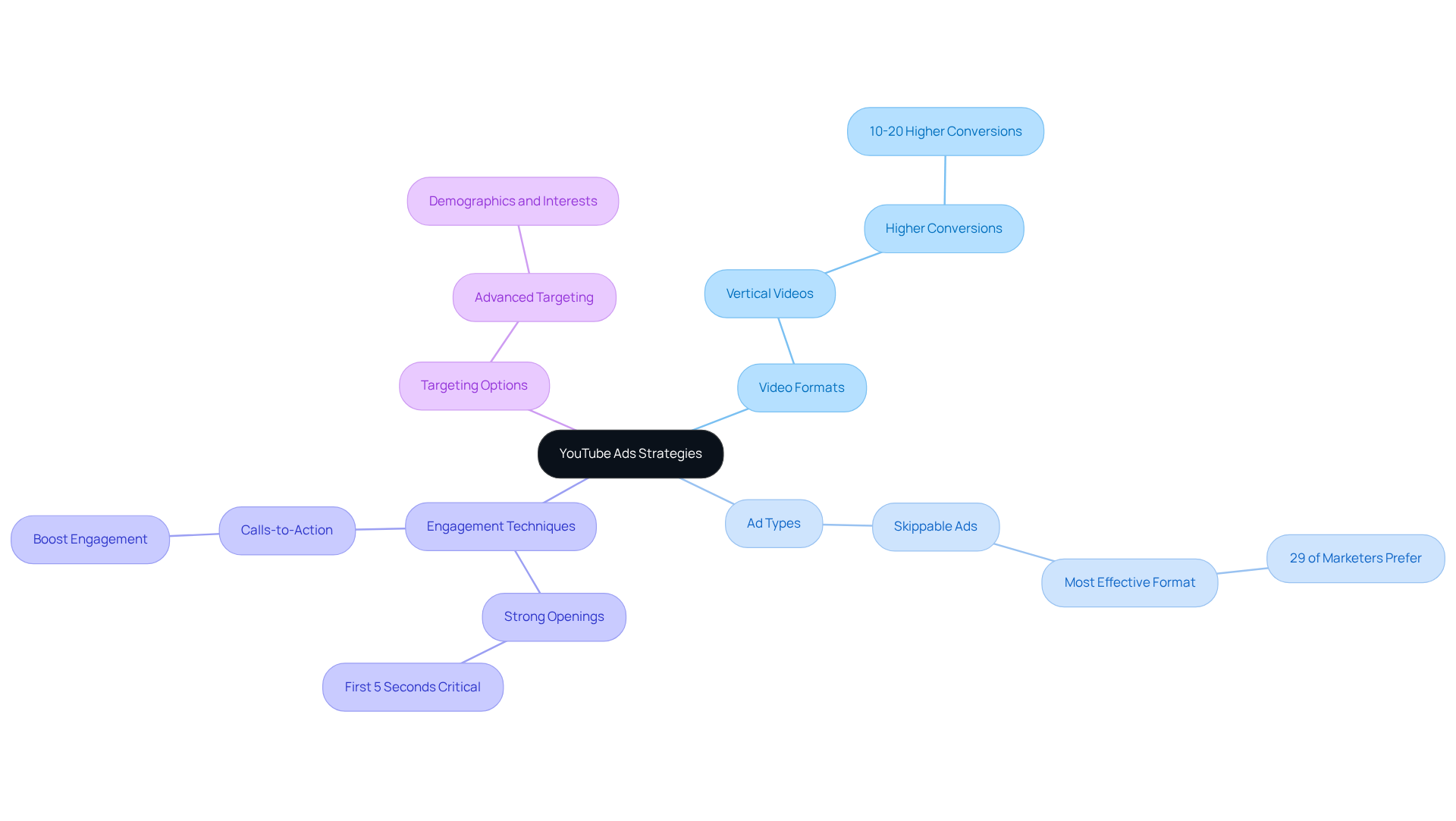
Brands can harness the power of to craft compelling that not only narrates a story but also showcases products in action. Did you know that compared to traditional formats? This statistic highlights how improves as viewers engage more deeply with narratives that resonate with them.
Furthermore, utilizing , leading to among those genuinely interested. In fact, 29% of marketers consider skippable ads the most effective format on YouTube. This format not only respects viewer choice but also enhances the overall effectiveness of advertising campaigns.
In addition, incorporating strong openings within the first five seconds is crucial for . A powerful start can make all the difference in retaining interest. Employing YouTube's - ensures that ads reach the most relevant viewers, maximizing impact.
Moreover, including compelling within videos can significantly , directing traffic to company websites and improving overall campaign effectiveness. By strategically implementing these elements, brands can elevate their advertising efforts on YouTube and achieve remarkable results.
LinkedIn Ads: Target Professionals with B2B Advertising Strategies
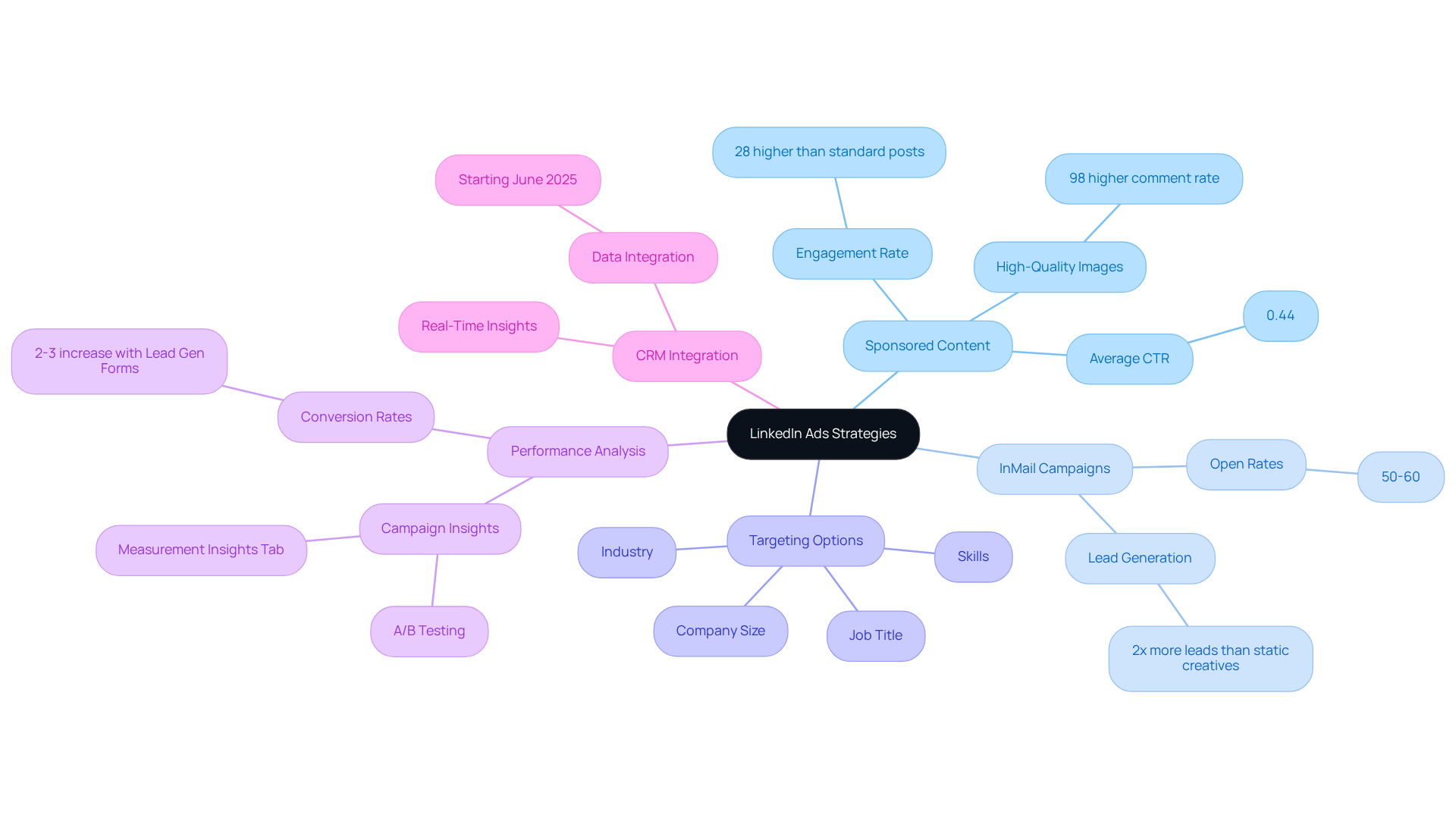
To effectively , brands must leverage sponsored materials and InMail campaigns that deliver . Creating content that addresses specific industry challenges or offers practical solutions significantly boosts engagement rates. For instance, did you know that sponsored content has an ? This statistic underscores its effectiveness in capturing attention.
Furthermore, utilizing LinkedIn's - such as job title, industry, and company size - enables organizations to connect directly with key decision-makers. Regular analysis of , coupled with adjustments based on engagement metrics, is crucial for optimizing . Incorporating tools like the can provide deeper insights into . In addition, the upcoming integration of CRM data into Campaign Manager, starting June 2025, will further enhance how companies manage their strategies.
This strategic approach not only improves targeting accuracy but also maximizes the for advertising efforts. Are you ready to take your to the next level?
Taboola: Implement Native Advertising for Seamless User Experience
through Taboola allows companies to engage audiences seamlessly and unobtrusively. By crafting content that resonates with users' preferences and browsing habits, businesses can significantly and drive traffic to their websites. In fact, research shows that native ads without text can increase click-through rates by as much as 42%.
To , attention-grabbing headlines and are essential. Companies should consistently monitor , such as:
Moreover, having 21-40 by approximately 300%, offering valuable insights for improving .
As is projected to surge by 372% from 2020 to 2025, implementing these strategies is vital for companies looking to thrive in the evolving digital landscape. Are you ready to elevate your advertising game?

Retargeting Ads: Re-Engage Visitors to Boost Conversion Rates
To maximize the , companies must segment their , such as website visits or abandoned carts. of these users significantly enhances engagement. For instance, dynamic ads showcasing products previously viewed by users capture attention more effectively than static alternatives, leading to that can soar by up to 150%. Furthermore, by 40-60%, establishing them as a powerful tool in .
Regular of is crucial. This practice allows brands to refine their strategies and enhance overall effectiveness. Moreover, ads should be displayed 2-4 hours after the visit for optimal interaction, and the post-click experience is vital for ensuring that continue the dialogue initiated by the ad. As highlighted by industry specialists, that drive conversions, ensuring that each ad addresses the user's journey and interests.

Email Marketing: Drive Engagement with Personalized Campaigns
To enhance interaction through , brands must prioritize based on preferences and behaviors. This tailored approach allows for the creation of personalized email messages that truly resonate with each segment, leading to . For instance, effective segmentation can result in , showcasing its power in connecting with the right audience through relevant messaging.
subject lines and messaging is essential for pinpointing what genuinely resonates with recipients, facilitating continuous optimization of campaigns. Furthermore, incorporating can elevate engagement levels, encouraging recipients to actively participate and interact with the content. As we look ahead to trends in 2025, the influence of on engagement is anticipated to become even more pronounced. Insights suggest that .
According to Matt Schott, "Dropping a first name into a subject line isn’t personalization anymore - it’s table stakes," underscoring the necessity for deeper personalization in email campaigns. Additionally, aiming for an and an optimal click-through rate of approximately 2.66% serves as benchmarks for evaluating the effectiveness of email campaigns.

Programmatic Advertising: Automate Ad Buying for Efficiency
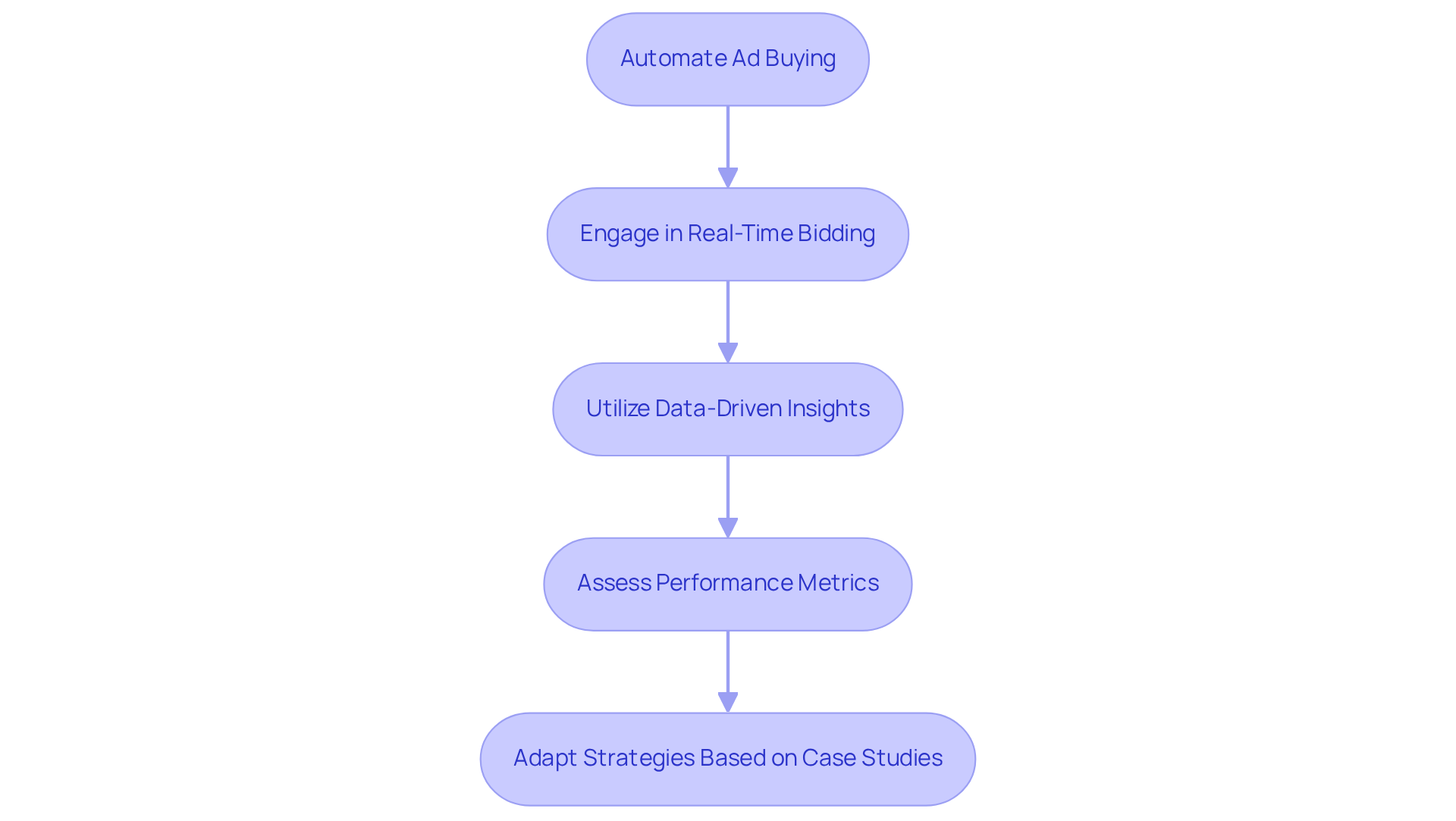
revolutionizes the way companies approach ad purchasing. By automating this process, businesses can engage in and optimization, ensuring they connect with their target audience across multiple platforms without the need for manual intervention. This efficiency is not just a convenience; it’s a game changer in how effectively campaigns can reach potential customers.
Utilizing to inform targeting decisions significantly enhances . Companies that leverage these insights can tailor their strategies to meet the specific needs and behaviors of their audience, leading to more impactful advertising. Furthermore, it’s crucial for companies to consistently assess . This ongoing evaluation allows them to refine their programmatic strategies and ensure optimal ad expenditure, maximizing their return on investment.
In addition, consider how demonstrate the power of . These examples not only showcase the potential for increased engagement but also highlight the importance of adapting strategies based on real-time data. Are you ready to take your advertising efforts to the next level? Engage with to explore how can transform your approach.
Google Analytics: Utilize Data Insights to Refine Advertising Strategies
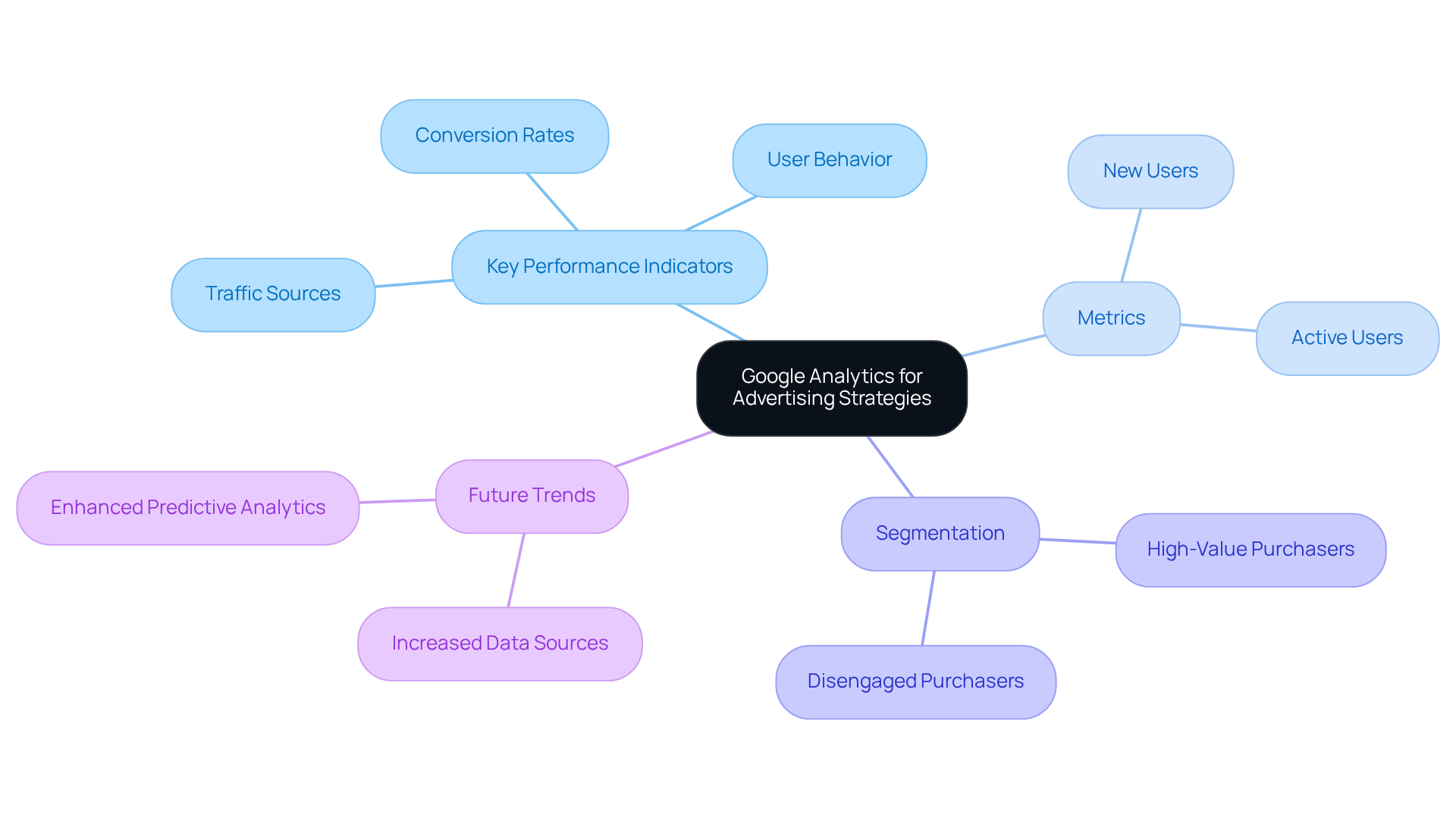
To truly harness the power of , companies must prioritize tracking (KPIs) like traffic sources, user behavior, and conversion rates. Establishing goals and funnels within the platform allows for an accurate assessment of the effectiveness of campaigns. Regularly reviewing these data insights enables that align advertising efforts with user preferences and behaviors.
For instance, companies that effectively leverage the New Users metric can gauge their digital presence, while the Active Users metric helps evaluate interaction levels. Analytics professionals warn that focusing solely on one metric can be misleading; a comprehensive approach that considers multiple data points is crucial for building actionable insights. Fiona Roddis emphasizes that relying on a single metric is inadequate for understanding site performance, highlighting the importance of considering both data and external factors to derive meaningful insights.
Moreover, utilizing advanced features like segmenting viewers significantly enhances targeting capabilities in , leading to improved . By 2025, the ability to segment groups effectively will be vital for companies aiming to refine their strategies and achieve higher engagement rates. Notably, 22% of websites using are based in the United States, underscoring the tool's relevance and accessibility for businesses, including the 71% of small enterprises that utilize it.
Additionally, the introduction of the High-Value Purchasers and Disengaged Purchasers templates in GA4 showcases practical applications of . As data integration continues to expand, with a 41% increase in anticipated in 2025, brands must adapt their strategies accordingly.
Conclusion
In today’s rapidly changing digital landscape, effective advertising strategies are not just beneficial; they are essential for brands aiming to boost engagement and visibility. By harnessing the power of creator-led content, optimizing search advertising, and leveraging social media platforms, businesses can cultivate genuine connections with their audiences. The insights shared in this article highlight the necessity of adapting to emerging trends and technologies to maintain a competitive edge.
Key strategies include:
- The remarkable impact of user-generated content on interaction rates
- The importance of targeted advertising through platforms like Google and Facebook
- The undeniable effectiveness of video content on YouTube
- Innovative approaches such as native advertising and retargeting techniques
- Personalized email marketing and programmatic advertising
As brands look ahead, embracing these digital advertising strategies will be crucial for success. Companies that prioritize data-driven insights and personalization will not only meet but exceed consumer expectations, ensuring sustained engagement and growth. So, why wait? It’s time to take action and implement these strategies to elevate your brand presence and forge deeper connections with audiences in 2025 and beyond.
Frequently Asked Questions
Why is creator-led content important for companies?
Creator-led content is essential for companies because it helps them connect with the authenticity and relatability that consumers seek. Collaborating with creators allows businesses to produce genuine and captivating content, boosting product visibility and cultivating stronger consumer relationships.
How does user-generated content (UGC) impact engagement?
UGC significantly boosts engagement, driving interaction rates that are nine times higher than traditional brand-created content. Social campaigns featuring UGC have shown a remarkable 50% increase in engagement.
What trends are expected regarding creator partnerships by 2025?
By 2025, over 90% of US marketers plan to promote creator partnerships through retail media networks, indicating that the impact of UGC on visibility and engagement will continue to grow.
What are the critical areas to focus on for optimizing Google Ads?
The three critical areas for optimizing Google Ads are keyword research, ad copy refinement, and market segmentation.
How can companies identify high-converting keywords for their ads?
Companies can use tools like Google Ads Keyword Planner to identify high-converting keywords that resonate with their audience.
What is the purpose of A/B testing in ad campaigns?
A/B testing allows companies to discover which ad variations connect most effectively with their target market by assessing performance metrics and modifying bids based on data insights.
What strategies can enhance engagement through Facebook Ads?
Companies can enhance engagement by leveraging custom and lookalike audiences, developing visually appealing ads (especially video content), crafting compelling ad copy, and consistently evaluating ad performance to adjust strategies based on viewer feedback.
How can brands foster a deeper connection with their audience through Facebook Ads?
Brands can foster a deeper connection by creating ads that not only inform but also encourage engagement, such as asking questions or prompting users to share their thoughts.
List of Sources
- MediaNug: Leverage Creator-Led Content for Enhanced Engagement
- emarketer.com (https://emarketer.com/content/creator-economy-trends-watch-2025)
- Why creator-led content marketing is the new standard in search (https://searchengineland.com/creator-led-content-marketing-future-of-search-428185)
- inbeat.agency (https://inbeat.agency/blog/ugc-statistics)
- Complete guide to user-generated content (UGC) in 2025 (https://blog.hootsuite.com/user-generated-content-ugc)
- Google Ads: Optimize Search Advertising for Targeted Reach
- marketingltb.com (https://marketingltb.com/blog/statistics/google-ads-statistics)
- A/B Testing: A Powerful Tool For Optimizing Your Google Ads (https://forbes.com/councils/forbesagencycouncil/2024/10/30/ab-testing-a-powerful-tool-for-optimizing-your-google-ads)
- storegrowers.com (https://storegrowers.com/google-ads-benchmarks)
- brentonway.com (https://brentonway.com/top-google-ads-and-ppc-stats)
- demandsage.com (https://demandsage.com/google-ads-statistics)
- Facebook Ads: Utilize Social Media Advertising for Direct Engagement
- Facebook Ad Benchmarks for YOUR Industry [Data] (https://wordstream.com/blog/ws/2017/02/28/facebook-advertising-benchmarks)
- 24 Quotes Regarding Facebook's Advertising Effectiveness by Social Media Expert Evan Weber (https://linkedin.com/pulse/24-quotes-regarding-facebooks-advertising-social-media-evan-weber)
- blog.hootsuite.com (https://blog.hootsuite.com/facebook-algorithm)
- 39 Facebook statistics marketers should know in 2026 (https://sproutsocial.com/insights/facebook-stats-for-marketers)
- YouTube Ads: Harness Video Advertising to Capture Audience Attention
- marketingltb.com (https://marketingltb.com/blog/statistics/youtube-ads-statistics)
- strikesocial.com (https://strikesocial.com/blog/youtube-ads-statistics-global-data-trends)
- vibe.co (https://vibe.co/blog/how-to/youtube-ad-strategies)
- vidico.com (https://vidico.com/news/youtube-marketing-statistics)
- cnbc.com (https://cnbc.com/2025/05/14/youtube-gemini-ai-feature-will-target-ads-when-viewers-most-engaged.html)
- LinkedIn Ads: Target Professionals with B2B Advertising Strategies
- poweredbysearch.com (https://poweredbysearch.com/learn/linkedin-ads-stats-benchmarks)
- marketingltb.com (https://marketingltb.com/blog/statistics/linkedin-ads-statistics)
- linkedin.com (https://linkedin.com/posts/joshanisfeld_linkedin-algorithm-changes-2025-activity-7371210832925376512-yCup)
- business.linkedin.com (https://business.linkedin.com/marketing-solutions/success/best-practices/sponsored-content-tips)
- linkedin.com (https://linkedin.com/business/marketing/blog/linkedin-ads/new-ways-to-get-even-more-out-of-your-linkedin-ads)
- Taboola: Implement Native Advertising for Seamless User Experience
- bridgewell.com (https://bridgewell.com/en/complete-guide-for-native-advertising)
- taboola.com (https://taboola.com/marketing-hub/mediaradar-native-advertising)
- marketingltb.com (https://marketingltb.com/blog/statistics/native-advertising-statistics)
- finance.yahoo.com (https://finance.yahoo.com/news/taboola-set-gain-advertising-shift-152400785.html)
- investing.com (https://investing.com/news/transcripts/taboola-at-global-technology-conference-transition-to-performance-advertising-93CH-4365950)
- Retargeting Ads: Re-Engage Visitors to Boost Conversion Rates
- aptvisuals.com (https://aptvisuals.com/retargeting-ads-how-to-bring-back-lost-customers-2025-guide)
- topposition.com (https://topposition.com/blog/retargeting-ads-a-key-strategy-for-higher-conversions)
- demandsage.com (https://demandsage.com/retargeting-statistics)
- searchrepublic.co.nz (https://searchrepublic.co.nz/blog/retargeting-ads-101-for-marketers-in-2025)
- Email Marketing: Drive Engagement with Personalized Campaigns
- socalnewsgroup.com (https://socalnewsgroup.com/2025/02/13/email-marketing-trends-2025)
- useinsider.com (https://useinsider.com/email-personalization)
- E-Mail-Marketing-Benchmarks und Branchen-Statistiken | Mailchimp (https://mailchimp.com/resources/email-marketing-benchmarks)
- martechcube.com (https://martechcube.com/revolutionizing-email-marketing-through-generative-ai)
- emarsys.com (https://emarsys.com/learn/blog/improving-email-engagement-rates)
- Programmatic Advertising: Automate Ad Buying for Efficiency
- adsmurai.com (https://adsmurai.com/en/articles/programmatic-advertising-trends)
- pivotus.com.au (https://pivotus.com.au/case_studies/ai-performance-optimisation-in-programmatic)
- emarketer.com (https://emarketer.com/content/ai-transforming-media-buying--balance-remains-key)
- bostonbrandmedia.com (https://bostonbrandmedia.com/news/ai-media-how-automation-is-reshaping-global-ad-spend)
- econsultancy.com (https://econsultancy.com/18-quotes-on-programmatic-advertising)
- Google Analytics: Utilize Data Insights to Refine Advertising Strategies
- searchengineland.com (https://searchengineland.com/google-pushes-deeper-into-lifecycle-targeting-with-new-ga-audience-templates-465564)
- analytikus.com (https://analytikus.com/post/2017/01/30/22-quotes-of-analytics-wisdom-straight-from-the-experts)
- narrative.bi (https://narrative.bi/analytics/google-analytics-statistics-ga4-included)
- whistlerbillboards.com (https://whistlerbillboards.com/marketing/changes-in-2025-with-google-analytics-4)
- agencyanalytics.com (https://agencyanalytics.com/blog/google-analytics-4-metrics)