Introduction
In today’s fast-paced market, where consumer preferences shift rapidly, grasping the intricacies of marketing segmentation is essential. This article delves into ten compelling examples that showcase how brands can boost engagement through tailored strategies - ranging from leveraging creator-led content to utilizing data-driven insights. As companies aim to connect authentically with diverse audiences, a pressing question emerges: how can they effectively navigate the complexities of segmentation to not only capture attention but also cultivate lasting loyalty?
Furthermore, understanding these dynamics is not just about attracting attention; it’s about fostering a deeper connection with consumers. By examining successful case studies, we’ll uncover actionable insights that can guide brands in their quest for meaningful engagement. Let’s explore how these strategies can transform the way businesses interact with their audiences.
MediaNug: Leveraging Creator-Led Content for Targeted Marketing Segmentation
MediaNug excels in harnessing as to refine its . By partnering with verified creators, companies can craft with distinct segments of the public. This approach not only amplifies engagement but also significantly by using to align content with the interests and preferences of .
For instance, campaigns targeting Gen Z can effectively leverage creators who are popular on platforms like TikTok, engaging them in their preferred environments and driving higher interaction rates. Indeed, have been shown to double purchase intent among users, underscoring the power of in targeted promotions. As audiences increasingly crave authenticity, companies that prioritize genuine collaborations with creators are poised to see enhanced as we move into 2026.
Are you ready to elevate your marketing strategy? Embrace the potential of with MediaNug and watch your audience engagement soar.

Demographic Segmentation: Tailoring Strategies by Age, Gender, and Income
is one of the key that plays a pivotal role in classifying audiences based on traits like age, gender, and income. This classification empowers companies to tailor their effectively. For example, illustrate how often target high-income individuals aged 30-50, capitalizing on their purchasing power to craft exclusive campaigns. Conversely, brands aimed at younger demographics focus on creating messages that resonate with their lifestyle and preferences.
Recent trends reveal that marketers are honing their targeting strategies through data analytics. In 2026, 44% of marketers reported understanding their customers' , while only 39% could access . This disparity highlights the challenges in . By analyzing customer information, companies can ensure their advertisements are not only relevant but also appealing to their intended audience.
Successful campaigns from serve as that exemplify this targeted approach. Companies that emphasize exclusivity and personalized experiences have seen significant engagement from . Marketing analysts suggest that customizing messages to reflect the aspirations and values of these segments can enhance loyalty and drive conversions. Moreover, insights from the Instagram Demographics for 2026 case study underscore the importance of and short-form video content in engaging this demographic.
As the market evolves, understanding the nuances of age and income demographics becomes essential for companies aiming to boost engagement and achieve measurable growth. Are you ready to refine your and connect more effectively with your audience?

Psychographic Segmentation: Aligning Marketing with Consumer Lifestyles and Values
classifies individuals based on their lifestyles, values, and interests, allowing companies to effectively. Consider this: a company targeting environmentally conscious consumers might in its communications. By aligning promotional strategies with the principles of specific segments, businesses can foster and enhance . This personalized approach resonates emotionally, ultimately driving .
Indeed, organizations that prioritize report up to 52% greater loyalty and engagement among their customers. Furthermore, 31% of consumers cite as a key reason for their ongoing engagement and loyalty to a brand. As Lisa Gansky aptly states, 'A label is a voice, while a product is a souvenir.' This highlights the critical need for companies to forge that not only attract but also retain customers in today's competitive landscape.

Behavioral Segmentation: Understanding Consumer Purchase Patterns and Interactions
is a powerful tool that analyzes consumer actions, such as and engagement levels. Have you ever wondered how companies ? For instance, a company might categorize its customers based on whether they are first-time purchasers or returning clients. By understanding these behaviors, businesses can customize their to meet the .
This could involve personalized email campaigns for repeat customers or for new users. Such tailored approaches not only enhance but also lead to and increased sales. In addition, leveraging allows companies to refine their strategies continuously, ensuring they remain relevant in a competitive market.
Ultimately, the key to success lies in of your customers and acting on that knowledge. Are you ready to implement in your marketing efforts?

Geographic Segmentation: Adapting Marketing Strategies to Local Preferences
is a powerful strategy that categorizes groups based on their location, enabling companies to tailor their approaches to align with . For example, fast-food giants like McDonald's often adapt their menu offerings to reflect regional tastes, such as introducing spicy options in areas where customers favor bold flavors. As Seth Godin aptly puts it, 'Our job is to , to interact with them in a way that leaves them better than we found them.' By recognizing the cultural and economic factors that shape in specific locales, brands can craft that resonate deeply with local audiences. This tailored approach not only enhances engagement but also drives sales by incorporating examples of that ensure marketing efforts are relevant and appealing to the target demographic.
Furthermore, the latest State of Marketing report underscores the importance of understanding local nuances in developing that foster stronger relationships with customers. To effectively implement , companies should consider the following actionable tips:
- Conduct thorough to identify .
- Utilize to monitor trends.
- Test and iterate marketing campaigns based on regional feedback.
By following these steps, businesses can create impactful marketing strategies that truly connect with their audience.

Enhancing Customer Engagement: The Role of Market Segmentation in Personalization
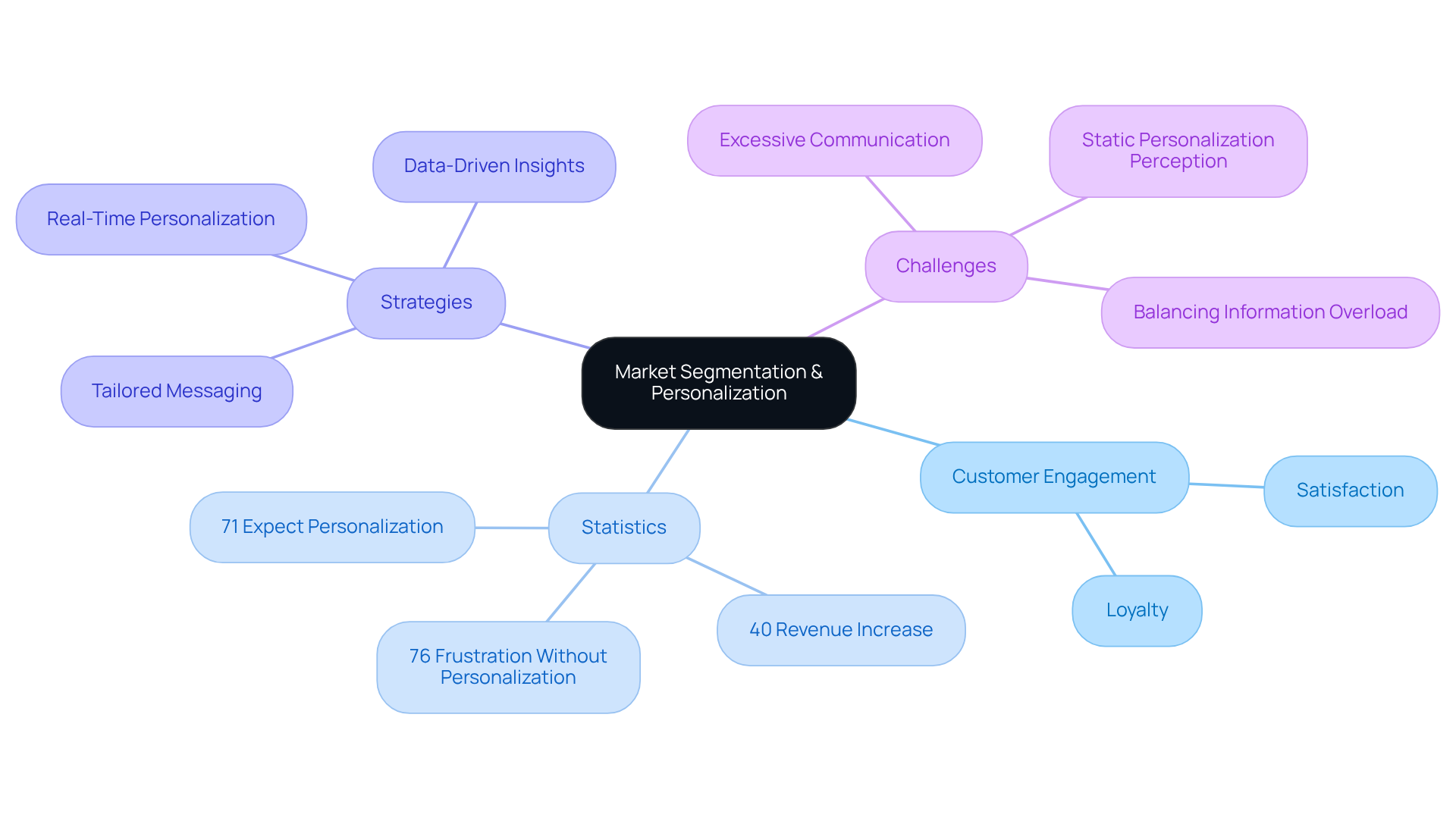
Market segmentation plays a pivotal role in boosting by allowing companies to craft that truly resonate with distinct consumer groups. By delving into the unique needs and preferences of various segments, businesses can and offerings effectively. For example, consider a beauty company that designs customized skincare routines based on individual skin types and concerns. This not only showcases a commitment to understanding but also highlights the .
This targeted approach significantly enhances and fosters loyalty, as individuals feel recognized and valued. In fact, studies reveal that 71% of customers expect personalized interactions. can see revenue increases of up to 40%. However, it’s crucial to strike a balance; while personalization is key, overwhelming consumers with too much information can backfire. were twice as likely to feel inundated with information and three times as likely to regret their purchases.
Moreover, 76% of customers express frustration when they don’t receive personalized interactions, underscoring the necessity of effective personalization. As Diego Alamir points out, static personalization is often perceived as 'lazy,' which emphasizes the need for companies to refine their strategies. By cultivating meaningful connections, businesses can promote repeat purchases and build enduring relationships with their customers.
Data-Driven Segmentation: Utilizing Analytics to Refine Marketing Strategies
to pinpoint and refine and engagement metrics. By delving into customer information, companies can uncover insights that reveal which segments respond most favorably to specific promotional efforts. For example, a company might find that a particular demographic engages significantly with email promotions, prompting them to with this group.
This strategic approach not only sharpens targeting accuracy but also maximizes , ensuring resources are allocated wisely to boost engagement and conversions. As market dynamics evolve, companies prioritizing in their segmentation strategies will be better positioned to meet the needs of their target audiences and achieve sustainable growth.
Consider this: according to Kantar, . This statistic underscores the importance of aligning with consumer values. Furthermore, with , integrating analytics into will be crucial for companies aiming to stay competitive in this ever-changing landscape.

Social Media Insights: Informing Segmentation Strategies for Targeted Marketing
Social media platforms serve as a treasure trove of data, significantly enhancing . By meticulously analyzing user interactions, preferences, and demographics, companies can identify key target segments, which serve as , and tailor their promotional efforts accordingly. For example, a fashion label might leverage Instagram analytics to discover which styles resonate most with their audience, paving the way for .
Consider this: a recent survey revealed that 73% of marketers are prioritizing , while 47% are focusing on as they approach 2026. This not only amplifies the effectiveness of but also cultivates deeper engagement. As Amanda Gordon, CMO at Emplifi, aptly states, "Audiences are increasingly quick to recognize when content feels entirely automated or lacks a human touch."
As we move into 2026, the ability to analyze will be crucial for companies aiming to refine their targeting strategies and connect authentically with their audience. Marketers are increasingly aware that harnessing analytics is vital for crafting campaigns that resonate profoundly, ultimately . However, they must also navigate challenges such as algorithm shifts and evolving customer expectations, underscoring the need to remain agile and informed.

Continuous Testing and Optimization: Adapting Segmentation Strategies for Success
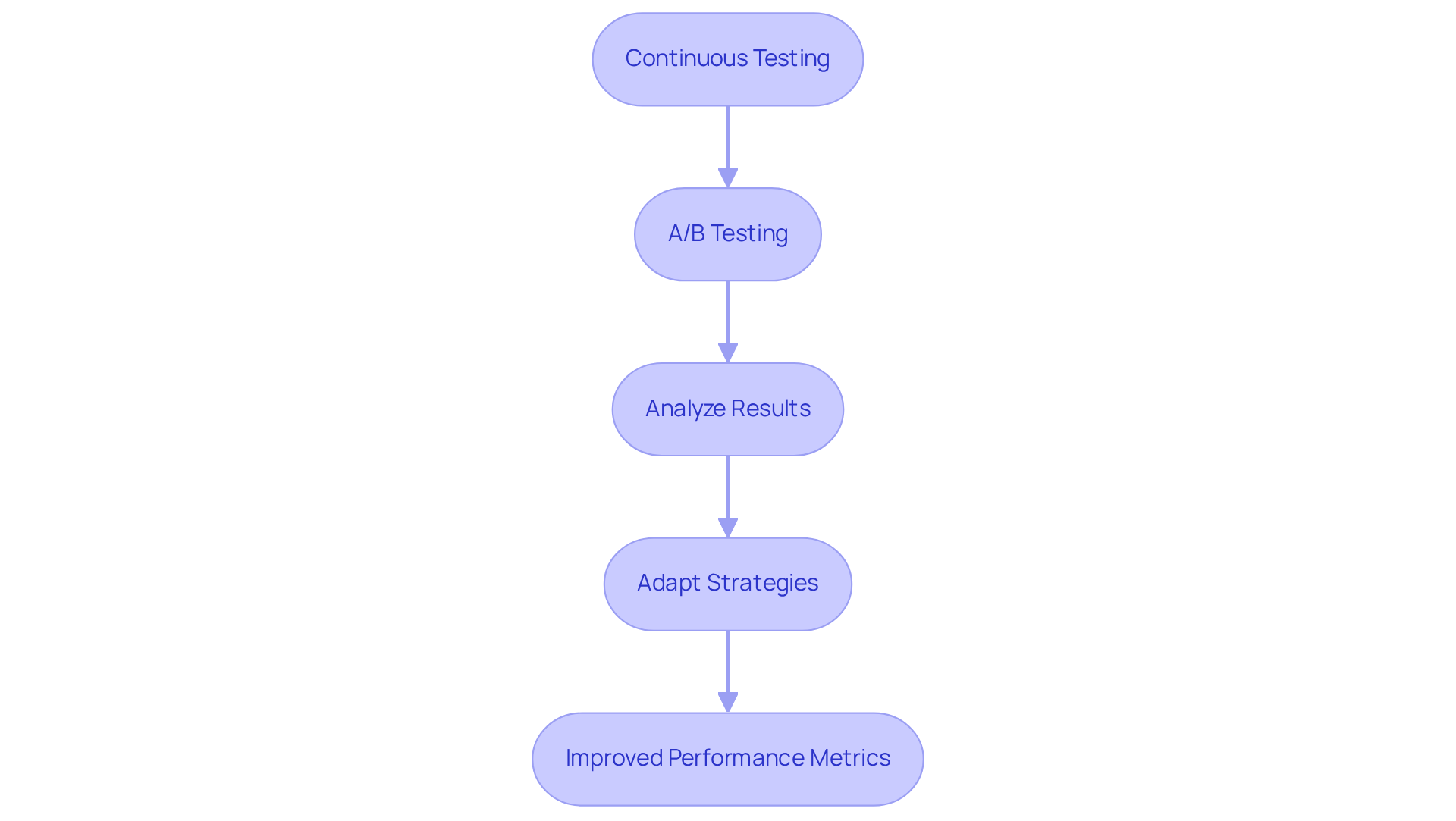
are crucial for adapting segmentation strategies to the dynamic landscape of consumer behavior. Did you know that companies employing can discover which with specific groups? For instance, startups that utilize A/B testing have been shown to launch 9 to 18 percent more products and achieve approximately 10 percent more weekly page views. Testing various ad creatives not only reveals which visuals or messages drive higher engagement within but also enhances the relevance of promotional efforts. This leads to , ensuring companies remain agile and responsive to their audiences' needs.
As we approach 2026, for companies. This makes a focus on essential for those leveraging to outpace rivals who rely solely on fixed strategies. Are you ready to embrace to elevate your marketing efforts?
The Future of Marketing Segmentation: Trends and Technologies Shaping Audience Targeting
The landscape of promotion segmentation is evolving at an unprecedented pace, fueled by advancements in AI and machine learning. These cutting-edge technologies empower brands to craft highly precise and adaptive audience segments through real-time data analysis. For instance, AI tools can dissect consumer behavior patterns to uncover micro-segments, paving the way for hyper-targeted that resonate with specific consumer needs. Notably, 41.81% of marketers have indicated that , highlighting its role in enhancing promotional efforts.
As consumer expectations shift, companies must embrace these innovations to elevate their and maintain relevance in an increasingly competitive landscape. As Pamela Lord aptly states, 'In 2026, means personalization becomes universal.' This integration will not only but also empower brands to anticipate , ensuring that marketing efforts are both timely and impactful.
In conclusion, the adoption of AI and machine learning is not just an option; it’s a necessity for brands aiming to thrive in the future. Are you ready to leverage these advancements to ?

Conclusion
The exploration of marketing segmentation underscores its vital role in enhancing brand engagement and driving conversions. By categorizing audiences based on demographics, psychographics, behaviors, and geographic factors, companies can craft tailored marketing strategies that resonate deeply with their target segments. This approach not only fosters authenticity through creator-led content but also ensures that brands remain relevant and impactful in an ever-evolving marketplace.
Key insights from the article reveal the necessity of leveraging data-driven strategies and continuous testing to refine marketing efforts. Understanding consumer lifestyles and adapting promotional tactics based on local preferences are just a few of the segmentation strategies discussed. These illustrate how businesses can enhance customer experiences and build lasting relationships. Furthermore, the integration of advanced technologies like AI empowers brands to anticipate consumer needs and personalize interactions, ultimately leading to higher engagement and loyalty.
As the marketing landscape evolves, embracing these segmentation strategies is not merely advantageous but essential for brands seeking to thrive. Companies must invest in understanding their audiences better, utilizing analytics, and fostering genuine connections through targeted campaigns. By doing so, they can boost engagement and secure a competitive edge in the marketplace, ensuring sustained growth and success.
Frequently Asked Questions
What is MediaNug's approach to marketing segmentation?
MediaNug leverages creator-led content to refine audience segmentation strategies by partnering with verified creators to craft authentic narratives that resonate with distinct public segments, enhancing engagement and conversion rates.
How do creator-led campaigns impact engagement and conversion rates?
Creator-led campaigns, particularly targeting platforms like TikTok and Snapchat, have demonstrated the ability to significantly increase engagement and double purchase intent among users, showcasing the effectiveness of influencer partnerships in targeted promotions.
What is demographic segmentation in marketing?
Demographic segmentation classifies audiences based on traits such as age, gender, and income, enabling companies to tailor their marketing strategies effectively to reach specific consumer groups.
How do luxury brands utilize demographic segmentation?
Luxury brands often target high-income individuals aged 30-50, crafting exclusive campaigns that capitalize on their purchasing power, while brands aimed at younger demographics create messages that resonate with their lifestyles and preferences.
What challenges do marketers face regarding demographic data?
A disparity exists where 44% of marketers understand customer purchasing behaviors, but only 39% have access to demographic data, highlighting challenges in effectively reaching target groups.
How does psychographic segmentation differ from demographic segmentation?
Psychographic segmentation classifies individuals based on their lifestyles, values, and interests, allowing companies to tailor messaging that aligns with consumers' principles, fostering deeper emotional connections and enhancing loyalty.
What are the benefits of values-driven marketing?
Organizations that prioritize values-driven marketing report up to 52% greater loyalty and engagement among customers, and 31% of consumers cite personalized shopping experiences as a key reason for their ongoing engagement with a brand.
How can companies enhance customer loyalty through marketing?
By aligning promotional strategies with the values and lifestyles of specific segments, companies can create emotional connections that attract and retain customers, ultimately driving higher engagement rates.
List of Sources
- MediaNug: Leveraging Creator-Led Content for Targeted Marketing Segmentation
- The Top Creator Marketing Stats you Need to Know (https://tribegroup.co/blog/top-creator-marketing-statistics)
- 5 Creator Marketing Trends Defining 2026, According To Experts (https://forbes.com/sites/katiesalcius/2026/01/15/2026-creator-marketing-trends-according-to-experts)
- How Influencer Marketing Is Changing in 2026 (https://vogue.com/article/how-influencer-marketing-is-changing-in-2026)
- togetheragency.co.uk (https://togetheragency.co.uk/news/influencer-marketing-trends-for-2026)
- Demographic Segmentation: Tailoring Strategies by Age, Gender, and Income
- The Top 44 Digital Marketing Statistics to Know for 2026 (https://forgeapollo.com/blog/digital-marketing-statistics)
- Social media demographics to inform your 2026 strategy (https://sproutsocial.com/insights/new-social-media-demographics)
- 2026 Marketing Statistics, Trends, & Data (https://hubspot.com/marketing-statistics)
- Target Market Analysis in 2026 (How to Identify Customers) (https://bigcommerce.com/articles/ecommerce/target-market-analysis)
- Psychographic Segmentation: Aligning Marketing with Consumer Lifestyles and Values
- brandminds.com (https://brandminds.com/20-valuable-marketing-quotes-and-insights-from-experts-1-of-2)
- Words of wisdom from the world's greatest branding experts (https://theceomagazine.com/business/marketing/best-branding-quotes)
- 100+ Customer Engagement Statistics (2026 Data & Trends) | involve.me (https://involve.me/blog/customer-engagement-statistics)
- linkedin.com (https://linkedin.com/business/marketing/blog/trends-tips/75-quotes-to-inspire-marketing-greatness)
- 2026 Marketing Statistics, Trends, & Data (https://hubspot.com/marketing-statistics)
- Behavioral Segmentation: Understanding Consumer Purchase Patterns and Interactions
- trustmary.com (https://trustmary.com/customer-loyalty/19-quotes-on-customer-loyalty-that-help)
- nector.io (https://nector.io/blog/retain-grow-repeat-customers)
- clevertap.com (https://clevertap.com/blog/customer-retention-quotes)
- Geographic Segmentation: Adapting Marketing Strategies to Local Preferences
- maxconnect.com (https://maxconnect.com/insights/famous-marketing-quotes-that-show-how-the-industry-has-evolved)
- leadg2.thecenterforsalesstrategy.com (https://leadg2.thecenterforsalesstrategy.com/blog/26-inspiring-marketing-quotes-to-motivate-your-strategy)
- 40 Marketing Quotes To Inspire You and Your Team (https://salesforce.com/blog/marketing-quotes)
- linkedin.com (https://linkedin.com/business/marketing/blog/trends-tips/75-quotes-to-inspire-marketing-greatness)
- 22 Best Marketing Quotes To Drive Your Marketing Strategy (https://forbes.com/sites/sap/2013/01/16/22-best-marketing-quotes-to-drive-your-marketing-strategy)
- Enhancing Customer Engagement: The Role of Market Segmentation in Personalization
- customerexperiencedive.com (https://customerexperiencedive.com/news/are-your-personalization-efforts-overwhelming-customers/805365)
- Customer journey personalization in 2026: What actually works (https://blog.hubspot.com/service/customer-journey-personalization-in-2026-what-actually-works)
- customviewbook.com (https://customviewbook.com/planning-for-2026-why-personalization-marketing-will-be-even-more-essential)
- Real time personalization in 2026: What’s working and what’s next (https://contentful.com/blog/real-time-personalization)
- 2026 Marketing Personalization Statistics & Trends for Growth | involve.me (https://involve.me/blog/marketing-personalization-statistics)
- Data-Driven Segmentation: Utilizing Analytics to Refine Marketing Strategies
- nisum.com (https://nisum.com/nisum-knows/must-read-inspirational-quotes-data-analytics-experts)
- almcorp.com (https://almcorp.com/blog/marketing-trends-2026-data-driven-insights-industry-leaders)
- 2026 Marketing Statistics, Trends, & Data (https://hubspot.com/marketing-statistics)
- Social Media Insights: Informing Segmentation Strategies for Targeted Marketing
- The State of Social Media Marketing 2026 Report | Emplifi (https://emplifi.io/resources/state-of-social-media-marketing-report-2026)
- socialmediatoday.com (https://socialmediatoday.com/news/social-media-trends-outlook-2026/810306)
- 6 Predictions That Will Shape Social Media Strategies In 2026 (https://forbes.com/councils/forbescommunicationscouncil/2026/01/02/the-next-social-wave-the-top-6-predictions-that-will-shape-social-media-strategies-in-2026)
- boardroompr.com (https://boardroompr.com/social-media/social-media-marketing-trends-to-watch-in-2026)
- Unpacking the marketing industry trends forecast for 2026 (https://marketingdive.com/news/marketing-trends-outlook-2026/810740)
- Continuous Testing and Optimization: Adapting Segmentation Strategies for Success
- dynamicyield.com (https://dynamicyield.com/article/15-quotes)
- library.hbs.edu (https://library.hbs.edu/working-knowledge/is-ab-testing-effective-evidence-from-35000-startups)
- fibr.ai (https://fibr.ai/ab-testing/a-b-testing-statistics)
- togetheragency.co.uk (https://togetheragency.co.uk/news/marketing-trends-for-2026)
- A/B Testing & CRO Stats Every Optimizer Should Know (https://convert.com/blog/a-b-testing/ab-testing-stats)
- The Future of Marketing Segmentation: Trends and Technologies Shaping Audience Targeting
- blog.hubspot.com (https://blog.hubspot.com/marketing/ai-predictions-marketing)
- zetaglobal.com (https://zetaglobal.com/resource-center/predictions-2026-ai-marketing)
- 2026 Marketing Statistics, Trends, & Data (https://hubspot.com/marketing-statistics)
- Marketing Statistics: 100+ Insights for 2026 (https://salesforce.com/marketing/marketing-statistics)
- martechseries.com (https://martechseries.com/mts-insights/guest-authors/five-trends-that-will-define-marketing-in-2026)