
Introduction
User-generated content (UGC) has emerged as a game-changer in the marketing landscape, captivating consumers with its authenticity and relatability. Brands that successfully harness this powerful tool not only enhance their credibility but also foster a vibrant community around their products. However, with the myriad of content types and collaboration strategies available, how can brands effectively create impactful user-generated videos that resonate with their audience? This article delves into three essential steps that will empower brands to leverage UGC, transforming casual consumer interactions into compelling marketing narratives that drive engagement and trust.
Understand User-Generated Content (UGC)
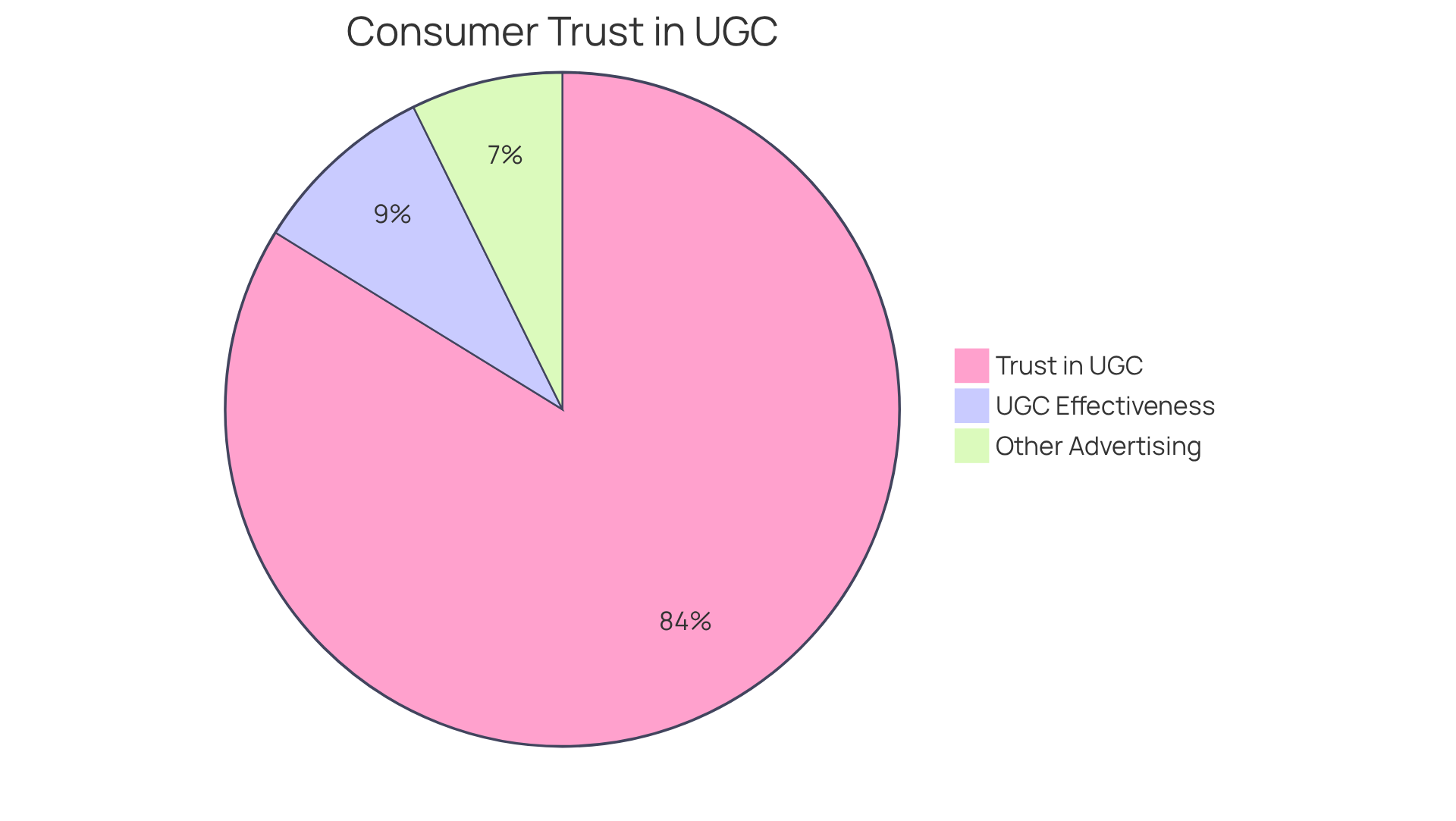
() encompasses any material created by consumers about a company or its products, including videos, reviews, testimonials, and social media posts. Its strength lies in delivering , which can significantly influence potential customers' purchasing decisions. Did you know that 92% of consumers have more confidence in than any other form of advertising? Moreover, , underscoring its effectiveness in .
Brands that embrace not only enhance their credibility but also cultivate a sense of community. Consumers are naturally drawn to content that feels genuine and relatable. Take, for example, Uniqlo's #LifeWear campaign, which has generated over 500,000 posts, showcasing a variety of consumer experiences. Furthermore, proves to be 9.8 times more effective than influencer materials, establishing it as a powerful asset for companies.
To fully harness the potential of , companies must recognize its diverse forms—ranging from organic posts to paid collaborations—and strategically integrate them into their . This approach can boost visibility, enhance SEO performance, and foster deeper connections with their audience. Additionally, acknowledging original creators when resharing is crucial; this practice not only boosts but also honors the contributions of creators.
In conclusion, that can transform how brands connect with their audience. Are you ready to tap into the ?
Explore Types of User-Generated Content
Brands can harness various types of to enhance their marketing efforts, especially on platforms like TikTok and Instagram. This strategy not only boosts engagement but also builds trust with potential customers. Here are some effective formats:
- : Short clips showcasing , , or creative challenges are highly effective. Companies like GoPro and Nike have successfully engaged users through challenges that encourage , promoting authentic creation that resonates with their audiences.
- Reviews and Testimonials: Written feedback from customers serves as powerful social proof. Sharing these on websites and social media builds credibility and influences potential buyers, as 98% of shoppers consult before making a purchase.
- : that mentions or tags the company, often accompanied by specific hashtags, significantly increases visibility. Campaigns like Coca-Cola's #ShareACoke and Starbucks' #RedCupContest exemplify how branded hashtags can encourage user participation and amplify reach.
- Images: Photos taken by customers using the product can be shared across social media platforms or incorporated into marketing materials. This visual content showcases , enhancing authenticity and relatability.
- : Extended-format pieces generated by users sharing their experiences with the company or product offer detailed insights and encourage community involvement. Brands like Airbnb leverage such narratives to inspire future travelers and build emotional connections.
By exploring these types of , companies can select the most impactful formats that resonate with their audience and align with their marketing objectives. This approach ultimately drives engagement and conversions, making a vital component of modern marketing strategies.

Source and Collaborate with Creators
To effectively source and collaborate with creators for , consider these essential steps:
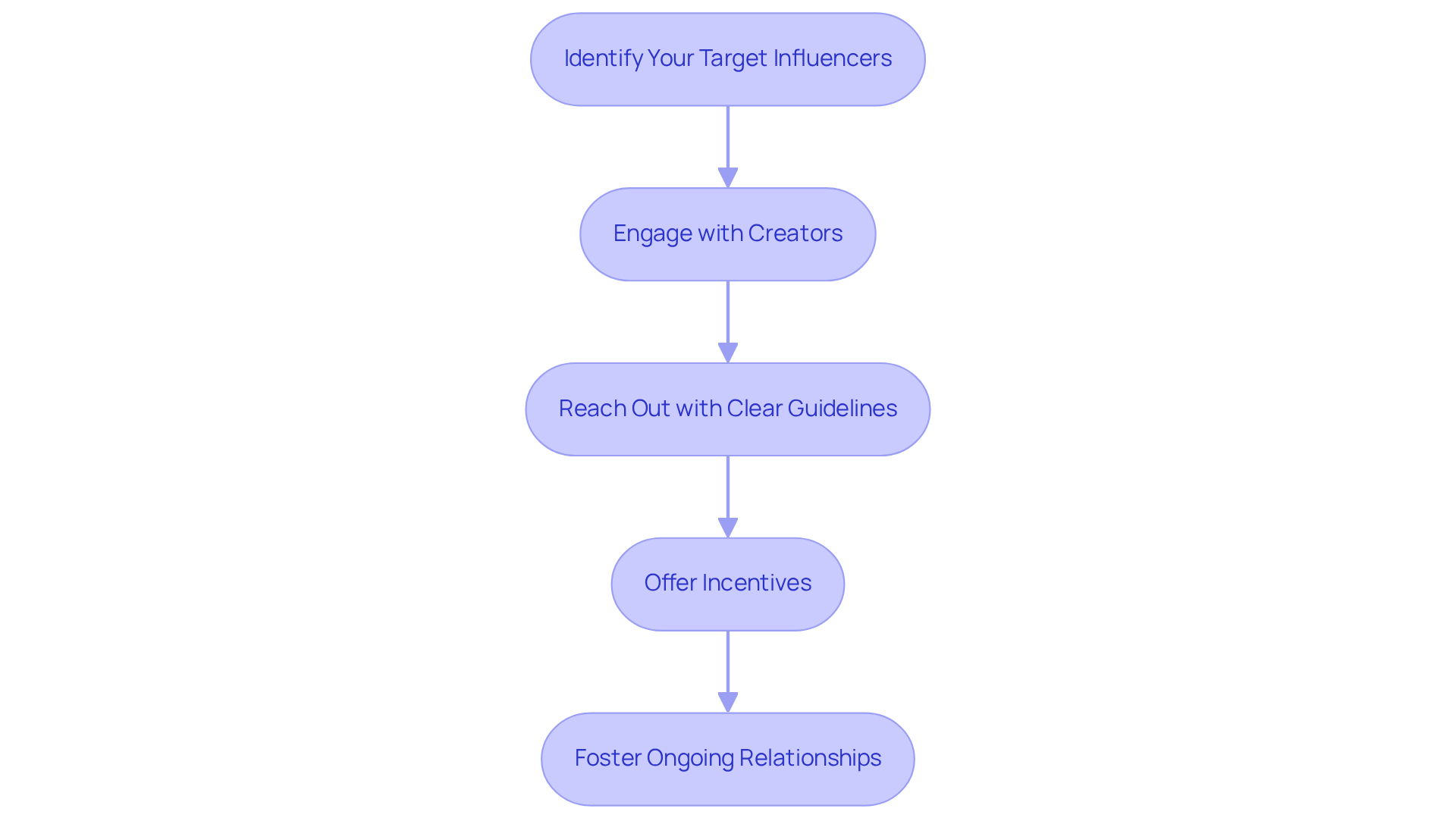
- : Seek out individuals who resonate with your brand values and have an audience that aligns with your target demographic. Utilize social media platforms, , and influencer databases to discover potential collaborators. Brands like Nike and Adidas have successfully involved influencers by motivating customers to share their experiences with their products, showcasing the power of .
- : Start by interacting with their content—like, comment, and share their posts. This approach builds rapport and demonstrates a genuine interest in their work, fostering a sense of community. Research indicates that 40 percent of consumers will examine at least four pieces of UGC before making a purchase, underscoring the importance of in shaping buying decisions.
- Reach Out with Clear Guidelines: When contacting creators, provide explicit instructions regarding the type of material you seek, including themes, messaging, and specific requirements. Encourage their imaginative contributions to ensure authenticity, as UGC is perceived as 240 percent more genuine than brand-generated material. This collaborative spirit can lead to more relatable and engaging content.
- Offer Incentives: Consider providing compensation, free products, or exposure on your brand’s channels to motivate contributors to participate. Brands that blend professional content with UGC have seen engagement rise by 28 percent, highlighting the effectiveness of incentivizing contributors.
- : After the initial collaboration, maintain relationships with creators for future campaigns. This ongoing involvement can yield more genuine and consistent UGC over time, as companies like Uniqlo have demonstrated with their #LifeWear campaign, which generated over 500K posts by encouraging user participation.
By implementing these strategies, brands can effectively harness the creativity of their audience, enhancing marketing efforts through that resonates with consumers.
Conclusion
Harnessing the power of user-generated content (UGC) is not just beneficial; it’s essential for brands looking to forge authentic connections with their audience. By embracing UGC, companies enhance their credibility and cultivate a vibrant community that values genuine interactions. The effectiveness of UGC is evident in its ability to inspire trust and influence purchasing decisions—its impact cannot be overstated.
This article outlines key strategies for leveraging UGC, including:
- Understanding its various forms
- Exploring impactful video formats
- Collaborating effectively with content creators
From engaging video challenges to sharing customer testimonials, each approach amplifies brand visibility and fosters deeper relationships with consumers. Furthermore, recognizing and nurturing relationships with creators ensures a continual flow of authentic content that resonates with audiences.
Ultimately, the significance of UGC transcends mere marketing tactics; it signifies a shift towards more meaningful consumer engagement. Brands are encouraged to embrace this trend and explore innovative ways to integrate UGC into their strategies. By doing so, they not only enhance their marketing efforts but also contribute to a culture of authenticity that consumers increasingly seek. The time to tap into the potential of user-generated content is now—this strategic move can redefine brand-consumer relationships for the better.
Frequently Asked Questions
What is User-Generated Content (UGC)?
User-Generated Content (UGC) refers to any material created by consumers about a company or its products, including videos, reviews, testimonials, and social media posts.
Why is UGC important for companies?
UGC is important because it delivers authentic social proof, significantly influencing potential customers' purchasing decisions. It helps build trust, as 92% of consumers have more confidence in UGC than other forms of advertising.
How does UGC impact consumer trust?
UGC enhances consumer trust, with 84% of consumers expressing greater trust in companies that leverage UGC, making it an effective tool for building credibility.
Can you provide an example of a successful UGC campaign?
An example is Uniqlo's #LifeWear campaign, which has generated over 500,000 posts showcasing various consumer experiences.
How effective is UGC compared to influencer materials?
UGC is 9.8 times more effective than influencer materials, establishing it as a powerful asset for companies.
What types of UGC should companies recognize?
Companies should recognize diverse forms of UGC, which range from organic posts to paid collaborations, and integrate them strategically into their marketing strategies.
What are the benefits of integrating UGC into marketing strategies?
Integrating UGC can boost visibility, enhance SEO performance, and foster deeper connections with the audience.
Why is it important to acknowledge original creators when resharing UGC?
Acknowledging original creators when resharing UGC boosts community engagement and honors the contributions of creators.
Is leveraging UGC just a trend or a strategic move?
Leveraging UGC is a strategic move that can transform how brands connect with their audience, rather than just being a trend.
List of Sources
- Understand User-Generated Content (UGC)
- social.plus (https://social.plus/blog/84-of-people-trust-brands-more-when-they-use-user-generated-content)
- UGC Is Redefining Social Media Marketing in 2025—Here’s How to Leverage It • The Shelf (https://theshelf.com/the-blog/ugc-is-redefining-social-media-marketing-in-2025-heres-how-to-leverage-it)
- Complete guide to user-generated content (UGC) in 2025 (https://blog.hootsuite.com/user-generated-content-ugc)
- The Impact of User-Generated Content on Customer-Centric Digital Marketing (https://thriveagency.com/news/the-impact-of-user-generated-content-on-customer-centric-digital-marketing)
- The impact of UGCs (User-Generated Content) on consumer trust - Eneon (https://eneon.group/the-impact-of-ugcs-user-generated-content-on-consumer-trust)
- Explore Types of User-Generated Content
- onstipe.com (https://onstipe.com/blog/5-best-user-generated-content-ugc-examples-2025-full-guide)
- smarketershub.com (https://smarketershub.com/blog/user-generated-content-key-to-brand-growth-in-2025)
- socialpilot.co (https://socialpilot.co/blog/user-generated-content-ugc)
- Complete guide to user-generated content (UGC) in 2025 (https://blog.hootsuite.com/user-generated-content-ugc)
- 12 Examples of User-Generated Content (UGC) That Work (https://go.photoshelter.com/ask-photoshelter/user-generated-content-examples)
- Source and Collaborate with Creators
- How & Where to Find the Best UGC Creators for Your Brand (https://motionapp.com/blog/find-ugc-creators)
- UGC Is Redefining Social Media Marketing in 2025—Here’s How to Leverage It • The Shelf (https://theshelf.com/the-blog/ugc-is-redefining-social-media-marketing-in-2025-heres-how-to-leverage-it)
- ugcfactory.io (https://ugcfactory.io/blog/brands-looking-for-ugc-creators-the-best-guide-to-authentic-content-2025)
- mightyscout.com (https://mightyscout.com/blog/working-with-ugc-creators-in-2025)
- digitaljournal.com (https://digitaljournal.com/pr/news/binary-news-network/inside-ugc-era-ugc-creators-1269553280.html)