
Introduction
In today's digital landscape, social media stands as a pivotal marketing frontier. For brands aiming to capture attention and drive engagement, mastering paid social advertising is not just beneficial - it's essential. This article explores five best practices that empower marketers to optimize their campaigns. From grasping the fundamentals of ad formats to crafting compelling content that resonates with specific audiences, we cover it all. Yet, amidst the myriad of strategies available, how can one ensure their efforts not only reach but also effectively engage the intended audience? Let's dive in.
Understand Paid Social Advertising Fundamentals
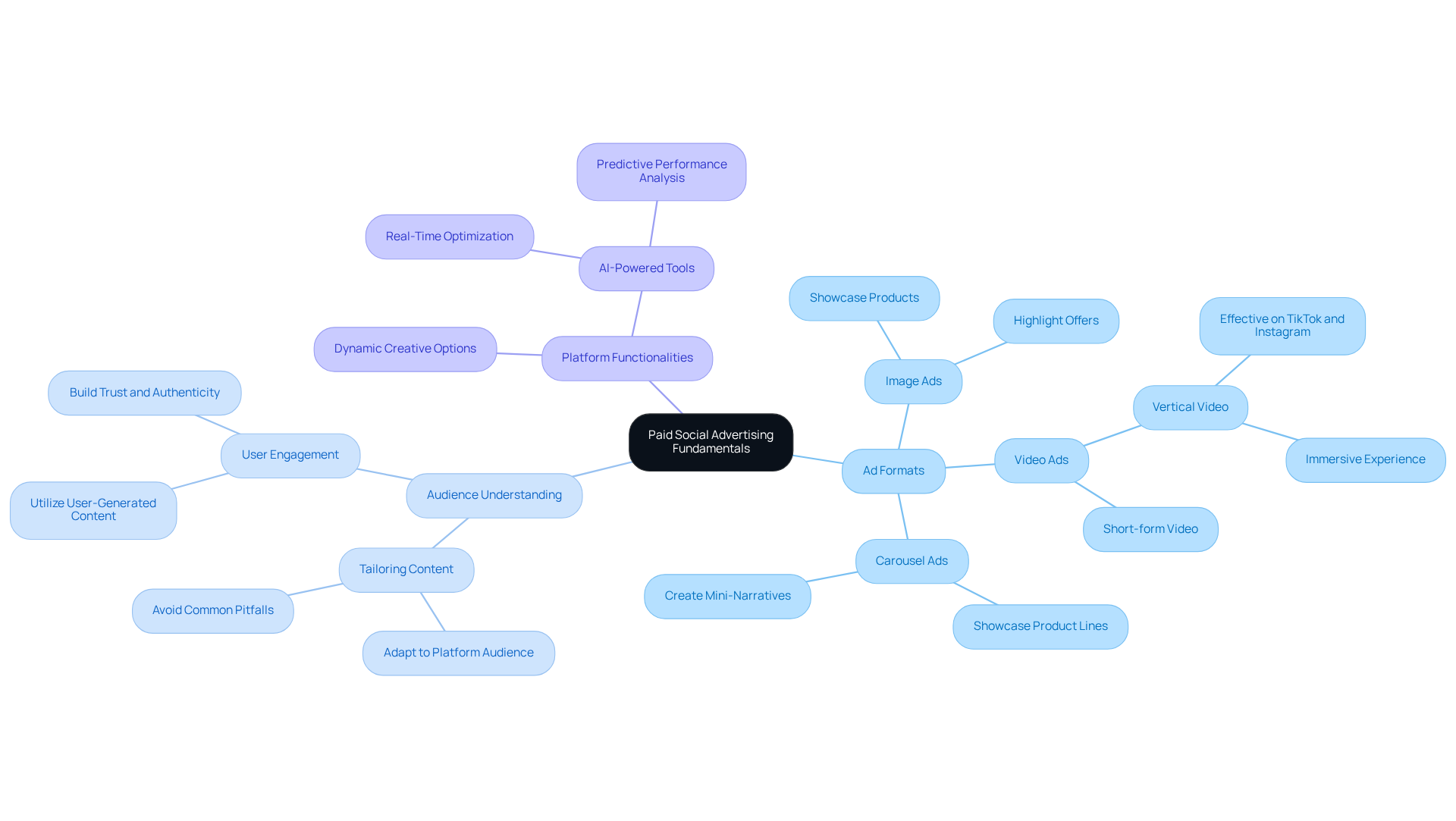
is a strategic investment in content promotion across social media channels, designed to effectively reach . - such as image, video, and carousel - is essential, as each serves distinct purposes and resonates differently with users. For example, have proven particularly effective on platforms like TikTok and Instagram, where a fosters immersive viewing experiences. As Abbey Mecca emphasizes, grasping your audience's needs is crucial for crafting successful initiatives, allowing marketers to align their strategies with platform functionalities and user behaviors.
often utilize the dynamic nature of vertical video to boost engagement rates and capture attention swiftly. Video advertisements not only provide an but are also supported by platforms like Instagram, TikTok, and YouTube, making them indispensable in modern marketing strategies. By tailoring content to the unique features of each medium, brands can elevate their advertising efforts and cultivate meaningful interactions with their target groups.
However, marketers must remain vigilant about common pitfalls, such as neglecting to adapt content for the specific audience of each platform. Failing to do so can result in missed opportunities for engagement. Are you ready to refine your approach and maximize your advertising impact?
Set Clear Goals and Objectives for Campaigns
To maximize the effectiveness of paid social, marketers must establish clear, for their initiatives. For example, consider an initiative aimed at:
- by 30% within three months
- through targeted advertisements
By utilizing the , goals become not only ambitious but also realistic and trackable. Furthermore, regularly reviewing these objectives allows for necessary adjustments based on performance data, ensuring campaigns remain aligned with overall business goals. Tools like play a crucial role in as needed.

Identify and Target Your Ideal Audience
Effective is crucial for any marketing strategy, and it all begins with thorough research to create . Marketers must analyze demographics, interests, and online behaviors to pinpoint segments that align with their products or services. For instance, utilizing tools like Facebook Ads Manager for enables precise targeting based on user data, including location, age, and interests. With , utilizing on this platform is essential for effective public engagement.
Furthermore, employing can significantly broaden your reach by targeting individuals who resemble your current clients. This strategic approach not only enhances engagement but also increases the likelihood of conversions, ultimately leading to a higher . As marketing strategist Meghan Hardy aptly states, "First, you need to learn about your new target market." Successful brands have demonstrated that understanding leads to more , particularly in campaigns that resonate with specific subcultures or interests.
By developing , professionals can . This ensures that every advertising dollar is utilized effectively, maximizing impact and results. Are you ready to refine your marketing strategy and engage more effectively with your audience?

Create Compelling and Engaging Ad Content
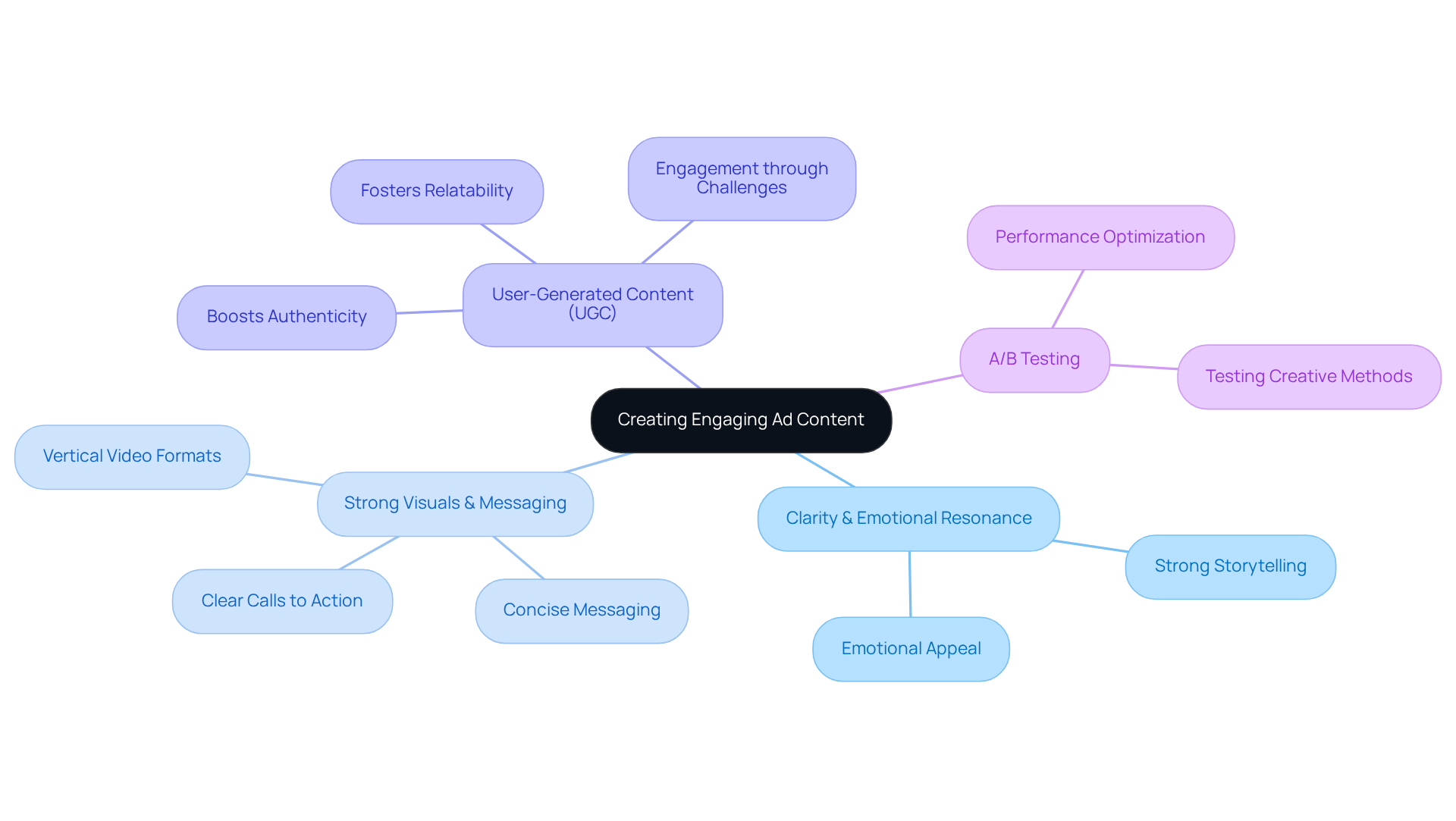
Creating is essential for marketers aiming to capture their audience's attention. To achieve this, focus on clarity and emotional resonance. Strong visuals, concise messaging, and clear are crucial elements. For example, utilizing can significantly enhance attention capture on mobile devices.
Furthermore, incorporating not only boosts authenticity but also fosters relatability, making ads more appealing to potential customers. This strategy can create a , driving interest and desire for the product or service.
In addition, testing various through is vital. This process helps determine which elements yield the best performance, enabling ongoing optimization of advertisements. By continuously refining your approach, you can ensure that your ads resonate effectively with your target audience.
Analyze Performance and Optimize Campaigns
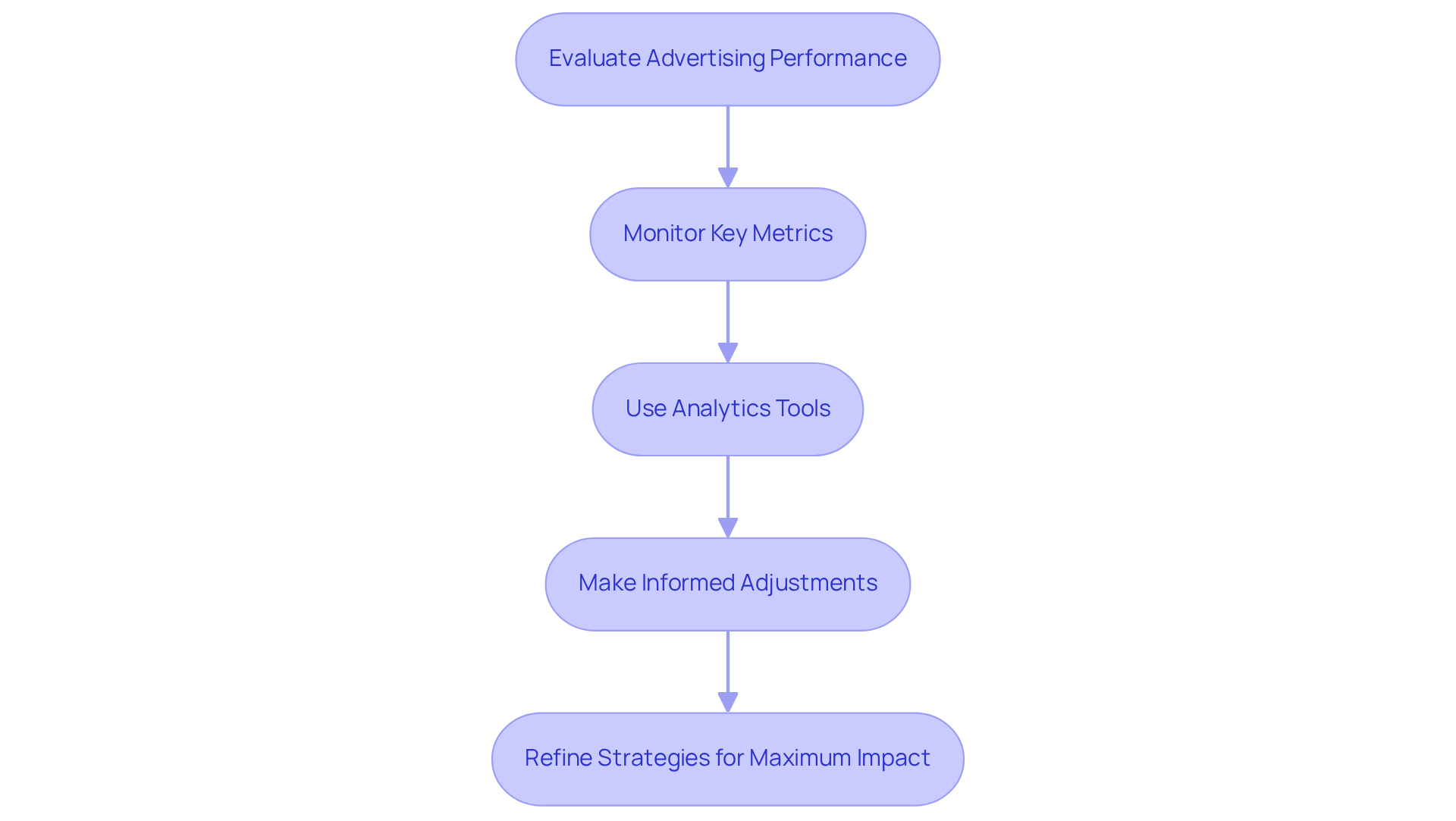
Regular evaluation of advertising performance is essential for enhancing paid social efforts in promotions. Marketers must monitor key metrics such as , , and to assess effectiveness. Tools like and platform-specific insights provide valuable data on and behavior, enabling marketers to make informed adjustments to targeting, creative, and budget allocation.
For instance, a well-optimized initiative can see improve significantly when adjustments are made based on real-time data. Ongoing optimization not only enhances performance but also boosts overall . As industry experts emphasize, focusing on CTR and ROAS is crucial; a high CTR indicates effective ad engagement, while a strong ROAS reflects the revenue generated for every dollar spent on advertising.
Furthermore, the 80/20 rule suggests that 20% of campaigns drive 80% of results, underscoring the need for regular analysis to identify and double down on . By leveraging these insights, marketers can refine their strategies and maximize the impact of their advertising efforts. Are you ready to take your advertising to the next level?
Conclusion
Paid social advertising stands as a formidable tool for brands aiming to engage effectively with their target audiences. By mastering the fundamentals of this strategy, marketers can leverage diverse ad formats, set clear objectives, and craft compelling content that truly resonates with users. Understanding audience needs and tailoring campaigns to specific platforms is essential for maximizing engagement and driving impactful results.
Key practices highlighted throughout this article include:
- The necessity of setting measurable goals using the SMART framework
- Identifying ideal audiences through comprehensive research
- Creating engaging ad content that captures attention
Furthermore, regular performance analysis and campaign optimization empower marketers to refine their strategies and enhance overall effectiveness. Each of these elements plays a vital role in developing successful paid social advertising campaigns that deliver significant returns on investment.
To excel in paid social advertising, marketers must adopt a proactive approach. By continuously learning and adapting to the ever-evolving landscape of social media, they can harness the full potential of their advertising efforts. Embracing these best practices not only boosts engagement and conversions but also solidifies a brand's presence in a competitive digital marketplace. Are you prepared to implement these strategies and elevate your paid social advertising game?
Frequently Asked Questions
What is paid social advertising?
Paid social advertising is a strategic investment in promoting content across social media channels to effectively reach targeted audiences.
What are the different ad formats used in paid social advertising?
The different ad formats include image, video, and carousel advertisements, each serving distinct purposes and resonating differently with users.
Why are vertical video advertisements effective?
Vertical video advertisements are particularly effective on platforms like TikTok and Instagram, where a mobile-first design fosters immersive viewing experiences.
What is the importance of understanding the audience in paid social advertising?
Grasping the audience's needs is crucial for crafting successful initiatives, allowing marketers to align their strategies with platform functionalities and user behaviors.
How do successful paid social campaigns utilize video advertisements?
Successful campaigns leverage the dynamic nature of vertical video to boost engagement rates and capture attention swiftly, providing an immersive experience supported by platforms like Instagram, TikTok, and YouTube.
What are common pitfalls in paid social advertising?
Common pitfalls include neglecting to adapt content for the specific audience of each platform, which can result in missed opportunities for engagement.
What should marketers do to maximize the effectiveness of their paid social campaigns?
Marketers should establish clear, measurable objectives using the SMART framework, regularly review these objectives, and utilize tools like Google Analytics to track progress and refine strategies.
Can you give examples of measurable objectives for paid social campaigns?
Examples include boosting brand recognition by 30% within three months or generating 500 leads through targeted advertisements.
List of Sources
- Understand Paid Social Advertising Fundamentals
- impressiondigital.com (https://impressiondigital.com/blog/whats-new-in-paid-media-july-2025-industry-updates)
- strikesocial.com (https://strikesocial.com/blog/7-social-media-advertising-trends-you-should-know-in-2025)
- abbeymecca.com (https://abbeymecca.com/unlocking-the-power-of-social-media-ads)
- channable.com (https://channable.com/blog/social-media-advertising)
- prnewswire.com (https://prnewswire.com/resources/articles/paid-media-strategy-2025)
- Set Clear Goals and Objectives for Campaigns
- ama.org (https://ama.org/marketing-news/the-ultimate-guide-to-advertising-types-strategies-and-best-practices-for-2025)
- How to Set SMART Goals for Marketing (https://wrike.com/goal-setting-guide/faq/how-to-set-smart-goals-for-marketing)
- ever-wonder.com (https://ever-wonder.com/muse/smart-marketing-goals)
- sproutmedialab.com (https://sproutmedialab.com/how-to-set-and-measure-digital-marketing-goals-in-2025)
- evocalize.com (https://evocalize.com/blog/setting-objectives-for-paid-campaigns)
- Identify and Target Your Ideal Audience
- ignitesocialmedia.com (https://ignitesocialmedia.com/content-creation/4-best-practices-for-tapping-into-new-social-audiences)
- thebrief.ai (https://thebrief.ai/blog/social-media-ads-targeting)
- sproutsocial.com (https://sproutsocial.com/insights/social-media-target-audience)
- The Ultimate Guide to Audience Targeting for Advertising | Criteo | Criteo (https://criteo.com/ultimate-guide-to-audience-targeting-for-advertising)
- newtarget.com (https://newtarget.com/web-insights-blog/social-media-advertising)
- Create Compelling and Engaging Ad Content
- strikesocial.com (https://strikesocial.com/blog/7-social-media-advertising-trends-you-should-know-in-2025)
- UGC Content 101: A Comprehensive Introduction (https://ama.org/marketing-news/user-generated-content)
- forbes.com (https://forbes.com/councils/forbesbusinesscouncil/2024/07/29/the-power-of-ugc-user-generated-content)
- The Impact of User-Generated Content on Customer-Centric Digital Marketing (https://thriveagency.com/news/the-impact-of-user-generated-content-on-customer-centric-digital-marketing)
- professional.dce.harvard.edu (https://professional.dce.harvard.edu/blog/ai-will-shape-the-future-of-marketing)
- Analyze Performance and Optimize Campaigns
- usermaven.com (https://usermaven.com/blog/paid-ads-analytics)
- agencyanalytics.com (https://agencyanalytics.com/blog/roi-tracking)
- vistasocial.com (https://vistasocial.com/insights/paid-performance-report)
- How to analyze your paid ad performance across multiple channels (https://supermetrics.com/blog/analyzing-paid-ad-performance)