
Introduction
User-Generated Content (UGC) has emerged as a powerful force in the marketing landscape, fundamentally changing how brands connect with their audiences. In a world where consumers increasingly crave authenticity and relatability, UGC presents a compelling opportunity for companies to engage potential buyers through genuine endorsements. However, this vast potential comes with its own set of challenges: how can brands effectively build and manage a UGC network that not only enhances credibility but also drives engagement and conversions?
Navigating this intricate landscape requires strategic insight. Brands must cultivate a thriving UGC network that resonates with consumers and elevates their marketing efforts. This guide delves into essential strategies and best practices that can help brands harness the full power of user-generated content, ensuring they stay ahead in a competitive market.
Define User-Generated Content (UGC)
The consists of any material created by consumers or users of a company, rather than the company itself. This encompasses a variety of formats, including:
- Images
- Videos
- Reviews
- Testimonials
- posts
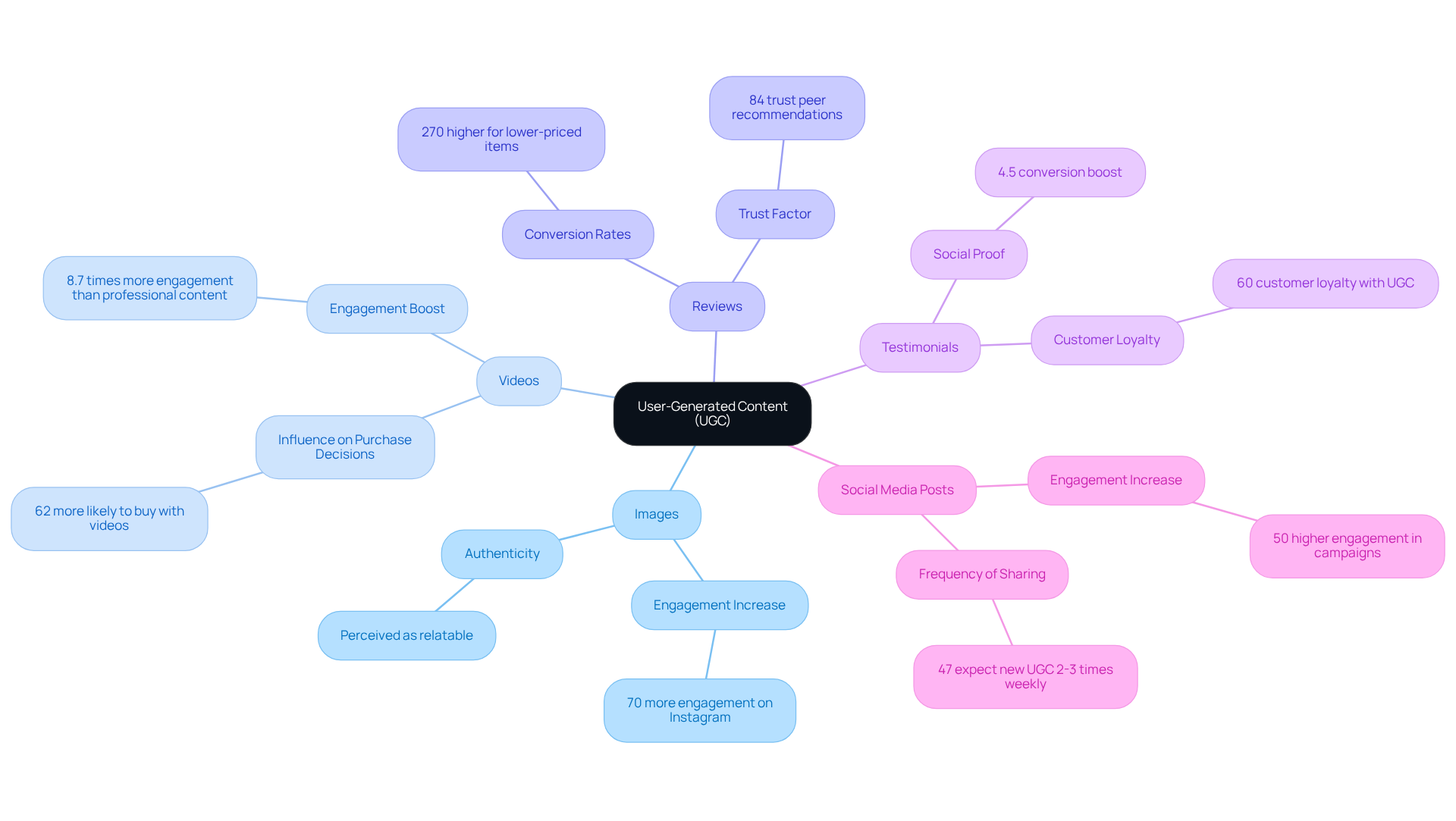
The is predominantly shared on platforms, where it significantly enhances a company's authenticity and fosters engagement. In fact, campaigns featuring , with Instagram posts seeing 70% more interaction when UGC is included. This type of content resonates more deeply with audiences and drives conversion rates, as studies indicate that when potential buyers observe real customers using a product.
Moreover, 81% of e-commerce marketers consider UGC to be more impactful than professional photos, underscoring its effectiveness in driving conversions. As companies strategize for 2025, the importance of the in promotional efforts cannot be overstated; 86% of organizations report that incorporating the . However, businesses must also navigate challenges such as quality control and moderation issues when utilizing UGC. By distinguishing between influencer promotion and the , companies can better leverage the 's potential to engage their audience and build community trust.
Furthermore, is essential for maintaining goodwill and avoiding copyright complications. Ultimately, leveraging UGC enables brands to , fostering stronger customer loyalty and engagement.
Explore Types of User-Generated Content
Brands can harness the power of the to elevate their marketing strategies in 2025. Did you know that ? This statistic underscores the value of shared by users on platforms like Instagram, Facebook, and TikTok. These genuine endorsements can significantly influence purchasing decisions.
Moreover, reviews and testimonials play a pivotal role in shaping how companies are perceived. Research shows that . This highlights the necessity of showcasing positive to build credibility.
Visual content, such as , is particularly impactful. Brands that feature customer photos on their websites can experience a . Additionally, 73% of buyers are influenced by customer-generated visuals, demonstrating the effectiveness of the in driving conversions.
Blog posts authored by users that mention or review a brand can further enhance credibility and reach. These articles often provide in-depth insights and personal experiences, making them a valuable addition to a brand's marketing strategy.
Engaging users through contests and challenges can also stimulate content creation and interaction. Campaigns like Coca-Cola's 'Share a Coke' and Doritos' #CrashtheSuperBowl not only generate excitement but also produce a wealth of UGC that can be repurposed across various marketing channels.
By understanding and effectively utilizing the , companies can tailor their strategies to resonate with their audience, ultimately driving engagement and conversions. As businesses gather more , the importance of moderation becomes crucial to ensure that the content aligns with company standards and maintains authenticity. Furthermore, leveraging UGC can naturally expand a company's reach, as user-shared content is viewed by their networks, potentially exposing the brand to a broader audience.
Understand the Importance of UGC in Marketing
(UGC) is crucial in modern marketing strategies for several compelling reasons:
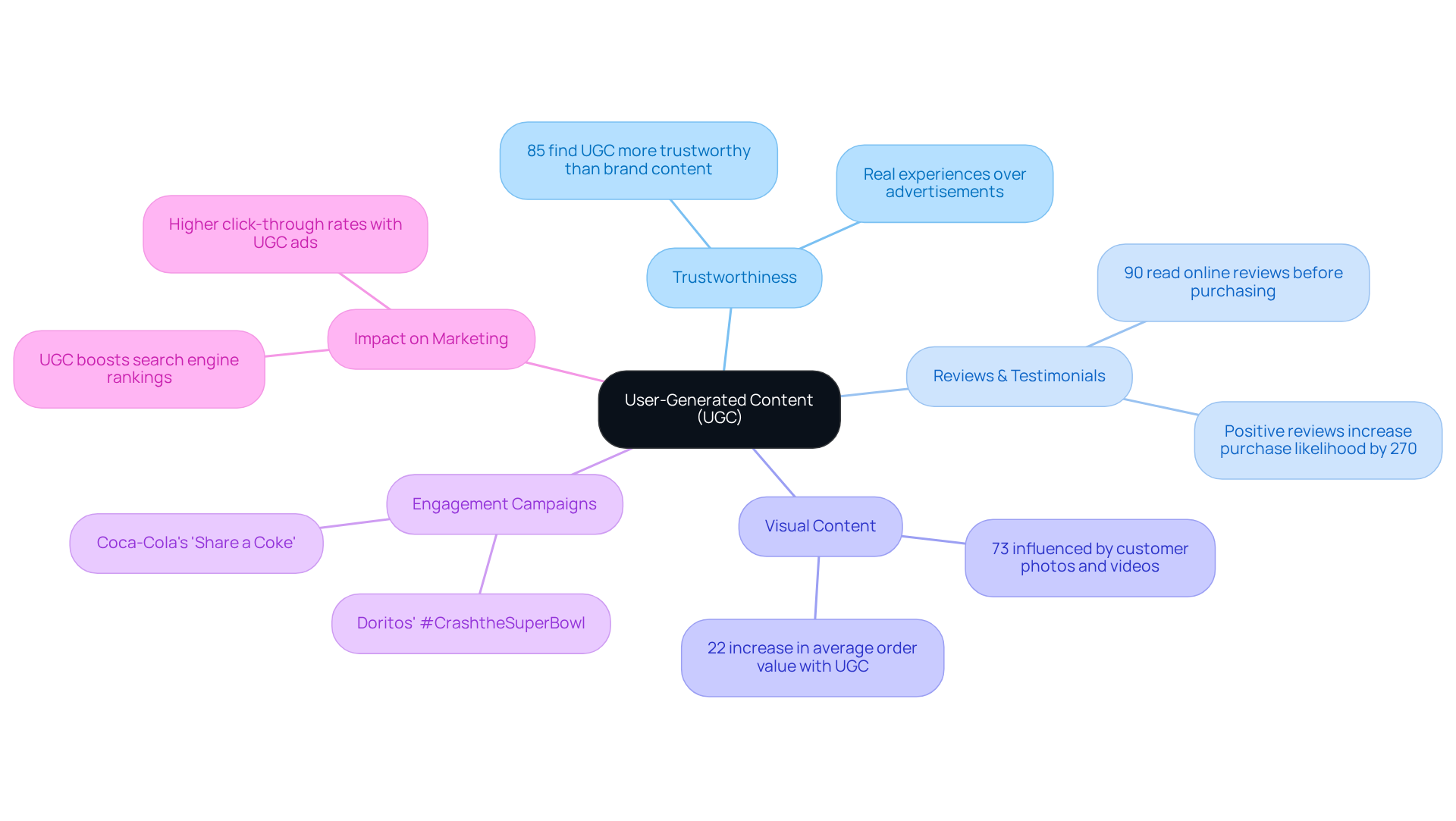
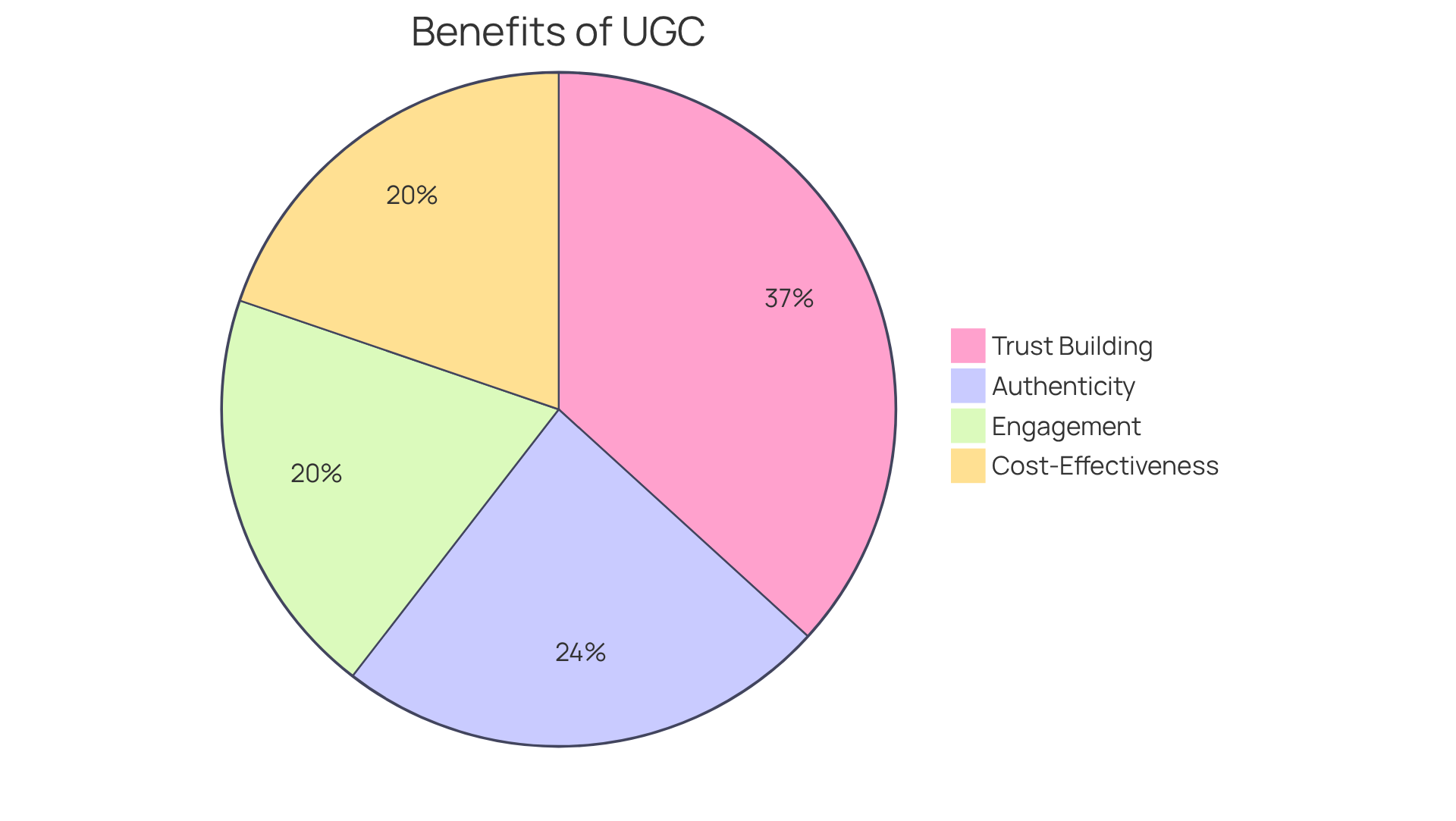
- Authenticity: UGC is perceived as more genuine than traditional advertising, reflecting real customer experiences. Did you know that about ? Moreover, 75% of marketers assert that the , fostering loyalty among customers.
- Trust Building: Content created by peers significantly boosts . Research shows that , and 82% are more likely to buy from companies that incorporate UGC in their marketing efforts. As trust in traditional advertising continues to wane, the UGC network emerges as a powerful tool to engage audiences, build credibility, and drive conversions.
- Engagement: UGC not only encourages interaction between brands and consumers but also nurtures a sense of community. Campaigns featuring UGC can generate that are 50% higher than those without it. For instance, Instagram posts that include UGC see 70% more engagement, highlighting its effectiveness in capturing attention.
- Cost-Effectiveness: Leveraging for promotional campaigns. UGC-powered advertisements achieve four times greater click-through rates and a 50% reduction in compared to traditional ads, showcasing the financial benefits of UGC in marketing strategies.
By effectively integrating the UGC network into their marketing approaches, companies can enhance their credibility and forge deeper connections with their audiences, ultimately driving higher engagement and conversion rates. However, brands must navigate the challenges of ensuring the quality of , as submissions can vary widely in quality and alignment with brand values.
Build and Manage Your UGC Network
To build and manage a successful , consider these essential strategies:
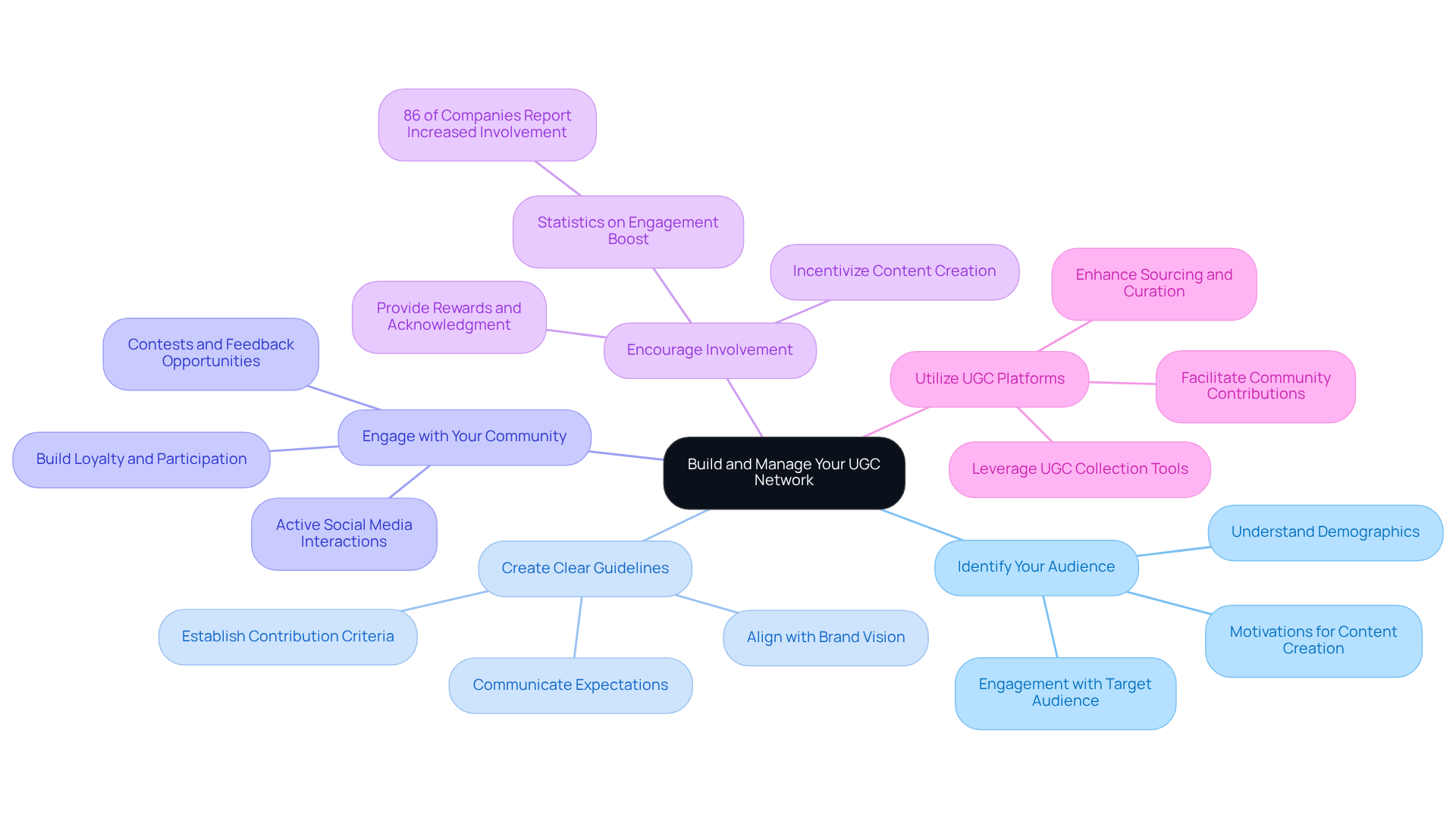
- Identify Your Audience: Who are you trying to reach? Understanding your and motivations for producing material is crucial. Engaging with the right audience leads to a more authentic and relatable UGC experience.
- : What do you want from your contributors? Establish specific criteria that outline your expectations. Clear communication helps users understand how to contribute effectively, ensuring that submissions align with your brand's vision.
- : How can you foster relationships? Build connections with your audience through active social media interactions, contests, and feedback opportunities. Engaging with users not only builds loyalty but also encourages ongoing participation.
- Encourage Involvement: What motivates your users? Provide rewards, acknowledgment, or features to inspire users to produce and share material. Incentives can significantly boost engagement; in fact, 86% of companies utilizing report increased community involvement.
- : Are you leveraging the right tools? Use platforms designed for . These tools enhance the sourcing and curation process, facilitating the collection of valuable materials from your community.
By applying these strategies, companies can effectively cultivate a robust that consistently delivers authentic and . This approach not only boosts trust but also drives conversions, making it a vital component of your marketing strategy.
Implement Best Practices for UGC Success
To ensure the success of your , consider these :
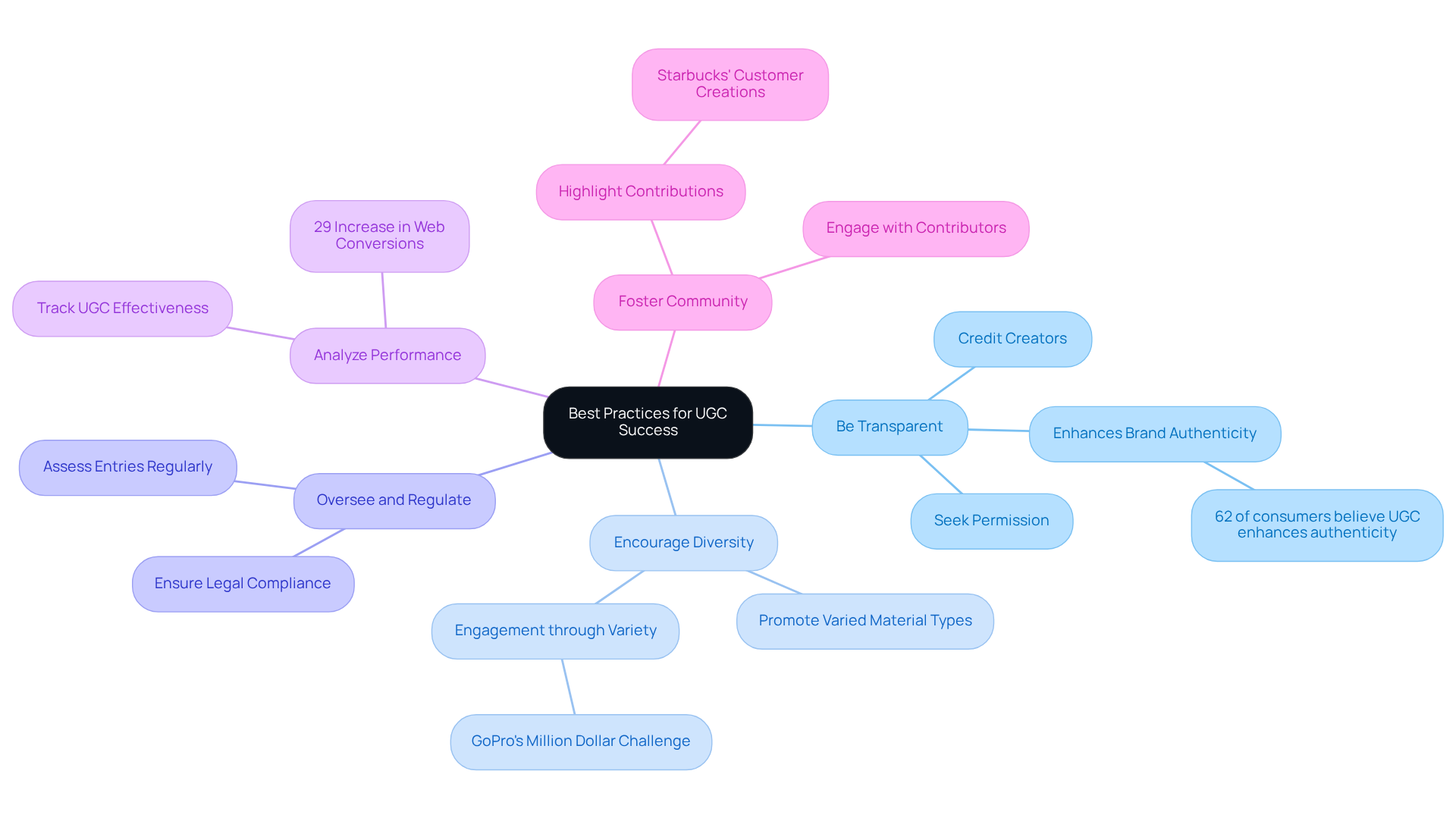
- Be Transparent: Always seek permission before using and give credit to the creators. and encourages more users to share their experiences. In fact, 62% of consumers believe that UGC enhances brand authenticity. Furthermore, 93% of marketers indicated that , emphasizing their effectiveness in marketing strategies.
- Encourage Diversity: Promote a variety of material types to keep your audience engaged and showcase different viewpoints. Engaging UGC can expand your reach, as users are more likely to share varied material within their networks. Companies like GoPro, through initiatives such as the Million Dollar Challenge, successfully promote , enhancing loyalty and engagement.
- Oversee and Regulate: Frequently assess entries to uphold standards and ensure that materials align with your values. This practice not only protects your brand image but also . Ensuring legal compliance when utilizing UGC is essential to prevent potential problems and uphold positive relationships with creators.
- Analyze Performance: Utilize analytics to track the effectiveness of UGC in your campaigns. Brands that can see a 29% increase in web conversions, allowing them to adjust strategies based on what resonates most with their audience. This data-focused method can lead to more successful promotional outcomes.
- : Create a sense of belonging among your contributors by engaging with them and highlighting their contributions. Brands like Starbucks exemplify this by featuring customer creations, which boosts visibility and strengthens emotional connections. IKEA also effectively uses UGC to demonstrate product usage, fostering community and trust through authentic user experiences.
By adhering to these , brands can cultivate a thriving UGC network that enhances their marketing efforts and fosters lasting relationships with their audience. Moreover, UGC campaigns can be more cost-effective than content produced in-house or through professional agencies, making them an attractive option for budget-conscious marketers.
Conclusion
Building a robust User-Generated Content (UGC) network is essential for brands looking to enhance their marketing strategies and foster deeper connections with their audience. By leveraging the authentic voices of consumers, brands can create a more relatable and trustworthy image that resonates with potential customers. The emphasis on UGC not only drives engagement but also significantly boosts conversion rates, as real customer experiences are far more impactful than traditional advertising methods.
The myriad benefits of UGC are clear: its authenticity, trust-building capabilities, and cost-effectiveness stand out. Key strategies for developing a successful UGC network include:
- Understanding the target audience
- Establishing clear guidelines
- Actively engaging with the community
Furthermore, best practices such as:
- Transparency
- Diversity in content
- Performance analysis
are crucial for maintaining the integrity and effectiveness of UGC campaigns.
Ultimately, embracing user-generated content is not just a trend; it’s a powerful marketing approach that can transform brand perception and drive sales. Brands are encouraged to prioritize UGC initiatives, fostering a sense of community and encouraging genuine interactions. By doing so, they can unlock the full potential of consumer creativity and advocacy, paving the way for sustained growth and loyalty in an increasingly competitive landscape.
Frequently Asked Questions
What is User-Generated Content (UGC)?
User-Generated Content (UGC) consists of material created by consumers or users of a company, rather than the company itself. This includes images, videos, reviews, testimonials, and social media posts.
How does UGC impact a company's engagement and conversion rates?
UGC significantly enhances a company's authenticity and fosters engagement, leading to a 50% increase in engagement for campaigns featuring UGC. Additionally, UGC can boost conversion rates by up to 4.5% when potential buyers see real customers using a product.
What is the perception of UGC compared to professional content?
81% of e-commerce marketers consider UGC to be more impactful than professional photos, indicating its effectiveness in driving conversions and influencing consumer trust.
What challenges do businesses face when using UGC?
Businesses must navigate challenges such as quality control and moderation issues when utilizing UGC to ensure that the content aligns with company standards and maintains authenticity.
Why is it important to obtain permission before reposting UGC?
Obtaining permission before reposting UGC is essential for maintaining goodwill with users and avoiding copyright complications.
What types of UGC are most effective for brands?
Effective types of UGC include social media posts, reviews, testimonials, customer photos, and blog posts authored by users. These forms of content are particularly impactful in influencing purchasing decisions and enhancing brand credibility.
How do contests and challenges relate to UGC?
Engaging users through contests and challenges can stimulate content creation and interaction, generating excitement and producing a wealth of UGC that can be repurposed across various marketing channels.
What benefits does UGC provide for a brand's marketing strategy?
Leveraging UGC enables brands to cultivate a more relatable image, foster stronger customer loyalty, enhance credibility, and expand their reach by exposing the brand to broader audiences through user-shared content.
List of Sources
- Define User-Generated Content (UGC)
- UGC Is Redefining Social Media Marketing in 2025—Here’s How to Leverage It • The Shelf (https://theshelf.com/the-blog/ugc-is-redefining-social-media-marketing-in-2025-heres-how-to-leverage-it)
- news-journalonline.com (https://news-journalonline.com/press-release/story/11011/storypop-ugc-agency-expands-its-role-in-user-generated-content-for-global-brands)
- kristian-larsen.com (https://kristian-larsen.com/info/ugc-statistics)
- Complete guide to user-generated content (UGC) in 2025 (https://blog.hootsuite.com/user-generated-content-ugc)
- inbeat.agency (https://inbeat.agency/blog/ugc-statistics)
- Explore Types of User-Generated Content
- 36 User-Generated Content Statistics That You Can’t Ignore | EveryoneSocial (https://everyonesocial.com/blog/user-generated-content-statistics)
- Complete guide to user-generated content (UGC) in 2025 (https://blog.hootsuite.com/user-generated-content-ugc)
- 17 New User-Generated Content Statistics for Marketers (Updated) (https://brands.joinstatus.com/user-generated-content-statistics)
- 12 Examples of User-Generated Content (UGC) That Work (https://go.photoshelter.com/ask-photoshelter/user-generated-content-examples)
- inbeat.agency (https://inbeat.agency/blog/ugc-statistics)
- Understand the Importance of UGC in Marketing
- UGC Is Redefining Social Media Marketing in 2025—Here’s How to Leverage It • The Shelf (https://theshelf.com/the-blog/ugc-is-redefining-social-media-marketing-in-2025-heres-how-to-leverage-it)
- amraandelma.com (https://amraandelma.com/user-generated-content-statistics)
- User-Generated Content: UGC Types, Benefits & Best Practices (https://business.com/articles/user-generated-content)
- 24 Key User-Generated Content (UGC) Statistics for 2026 (https://backlinko.com/ugc-statistics)
- Key Social Media Marketing Statistics for 2025 | Sprinklr (https://sprinklr.com/blog/social-media-marketing-statistics)
- Build and Manage Your UGC Network
- UGC Is Redefining Social Media Marketing in 2025—Here’s How to Leverage It • The Shelf (https://theshelf.com/the-blog/ugc-is-redefining-social-media-marketing-in-2025-heres-how-to-leverage-it)
- Complete guide to user-generated content (UGC) in 2025 (https://blog.hootsuite.com/user-generated-content-ugc)
- forbes.com (https://forbes.com/sites/renaegregoire/2025/09/18/how-to-build-a-ugc-marketing-machine-that-actually-drives-sales)
- inbeat.agency (https://inbeat.agency/blog/ugc-statistics)
- digitaljournal.com (https://digitaljournal.com/pr/news/binary-news-network/inside-ugc-era-ugc-creators-1269553280.html)
- Implement Best Practices for UGC Success
- UGC Best Practices, Expert Tips & Trends to Grow in 2026 (https://embedsocial.com/blog/ugc-best-practices-and-future-trends)
- designity.com (https://designity.com/blog/the-best-practices-for-user-generated-content-campaigns)
- The Impact of User-Generated Content on Customer-Centric Digital Marketing (https://thriveagency.com/news/the-impact-of-user-generated-content-on-customer-centric-digital-marketing)
- User-Generated Content: UGC Types, Benefits & Best Practices (https://business.com/articles/user-generated-content)
- inbeat.agency (https://inbeat.agency/blog/ugc-statistics)