
Introduction
In today's fiercely competitive digital landscape, the demand for effective content creation platforms has never been more urgent. These platforms not only streamline the production and management of diverse content types but also foster collaboration and enable data-driven decision-making.
With so many options available, how can businesses identify the right platform that aligns with their unique goals and capabilities? This article explores the essential features, advantages, and disadvantages of leading content creation platforms, while providing strategic tips for making an informed choice that can significantly enhance any brand's content strategy.
Understanding Content Creation Platforms
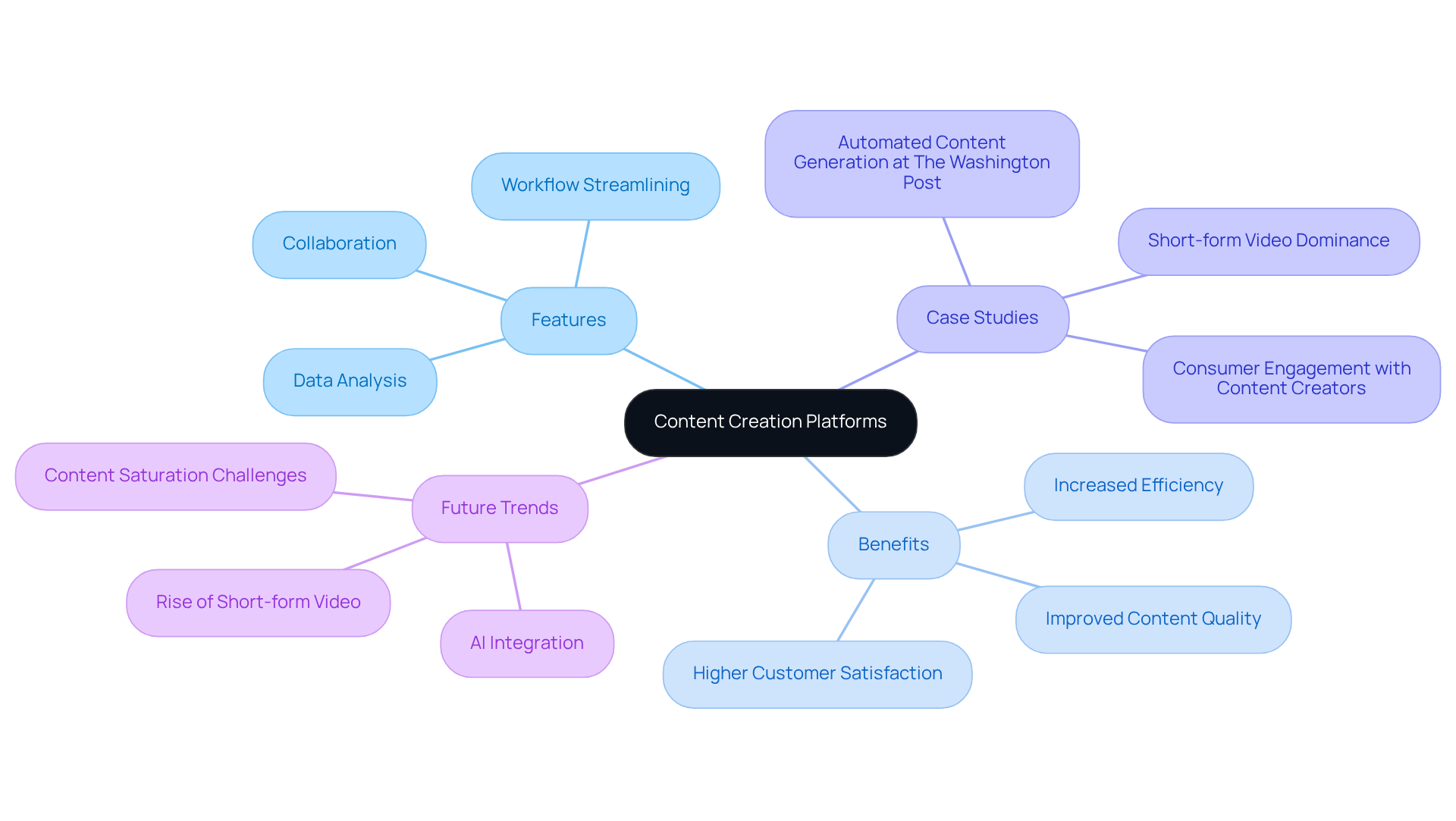
Content generation systems are essential digital resources that act as a , empowering the production, management, and distribution of diverse materials, such as text, images, and videos. As we look ahead to 2025, these systems have evolved significantly to address the increasing demand for engaging, through a across multiple channels, particularly . They streamline workflow processes, enhance collaboration among teams, and leverage to boost performance.
As brands navigate the complexities of online promotion, understanding the features and functionalities of a is crucial for achieving their marketing objectives. How can companies harness these tools to elevate their ? By integrating advanced s, businesses can simplify their operations and create compelling narratives that resonate with their audience.
Furthermore, successful case studies demonstrate the transformative impact of these systems on and engagement. For instance, companies that have adopted these technologies report increased efficiency and improved content quality, leading to higher .
In conclusion, as the , embracing a is not just beneficial - it's essential. Engage with MediaNug today to explore how these innovative solutions can drive your .
Key Features of Leading Content Creation Platforms
Leading s in 2025 are revolutionizing user experience and enhancing the effectiveness of material with a suite of powerful features. Consider this: . This statistic underscores the importance of , which offer simplified navigation and intuitive design, making it easier for creators of all skill levels to thrive.
Furthermore, . With , teams can work together seamlessly, regardless of their physical locations. In fact, teams collaborating with AI exchange 137% more messages than those relying solely on human interaction, highlighting the enhanced engagement these tools foster.
In addition, a requires , which are essential. In 2025, leveraging is not merely an option; it’s a necessity. With 98% of marketers facing challenges in managing digital data, effective analytics tools that monitor performance, audience engagement, and ROI are crucial for informed decision-making.
Moreover, integration capabilities ensure compatibility with other marketing tools and platforms, allowing for a cohesive marketing strategy. Scheduling features enable users to plan and arrange releases across multiple channels, optimizing audience reach and engagement.
to adapt formats and templates, aligning them with brand identity and messaging. These characteristics are vital for companies striving to enhance their material's influence and streamline their marketing strategies.
As we look ahead, it’s clear that embracing these features will not only simplify processes but also amplify the impact of marketing efforts. Are you ready to elevate your ?

Pros and Cons of Each Platform
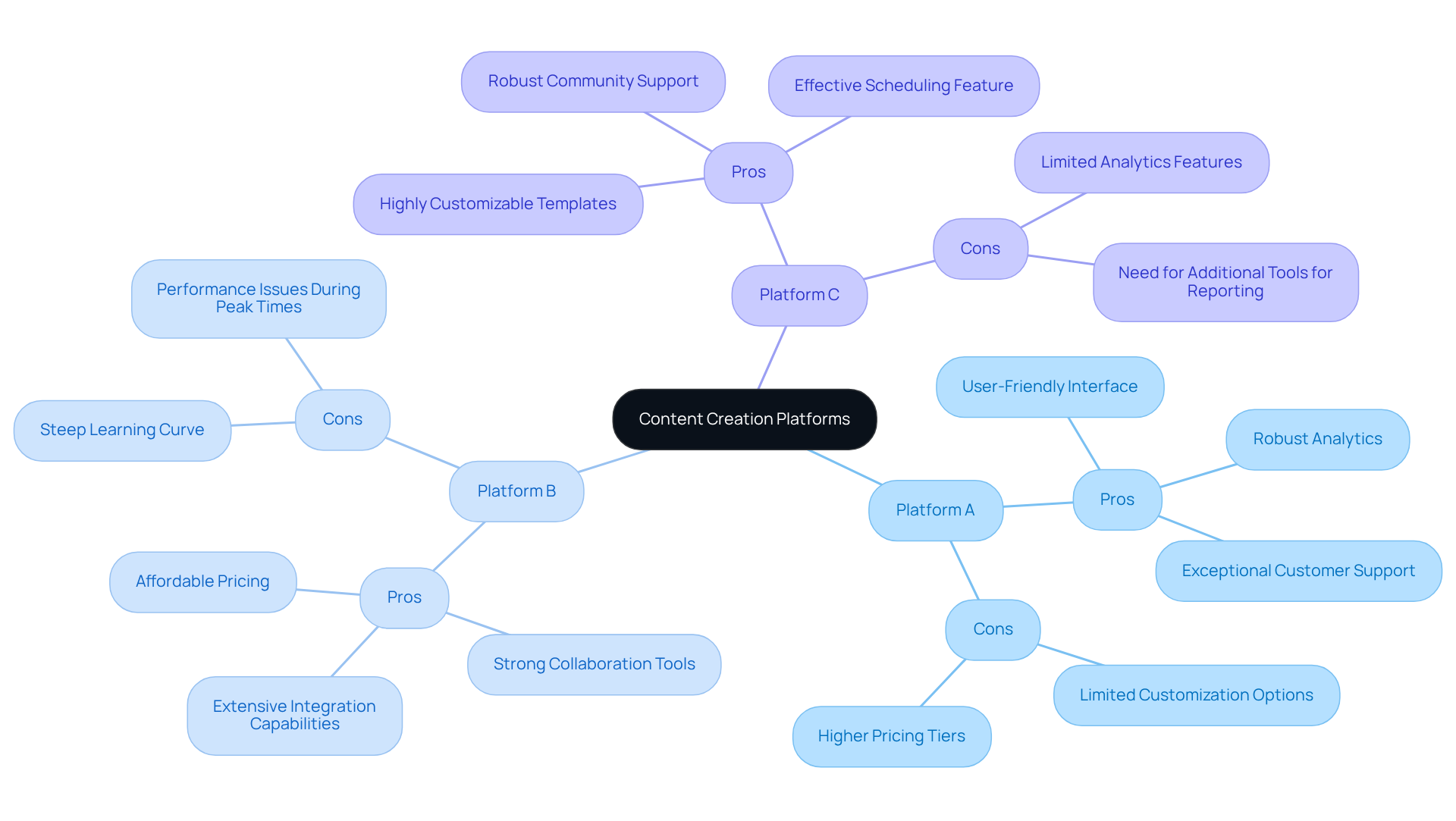
When evaluating a , understanding its strengths and weaknesses is crucial for making an informed decision. Let’s delve into three popular options:
-
Platform A:
- Pros: Renowned for its , , and exceptional customer support, Platform A is a top choice for many brands due to its ease of use.
- Cons: However, it does present and higher pricing tiers for advanced features, which may deter budget-conscious users.
Platform B:
- Pros: This platform shines with extensive integration capabilities and , making it ideal for teams. Its also attracts a wide range of users.
- Cons: The learning curve can be steep, and users have reported occasional performance issues during peak times, potentially hindering productivity.
Platform C:
- Pros: Featuring and robust community support, Platform C enables brands to tailor their content effectively. Its scheduling feature is another significant advantage.
- Cons: On the downside, it has limited analytics features and may require additional tools for comprehensive reporting, complicating the workflow.
In 2025, user satisfaction ratings for these services highlight the importance of a , with many companies opting for solutions that streamline their creation processes. For instance, companies like XYZ have chosen Platform A for its intuitive design, while others prefer Platform B for its . By weighing these advantages and disadvantages, businesses can identify which aligns best with their goals and operational needs.
Choosing the Right Platform for Your Needs
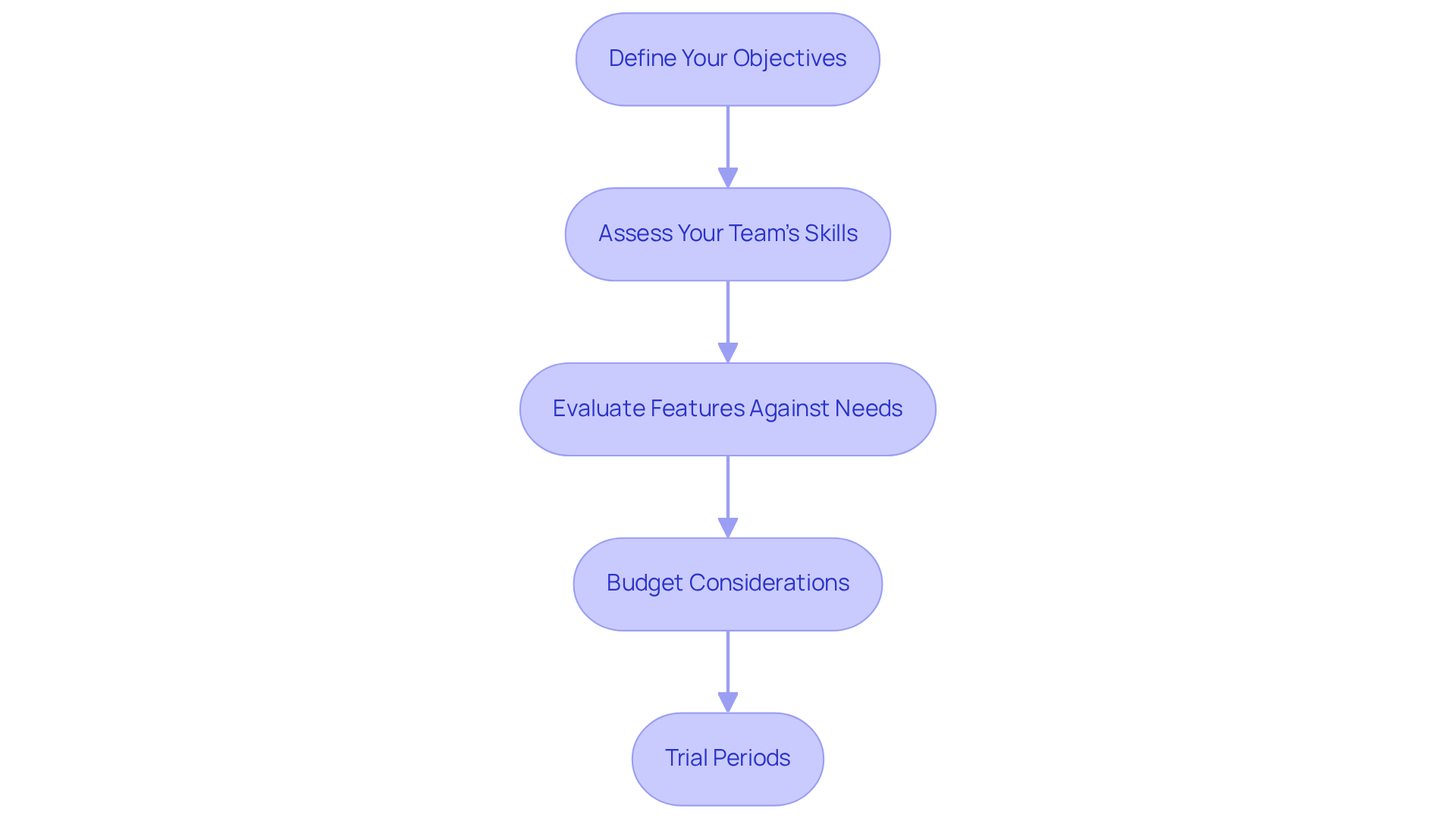
Selecting the right requires a strategic approach, focusing on several critical considerations:
- : Establish clear goals for your material-whether it’s enhancing brand awareness, generating leads, or fostering . This clarity will assist in your choice of system. As Andy Crestodina highlights, "Your material doesn't merely compete with rivals' material; it contends for attention with the social streams themselves."
- Assess Your Team's Skills: Evaluate the technical capabilities of your team. A system with advanced features may require extra training, so ensure your team is prepared to utilize the tools effectively. Notably, 43% of Gen Z and Millennial marketers express a desire to learn how to work with new technologies in , underscoring the importance of .
- Evaluate Features Against Needs: Align the system's functionalities with your specific requirements. If collaboration is a priority, seek tools that excel in teamwork features, enabling seamless communication and project management. Considering that 87% of buying choices are affected by , think about services that facilitate and sharing.
- : Analyze your budget and compare the pricing structures of various platforms. Look for options that offer the best value while addressing your creation needs. With 70% of businesses reporting , investing wisely in the right tools is crucial.
- : Utilize free trials or demos to evaluate the system's usability and features. This hands-on experience can help you determine if the platform aligns with your workflow and objectives.
By following these guidelines, brands can make informed choices that not only improve their strategies on the but also align with wider promotional objectives. As marketing strategists emphasize, defining objectives is crucial for effective content creation, ensuring that every effort contributes to measurable outcomes.
Conclusion
As digital marketing evolves, the importance of content creation platforms cannot be overstated. These platforms serve as essential assets, enabling brands to produce, manage, and distribute high-quality content with efficiency. By selecting the right content creation platform, businesses can streamline their processes and significantly enhance audience engagement across various channels.
Key features of leading content creation platforms include:
- User-friendly interfaces
- Robust analytics
- Collaboration tools that foster teamwork
Furthermore, understanding the pros and cons of popular platforms helps users make informed decisions tailored to their specific needs and objectives. It’s crucial to define goals, assess team skills, and evaluate features against requirements during the selection process.
Ultimately, the choice of a content creation platform can profoundly influence a brand's marketing strategy and overall success. By dedicating time and resources to select the right tools, businesses can elevate their content quality and achieve measurable results. Embracing these innovative solutions is not merely a trend; it’s a strategic move that can drive promotional success and cultivate lasting engagement with audiences.
Frequently Asked Questions
What are content creation platforms?
Content creation platforms are digital resources that facilitate the production, management, and distribution of various types of content, including text, images, and videos.
Why are content creation platforms important for brands?
They are important because they streamline workflow processes, enhance team collaboration, and leverage data analysis to improve performance, which is essential for achieving marketing objectives.
How have content creation platforms evolved by 2025?
By 2025, these platforms have evolved to meet the growing demand for engaging, high-quality content across multiple channels, especially social media.
What benefits do businesses gain from using advanced content creation platforms?
Businesses can simplify their operations and create compelling narratives that resonate with their audience, leading to increased efficiency and improved content quality.
Can you provide examples of the impact of content creation platforms on brands?
Yes, successful case studies show that companies using these platforms report higher customer satisfaction and increased brand visibility and engagement.
What is the significance of embracing content creation platforms in the evolving digital landscape?
Embracing these platforms is essential for businesses to stay competitive and effectively promote their products or services in a rapidly changing digital environment.
List of Sources
- Understanding Content Creation Platforms
- spiralytics.com (https://spiralytics.com/blog/content-creator-statistics-2025)
- sprinklr.com (https://sprinklr.com/blog/ai-social-media-content-creation)
- The Future of Content Creation - 6 Trends to Watch (https://workflow.ap.org/news/6-trends-influencing-future-of-content-creation)
- 2026 Marketing Statistics, Trends, & Data (https://hubspot.com/marketing-statistics)
- 2025 Digital Media Trends: Social platforms are becoming a dominant force in media and entertainment (https://deloitte.com/us/en/insights/industry/technology/digital-media-trends-consumption-habits-survey/2025.html)
- Key Features of Leading Content Creation Platforms
- contentverse.io (https://contentverse.io/article/content-creation-in-2025:-trends-strategies-and-tools-for-success)
- xperiencify.com (https://xperiencify.com/content-marketing-platform)
- 31 statistics about collaboration in the workplace in 2025 (https://zoom.com/en/blog/workplace-collaboration-statistics)
- digitalsilk.com (https://digitalsilk.com/digital-trends/content-marketing-statistics)
- amraandelma.com (https://amraandelma.com/collaboration-platform-marketing-statistics)
- Pros and Cons of Each Platform
- createandgrow.com (https://createandgrow.com/best-ai-content-writing-tools)
- activecampaign.com (https://activecampaign.com/blog/content-marketing-quotes)
- digitalsilk.com (https://digitalsilk.com/digital-trends/content-marketing-statistics)
- 70+ Key Content Marketing Statistics for 2025 (https://siegemedia.com/strategy/content-marketing-statistics)
- mediajunction.com (https://mediajunction.com/blog/pros-cons-generative-ai-content)
- Choosing the Right Platform for Your Needs
- digitalsilk.com (https://digitalsilk.com/digital-trends/content-marketing-statistics)
- cropink.com (https://cropink.com/content-marketing-statistics)
- mightynetworks.com (https://mightynetworks.com/resources/content-creator-platforms)
- 57+ Content Marketing Statistics To Help You Succeed in 2025 (https://contentmarketinginstitute.com/content-marketing-strategy/content-marketing-statistics)