Introduction
User-generated content (UGC) has emerged as a formidable force in the marketing landscape, revolutionizing how brands connect with their audiences. By harnessing authentic customer experiences, brands can craft compelling advertisements that resonate deeply, fostering trust and loyalty among consumers. However, as the UGC landscape evolves, brand managers encounter the challenge of effectively leveraging this content while avoiding potential pitfalls.
How can they create UGC ads that not only capture attention but also drive meaningful results?
Understand User-Generated Content (UGC) and Its Importance
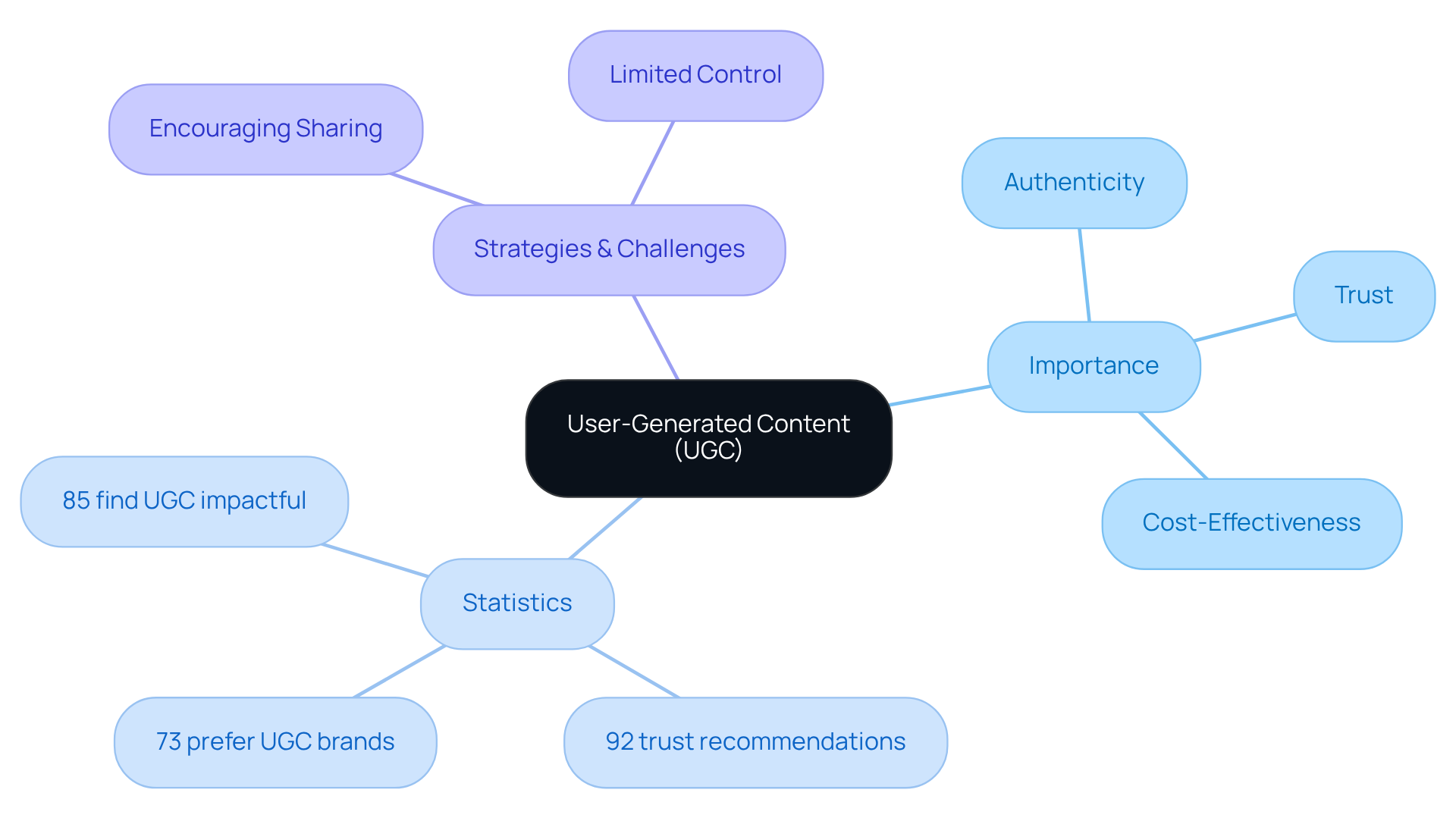
() is any material created by customers or users of a brand, encompassing reviews, images, videos, and social media posts. This type of is crucial because it fosters authenticity and trust—qualities that consumers increasingly value. Brands leveraging can present , making their marketing efforts not only more relatable but also significantly more effective.
Consider this: a study found that . This statistic underscores 's power to influence purchasing decisions. Additionally, , further highlighting 's role in building trust. Notably, , showcasing its substantial impact on consumer behavior.
To harness the full potential of , managers should focus on encouraging customers to share their experiences and actively engage with ad across various platforms like TikTok, Meta, and YouTube. This strategy not only cultivates a community around the product but also nurtures loyalty and trust among consumers. Furthermore, companies that incorporate can cut production costs by up to 60%, making it a cost-effective strategy.
However, it’s important to recognize that businesses may encounter challenges when utilizing , such as limited control over the context and timing of on external platforms. By understanding these dynamics, brands can better navigate the landscape of and maximize its benefits.
Explore Different Types of UGC for Advertising
Brands can leverage various types of for advertising, each offering unique advantages:
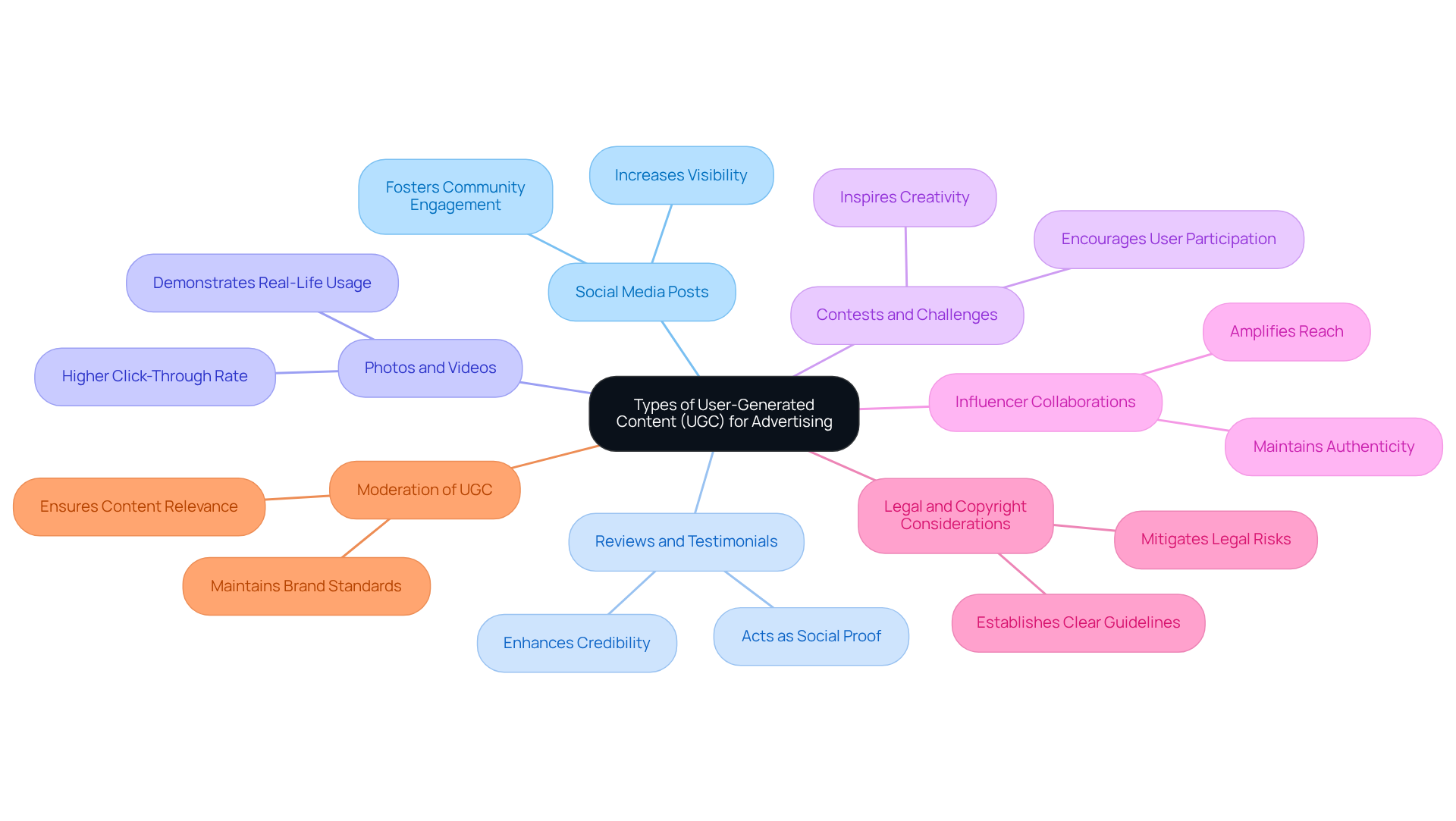
- : Content shared by users on platforms like Instagram, TikTok, and Facebook can be harnessed by encouraging users to tag the brand or use specific hashtags. This not only increases visibility but also fosters community engagement.
- : . Showcasing positive reviews on product pages or in advertisements can significantly enhance credibility, as 70% of consumers consult UGC posts before making purchase decisions. Furthermore, 47% of consumers regard on retailer sites as the most impactful information when researching products online.
- Photos and Videos: Visual material created by users, such as photos and videos, can be repurposed in ads to demonstrate real-life product usage. This approach resonates well with audiences, as have a four times higher click-through rate compared to traditional posts. Furthermore, ads that are considered receive 73 percent more positive comments than traditional ads on social media.
- : Involving users through competitions motivates them to produce and share material associated with the organization. Campaigns like GoPro's #GoProAwards have effectively inspired creativity and enhanced visibility. Another notable example is Dove's 'Project #ShowUs' campaign, which earned numerous awards and garnered goodwill amongst audiences.
- Influencer Collaborations: can amplify reach and engagement. However, it’s crucial to ensure that the material aligns with the organization’s values to maintain authenticity.
- Legal and Copyright Considerations: Brands must be aware of potential legal and copyright issues that may arise from unregulated UGC. Establishing clear guidelines for material creation can help mitigate these risks.
- Moderation of UGC: Effective moderation of UGC is essential to ensure that only pertinent and safe content is showcased on social media, upholding company standards and audience trust.
By understanding and effectively utilizing these types of , managers can tailor their strategies to maximize engagement and drive conversions, ultimately enhancing their marketing efforts.
Implement Best Practices for Crafting High-Impact UGC Ads
To create impactful , brand managers must adhere to several best practices:
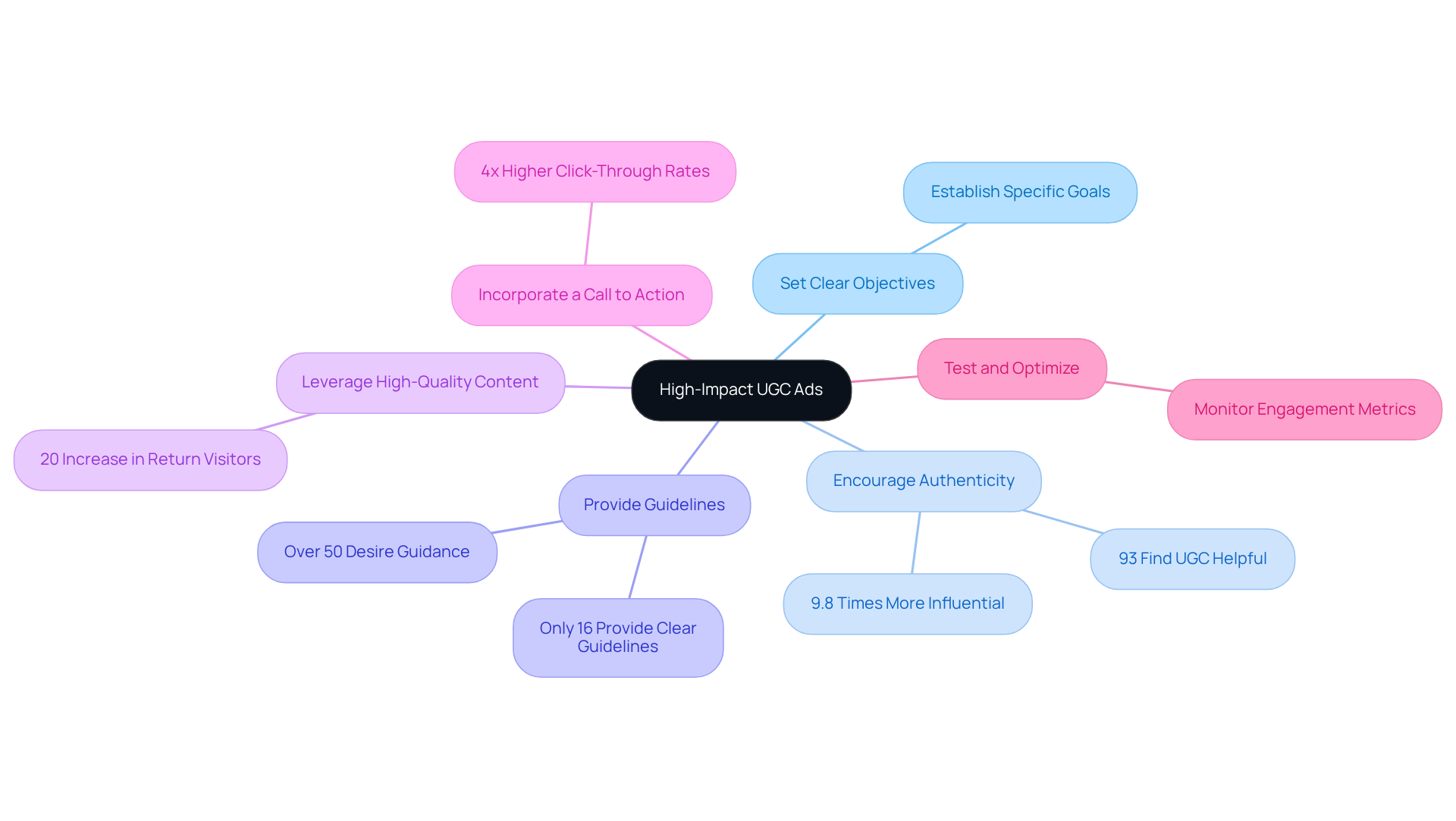
- : Establish specific goals for your , such as enhancing brand awareness, increasing website traffic, or driving sales. Clear objectives guide your strategy and help measure success.
- : Foster an environment where users can share their genuine experiences with your product. Did you know that genuine material is 9.8 times more influential than influencer material in driving purchasing decisions? This makes authenticity essential for resonating with audiences. Furthermore, , underscoring its significant impact on consumer behavior.
- : Offer clear directions on the preferred type of material, including messaging and visual components. This clarity assists users in producing content that aligns with your identity while preserving their distinct voice. Importantly, only 16% of companies provide clear guidelines for UGC, highlighting a considerable gap in UGC strategy that your organization can address.
- Leverage : Curate UGC that reflects your company's image and values. High-quality visuals and compelling narratives significantly enhance engagement, as campaigns featuring UGC see a .
- Incorporate a Call to Action: Motivate viewers to take specific actions, such as visiting your website or making a purchase. Effective calls to action can drive conversions, especially considering that achieve .
- Test and Optimize: Regularly monitor the performance of your , adjusting strategies based on engagement metrics and user feedback. Continuous optimization ensures your campaigns remain effective and relevant.
By implementing these practices, managers can create that capture attention and drive meaningful results, ultimately enhancing the credibility of the UGC ad and consumer trust. For instance, the Uniqlo #LifeWear campaign successfully engaged users globally through a mix of branded and , demonstrating the effectiveness of well-curated UGC campaigns.
Measure Success: Analyze Engagement and Sales Metrics
To effectively measure the success of , must focus on several key metrics:
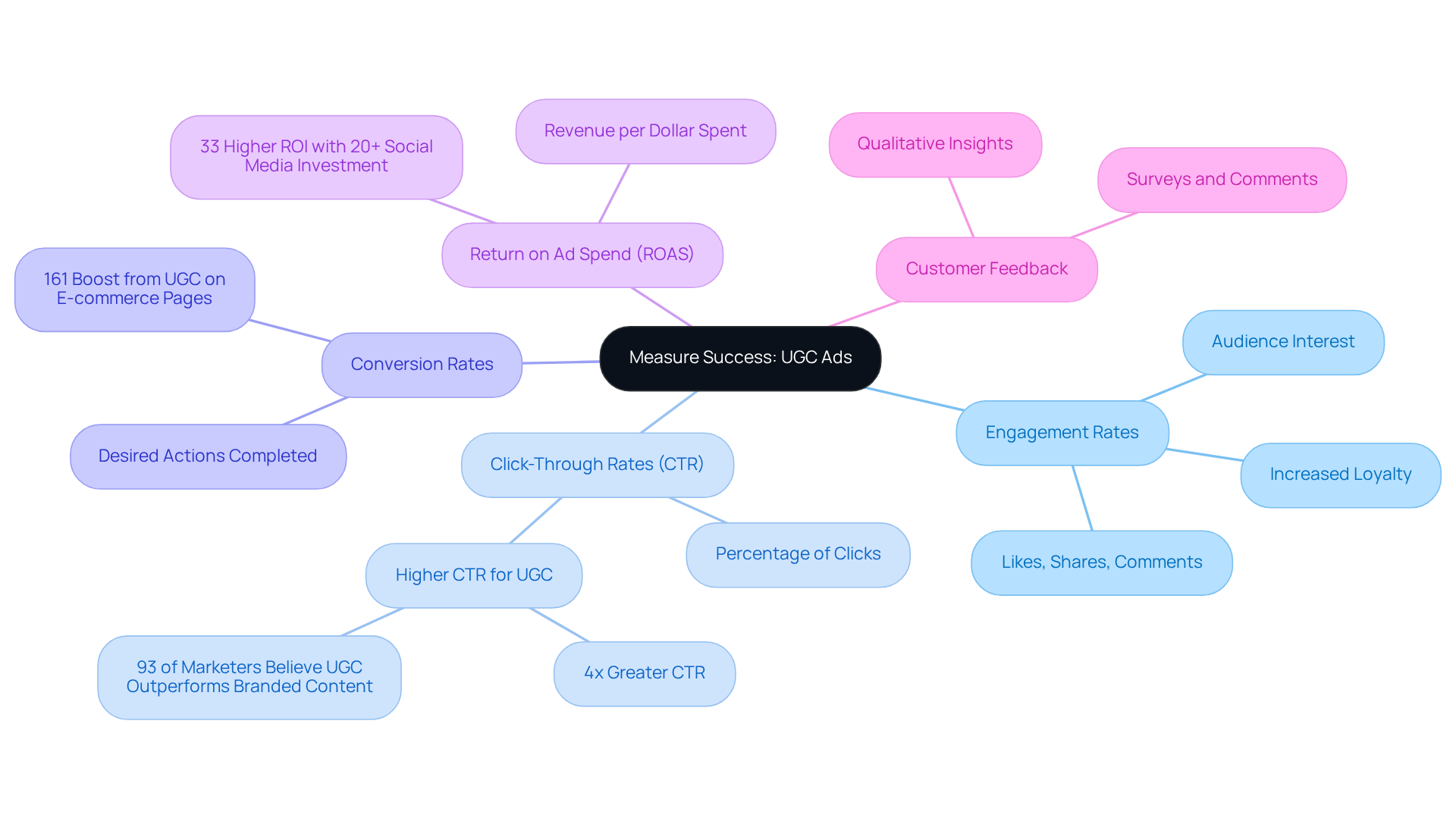
- : Monitor likes, shares, comments, and overall interactions with the UGC ad to assess audience interest and engagement. High often correlate with increased loyalty and awareness of the company.
- Click-Through Rates (CTR): Evaluate the percentage of users who clicked on the ad compared to those who viewed it. A higher CTR indicates that the ad resonates well with the audience, driving traffic to the brand's site. Notably, achieve , according to 93% of marketers who believe UGC outperforms branded materials.
- : Analyze the proportion of users who completed a desired action, such as making a purchase, after interacting with the UGC ad. Including UGC on e-commerce pages can , highlighting its effectiveness in driving sales.
- (ROAS): Calculate the revenue generated for every dollar spent on advertising. A strong ROAS reflects the financial effectiveness of UGC campaigns, guiding budget allocation for future ads. Brands investing more than 20% in social media report a , underscoring the importance of ongoing performance evaluation.
- : Gather qualitative insights through surveys or comments to gauge consumer perceptions and experiences with the UGC. This feedback can inform future content strategies and enhance authenticity.
By consistently analyzing these metrics, can refine their UGC strategies, ensuring they maximize engagement and drive sales effectively. With , leveraging insights from is essential for optimizing marketing efforts. Additionally, email marketing campaigns that include UGC boast a 78% higher click-through rate, further demonstrating the value of UGC in enhancing overall campaign effectiveness.
Conclusion
User-generated content (UGC) stands as a cornerstone in contemporary advertising strategies, presenting brands with a remarkable chance to forge authentic connections with their audiences. By embracing UGC, brands not only bolster trust and credibility but also significantly enhance engagement and conversion rates. Showcasing genuine experiences and opinions from customers transforms marketing into a more relatable and impactful endeavor.
This guide has highlighted the importance of UGC through compelling statistics and insights. From the effectiveness of social media posts and customer reviews to the advantages of contests and influencer collaborations, each type of UGC offers unique benefits that can be strategically leveraged. Best practices for crafting high-impact UGC ads—such as setting clear objectives, encouraging authenticity, and analyzing engagement metrics—further underscore UGC's potential to drive meaningful results for brands.
As the advertising landscape evolves, the significance of user-generated content cannot be overstated. Brands are urged to actively integrate UGC into their marketing strategies, fostering a sense of community and loyalty among consumers. By measuring success through key metrics and continuously optimizing campaigns, businesses can harness the full power of UGC, ultimately leading to enhanced brand visibility, increased sales, and stronger consumer relationships. Embracing UGC is not merely a trend; it represents a crucial step toward cultivating a more authentic and effective marketing approach.
Frequently Asked Questions
What is User-Generated Content (UGC)?
User-Generated Content (UGC) refers to any material created by customers or users of a brand, including reviews, images, videos, and social media posts.
Why is UGC important for brands?
UGC is important because it fosters authenticity and trust, qualities that consumers increasingly value. It allows brands to present genuine experiences and opinions, making marketing efforts more relatable and effective.
How does UGC compare to traditional advertising?
A study found that 85% of individuals view user-generated content as more impactful than traditional advertising, indicating its strong influence on purchasing decisions.
What percentage of people trust recommendations from friends and family over other forms of advertising?
92% of people trust recommendations from friends and family more than any other form of advertising, highlighting UGC's role in building trust.
How does UGC affect consumer behavior?
73% of shoppers prefer to buy from companies that utilize UGC, demonstrating its significant impact on consumer purchasing behavior.
What strategies can brands use to leverage UGC?
Brands should encourage customers to share their experiences and engage with UGC ad content on platforms like TikTok, Meta, and YouTube to cultivate community and nurture loyalty.
What are the cost benefits of using UGC in advertising?
Companies that incorporate user-generated content in their ads can reduce production costs by up to 60%, making it a cost-effective marketing strategy.
What challenges might businesses face when utilizing UGC?
Businesses may face challenges such as limited control over the context and timing of content on external platforms when utilizing UGC. Understanding these dynamics can help brands navigate the landscape more effectively.
List of Sources
- Understand User-Generated Content (UGC) and Its Importance
- social.plus (https://social.plus/blog/84-of-people-trust-brands-more-when-they-use-user-generated-content)
- podium.com (https://podium.com/article/ugc-stats)
- news-journalonline.com (https://news-journalonline.com/press-release/story/11011/storypop-ugc-agency-expands-its-role-in-user-generated-content-for-global-brands)
- 36 User-Generated Content Statistics That You Can’t Ignore | EveryoneSocial (https://everyonesocial.com/blog/user-generated-content-statistics)
- amraandelma.com (https://amraandelma.com/user-generated-content-statistics)
- Explore Different Types of UGC for Advertising
- Complete guide to user-generated content (UGC) in 2025 (https://blog.hootsuite.com/user-generated-content-ugc)
- UGC Is Redefining Social Media Marketing in 2025—Here’s How to Leverage It • The Shelf (https://theshelf.com/the-blog/ugc-is-redefining-social-media-marketing-in-2025-heres-how-to-leverage-it)
- socialpilot.co (https://socialpilot.co/blog/user-generated-content-ugc)
- emarketer.com (https://emarketer.com/content/social-media-marketers-eye-ugc-influencer-content-growth-burnout-threatens)
- 36 User-Generated Content Statistics That You Can’t Ignore | EveryoneSocial (https://everyonesocial.com/blog/user-generated-content-statistics)
- Implement Best Practices for Crafting High-Impact UGC Ads
- 36 User-Generated Content Statistics That You Can’t Ignore | EveryoneSocial (https://everyonesocial.com/blog/user-generated-content-statistics)
- UGC Is Redefining Social Media Marketing in 2025—Here’s How to Leverage It • The Shelf (https://theshelf.com/the-blog/ugc-is-redefining-social-media-marketing-in-2025-heres-how-to-leverage-it)
- amraandelma.com (https://amraandelma.com/user-generated-content-statistics)
- UGC Best Practices, Expert Tips & Trends to Grow in 2026 (https://embedsocial.com/blog/ugc-best-practices-and-future-trends)
- Measure Success: Analyze Engagement and Sales Metrics
- 36 User-Generated Content Statistics That You Can’t Ignore | EveryoneSocial (https://everyonesocial.com/blog/user-generated-content-statistics)
- Emplifi Reveals UGC Delivers 10X Higher Conversion Rates (https://emplifi.io/press/ugc-delivers-10x-higher-conversion-rates)
- catarinamello.com (https://catarinamello.com/10-statistics-you-need-to-know-about-the-ugc-industry-in-2025)
- amraandelma.com (https://amraandelma.com/user-generated-content-statistics)
- Key Social Media Marketing Statistics for 2025 | Sprinklr (https://sprinklr.com/blog/social-media-marketing-statistics)