
Introduction
Digital marketing has revolutionized the advertising landscape, presenting companies with unparalleled opportunities to engage with their audiences in real-time.
As brands grapple with the intricacies of consumer behavior, the importance of evaluating the effectiveness of digital strategies against traditional marketing methods becomes increasingly crucial.
With technology evolving at a breakneck pace and consumer preferences shifting, how can businesses pinpoint the optimal approach to amplify their marketing impact?
This comparative analysis explores the strengths and weaknesses of both digital and traditional marketing, unveiling insights that can empower brands to refine their promotional strategies for the future.
Defining Digital Marketing and Advertising
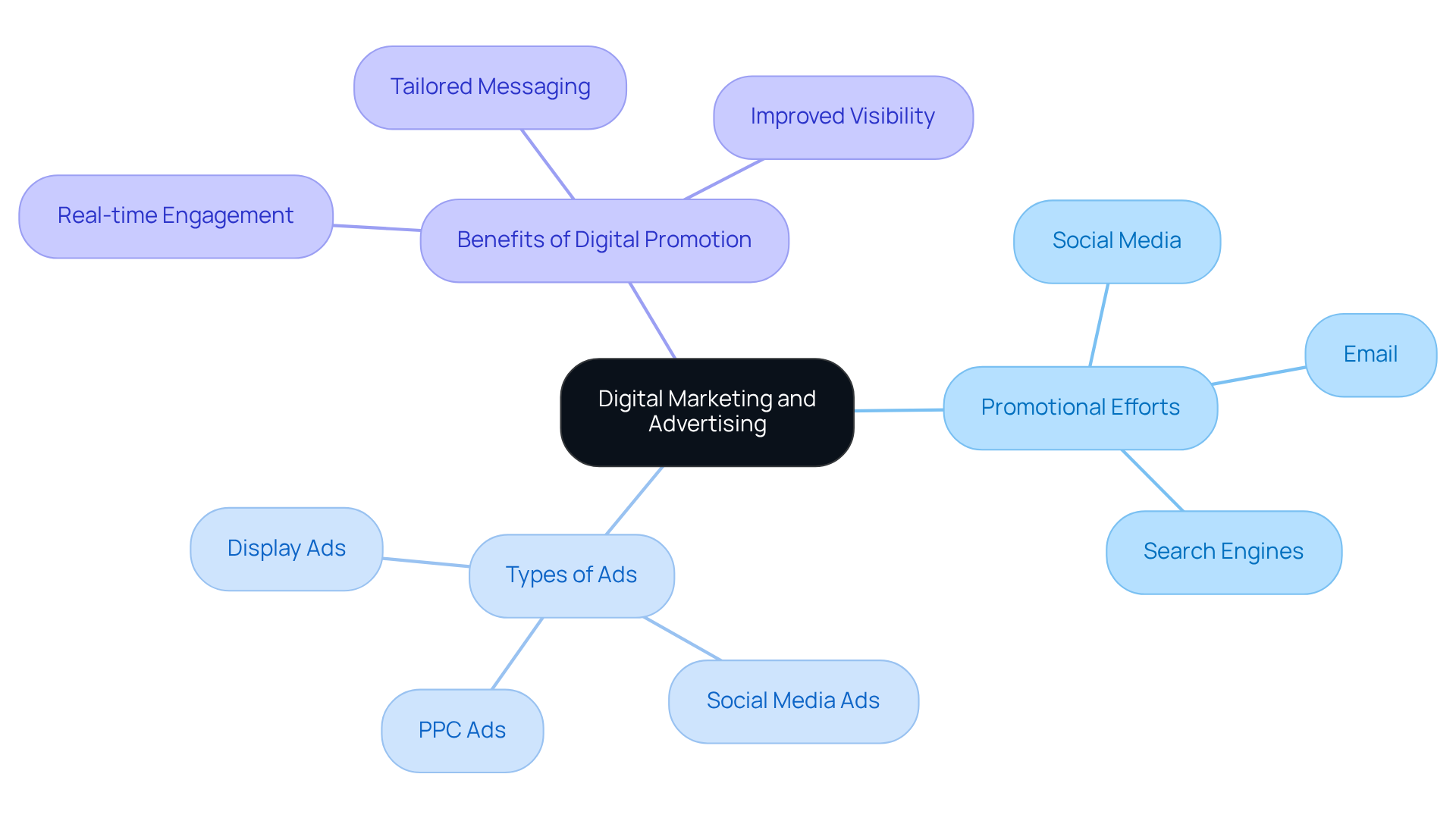
represents all promotional efforts by that leverage the internet or electronic devices, including social media, email, search engines, and websites. This approach empowers to engage with their audience in real-time and . Advertising, a crucial segment of online promotion, specifically refers to , such as pay-per-click (PPC) ads, social media ads, and display ads, which are often created by .
The enables to connect with consumers more interactively than traditional methods, which often rely on one-way communication through print or broadcast media. Consider the successful campaigns like , which achieved an impressive and a . This demonstrates the effectiveness of utilizing to drive engagement and adapt to evolving consumer behaviors.
This evolution in promotion underscores the essential role that play in and fostering deeper connections with consumers. Are you ready to harness the power of to elevate your brand's engagement? Let's explore how MediaNug can help you achieve your marketing goals.
Understanding Traditional Marketing Practices
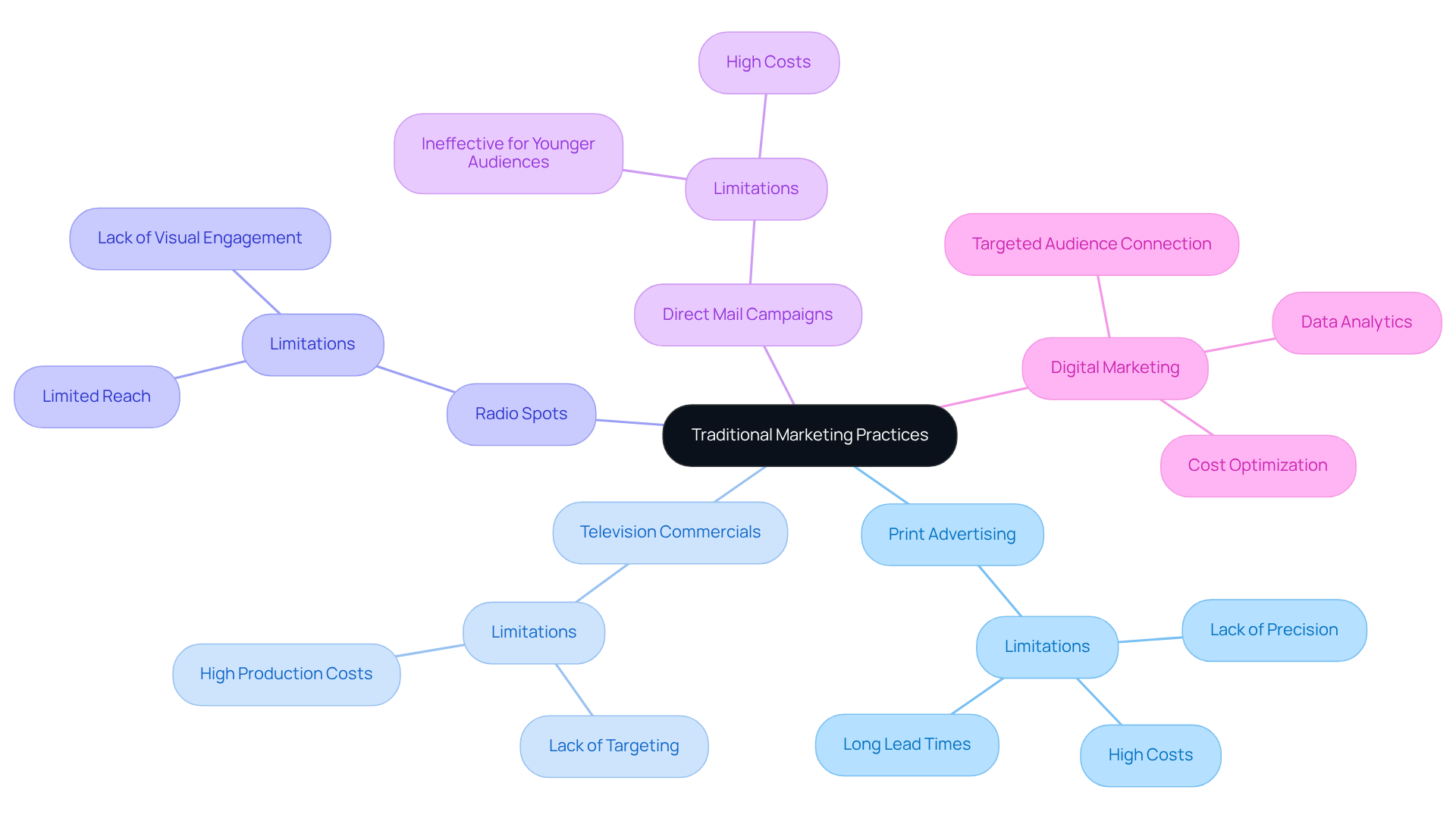
, such as , television commercials, radio spots, and direct mail campaigns, have long been the backbone of marketing strategies. However, while these methods can generate extensive awareness, they often lack the precision needed for effective . For instance, a television ad may reach millions, but it fails to deliver tailored messaging to specific demographics, which can dilute its impact. Furthermore, conventional promotion typically incurs greater expenses and longer lead times for campaign implementation, making it less adaptable to the rapid shifts in consumer behavior and market dynamics we see today.
Conversely, offer more agile solutions, enabling brands to connect with targeted audiences based on detailed data analytics. This shift is crucial as companies strive to optimize their budgets and maximize in an increasingly competitive environment. With 4.62 billion active social media users and 4.95 billion active internet users worldwide, the significance of continues to rise. Yet, , particularly for reaching local, older audiences. High-quality print materials, like mailers, remain effective tools for certain demographics, proving that a balanced approach can yield the best results.
Comparing Effectiveness: Digital vs. Traditional Marketing
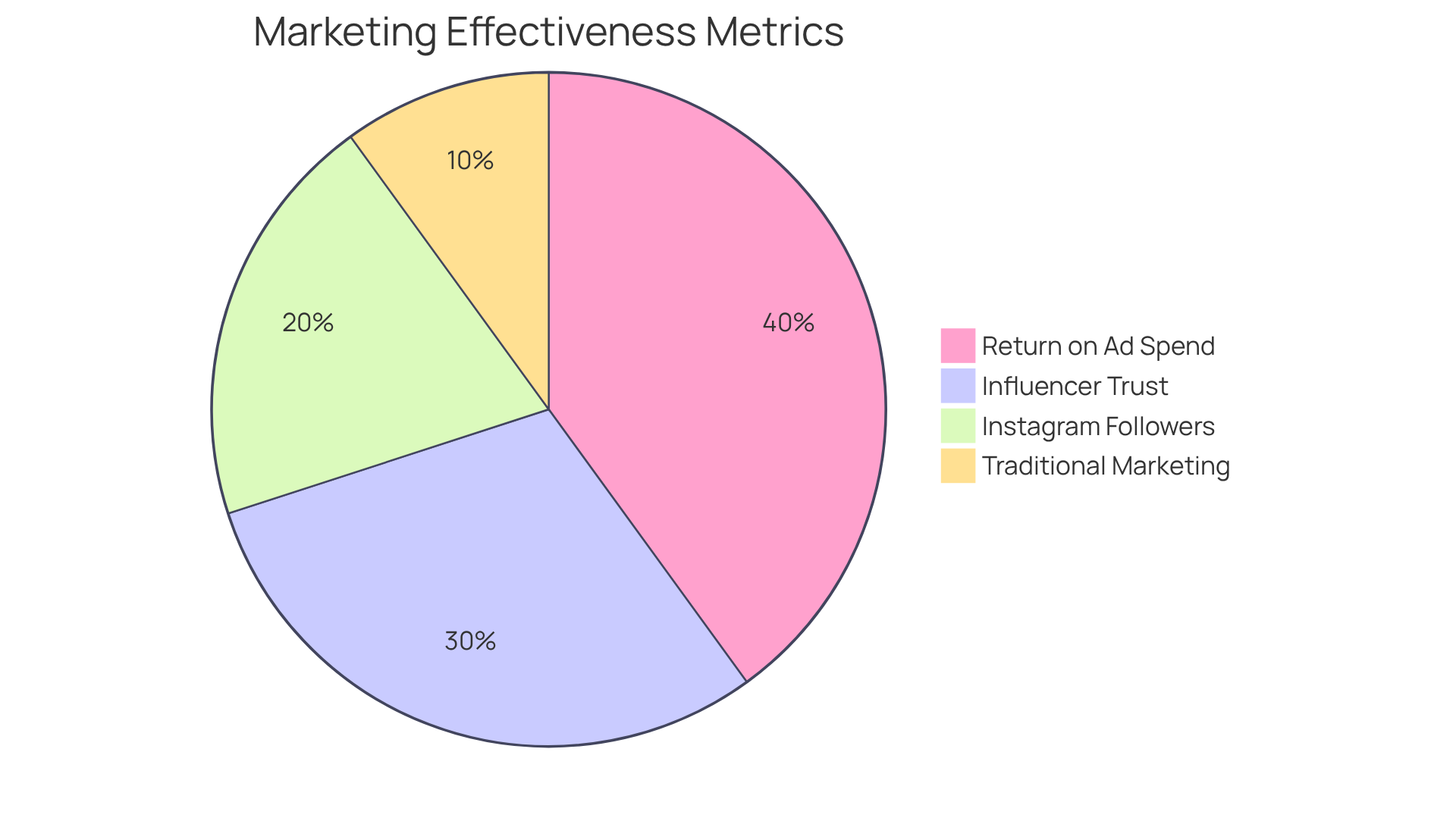
consistently outshine in terms of reach, engagement, and conversion rates. Did you know that platforms provide precise targeting and real-time analytics? This allows brands to swiftly adapt their strategies based on immediate performance feedback. For instance, social media campaigns can be optimized within hours, leveraging metrics to enhance effectiveness, while often take weeks or even months for assessment.
Consider this: TikTok ads boast an , surpassing standard display ads thanks to improved algorithmic targeting. Furthermore, is increasingly woven into online strategies, yielding an . In fact, 61% of consumers trust influencer endorsements more than conventional advertisements. Additionally, , highlighting the extensive influence of online promotion.
However, conventional promotion still holds significance for brand recognition among specific demographics, particularly older groups who may engage less frequently with online content. Ultimately, the choice between online and conventional promotion hinges on understanding your and aligning with specific campaign goals set by . Are you ready to explore how digital marketing can elevate your brand's presence?
Evaluating Performance Metrics and ROI
In the realm of , performance metrics like click-through rates (CTR), conversion rates, and are crucial for assessing success. Did you know that 58% of U.S. shoppers make purchases through social media? This statistic underscores the effectiveness of . These metrics offer immediate insights into , allowing marketers to make swift adjustments and optimize their efforts. In contrast, such as reach and impressions, which may not accurately reflect actual engagement or sales results.
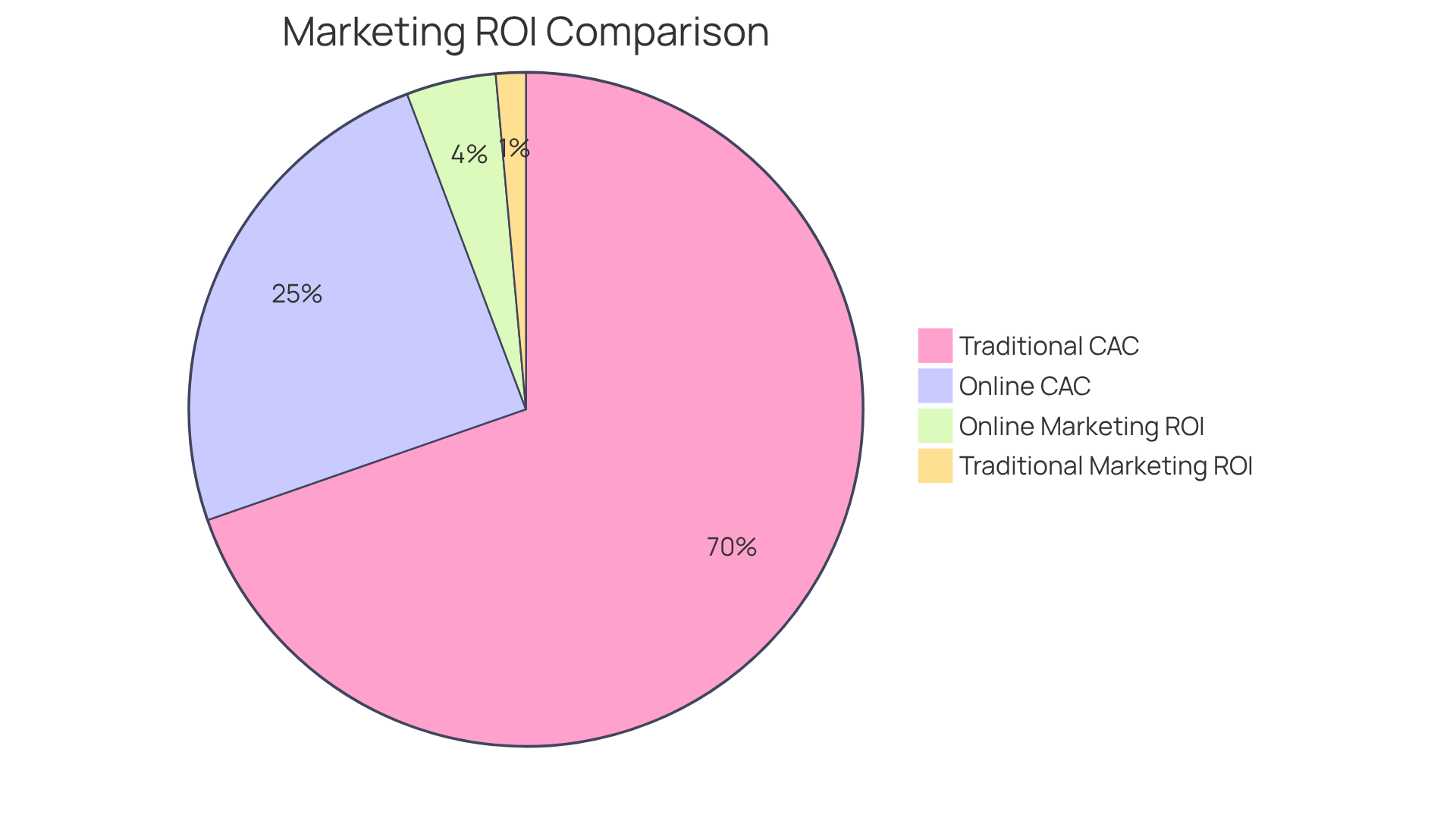
When it comes to , the differences between online and conventional approaches are striking. allows for precise monitoring of costs versus income generated, often yielding a , compared to just 1.4x for traditional methods in 2023. Moreover, the was $68, while brought that down to $24. This clearly highlights the effectiveness of online strategies. For example, a retailer that shifted 60% of its conventional budget to online channels managed to triple its ROI in 2024, showcasing the power of .
Ultimately, the ability to monitor and evaluate these metrics in real-time not only enhances campaign effectiveness but also fosters a more transparent relationship with stakeholders. This makes an appealing choice for brands looking to maximize their advertising investments. Are you ready to embrace the future of marketing?
Adapting to Market Trends: The Future of Marketing
The future of promotion is being reshaped by personalization and automation, fueled by advancements in artificial intelligence (AI) and data analytics. Brands are now expected to leverage AI and machine learning to create tailored experiences that truly resonate with consumers. By , with a striking 91% of marketers planning to maintain or increase their investment in . This statistic highlights the growing acknowledgment of personalization's critical role in .
The emergence of platforms like TikTok, which has surged to become the most downloaded non-gaming app globally with over 825 million downloads, underscores the shift towards engaging . Short-form videos, in particular, are proving to be highly effective, delivering the highest return on investment across platforms. They cater to the evolving preferences of consumers who increasingly favor quick, impactful content. As these preferences shift, companies must remain agile, continuously testing and refining their strategies to meet audience demands.
More than one in three leaders in promotion cite as a top KPI they prioritize monitoring, . Furthermore, the integration of strategies used by companies with is expected to gain traction, enabling companies to enhance their reach and effectiveness while ensuring that every interaction is meaningful and relevant. Additionally, adopting privacy-friendly will be essential for building trust and enhancing personalization efforts, as consumers increasingly expect brands to manage their data responsibly.

Conclusion
Digital marketing and advertising companies have fundamentally transformed how brands engage with their audiences. This dynamic and interactive approach far exceeds traditional methods. By harnessing real-time data and advanced targeting techniques, these companies empower brands to customize their messages and effectively engage consumers, ultimately leading to higher engagement rates and conversions.
Key insights throughout the article underscore the distinct advantages of digital marketing over traditional practices. Digital channels offer immediate feedback and performance metrics, enabling marketers to optimize their strategies in real-time. The impressive ROI from social media and influencer marketing highlights the effectiveness of these modern approaches. While traditional marketing retains value for certain demographics, the agility and precision of digital marketing make it a more attractive option for brands looking to maximize their advertising investments.
Looking ahead, the future of marketing is set to be defined by personalization, automation, and the seamless integration of digital and traditional strategies. As consumer preferences evolve, brands must adapt by embracing innovative technologies and prioritizing meaningful interactions. The call to action is clear: to stay competitive, brands should invest in digital marketing strategies that resonate with their target audiences. By harnessing the power of data-driven insights, they can foster deeper connections and drive sustainable growth.
Frequently Asked Questions
What is digital marketing and advertising?
Digital marketing and advertising encompass all promotional efforts by companies that utilize the internet or electronic devices, such as social media, email, search engines, and websites. This approach allows for real-time engagement and tailored messaging based on user behavior.
How does advertising fit into digital marketing?
Advertising is a crucial segment of digital marketing that specifically refers to paid advertisements across electronic channels, including pay-per-click (PPC) ads, social media ads, and display ads, often created by digital marketing and advertising companies.
What are the advantages of digital marketing over traditional marketing?
Digital marketing offers more interactive engagement with consumers, precise audience targeting through data analytics, and agility in adapting to rapid changes in consumer behavior. In contrast, traditional marketing methods, such as print and broadcast media, often rely on one-way communication and lack the ability to deliver tailored messages effectively.
Can you provide an example of successful digital marketing?
An example of successful digital marketing is Ocean Spray's targeted mobile advertising during the pandemic, which achieved a click-through rate of 7.54% and a behavioral lift of 10.03%, showcasing the effectiveness of real-time audience insights.
What are some traditional marketing practices?
Traditional marketing practices include print advertising, television commercials, radio spots, and direct mail campaigns. While effective for generating awareness, these methods often lack precision in audience targeting.
Is traditional marketing still relevant?
Yes, traditional marketing still holds value, especially for reaching local and older audiences. High-quality print materials, like mailers, can be effective tools for certain demographics, indicating that a balanced approach can yield the best results.
How many active users are there in digital marketing?
There are approximately 4.62 billion active social media users and 4.95 billion active internet users worldwide, highlighting the growing significance of digital marketing and advertising companies.
List of Sources
- Defining Digital Marketing and Advertising
- mmaglobal.com (https://mmaglobal.com/case-study-hub/case_studies/view/70745)
- flipdigitalpk.com (https://flipdigitalpk.com/case_studies.html)
- itvibes.com (https://itvibes.com/case_studies)
- mmaglobal.com (https://mmaglobal.com/case-study-hub/case_studies/view/92142)
- Understanding Traditional Marketing Practices
- impactgroupmarketing.com (https://impactgroupmarketing.com/resources/blog/is-traditional-marketing-still-effective-in-todays-digital-world)
- networklocal.net (https://networklocal.net/marketing_case_studies)
- Comparing Effectiveness: Digital vs. Traditional Marketing
- 125 Digital Marketing Statistics for 2026 | SeoProfy (https://seoprofy.com/blog/digital-marketing-statistics)
- 180+ Powerful Digital Marketing Statistics for 2026 - WordStream (https://wordstream.com/blog/ws/2022/04/19/digital-marketing-statistics)
- Digital Marketing News | Marketing Dive (https://marketingdive.com)
- theloopmarketing.com (https://theloopmarketing.com/digital-marketing-statistics)
- Key Social Media Marketing Statistics for 2025 | Sprinklr (https://sprinklr.com/blog/social-media-marketing-statistics)
- Evaluating Performance Metrics and ROI
- onimodglobal.com (https://onimodglobal.com/the-roi-showdown-traditional-marketing-vs-digital-advertising)
- adverity.com (https://adverity.com/blog/6-key-digital-marketing-metrics-for-2025)
- well-oiledmarketing.com (https://well-oiledmarketing.com/resources/digital-marketing-trends/performance-marketing-trends-202)
- nealschaffer.com (https://nealschaffer.com/digital-vs-traditional-marketing)
- owox.com (https://owox.com/blog/articles/digital-marketing-metrics-and-kpis)
- Adapting to Market Trends: The Future of Marketing
- linkedin.com (https://linkedin.com/pulse/2025-digital-marketing-trends-data-insights-boostroi-pamela-salon-l2kkc)
- deloittedigital.com (https://deloittedigital.com/nl/en/insights/perspective/marketing-trends-2025.html)
- 8 Expert Quotes on the Power of Email Personalization | Zembula (https://zembula.com/blog/8-expert-quotes-on-the-power-of-email-personalization)
- 2026 Marketing Statistics, Trends, & Data (https://hubspot.com/marketing-statistics)
- 2025 Digital Media Trends: Social platforms are becoming a dominant force in media and entertainment (https://deloitte.com/us/en/insights/industry/technology/digital-media-trends-consumption-habits-survey/2025.html)