
Introduction
In an era where consumer trust is waning, how can brands leverage User-Generated Content (UGC) to forge authentic connections? UGC has emerged as a vital asset for brands striving to connect genuinely with their audiences. By harnessing the creativity and experiences of consumers, UGC not only enhances brand credibility but also fosters community engagement and loyalty.
As consumers become increasingly wary of conventional marketing tactics, brands face the challenge of establishing genuine connections. This article delves into the meaning of UGC, its importance in marketing strategies, and the myriad benefits it offers to brands looking to thrive in today's consumer-driven environment.
Understanding and implementing UGC could be the key to not just surviving, but thriving in today's competitive market.
Define User-Generated Content (UGC)
In a world where authenticity drives consumer choices, User-Generated Content (UGC) has emerged as a powerful tool for brands. The UGC meaning encompasses any form of content, including text, images, videos, reviews, or social media posts, created by individuals rather than brands. This material is typically shared publicly and reflects the experiences, opinions, or creativity of consumers regarding a product or service. Unlike traditional promotional content, UGC is often perceived as more genuine and relatable, coming directly from the user base rather than a polished promotional team. Examples include customer reviews on e-commerce sites, social media posts featuring a company's product, and videos created by users showcasing their experiences with a service.
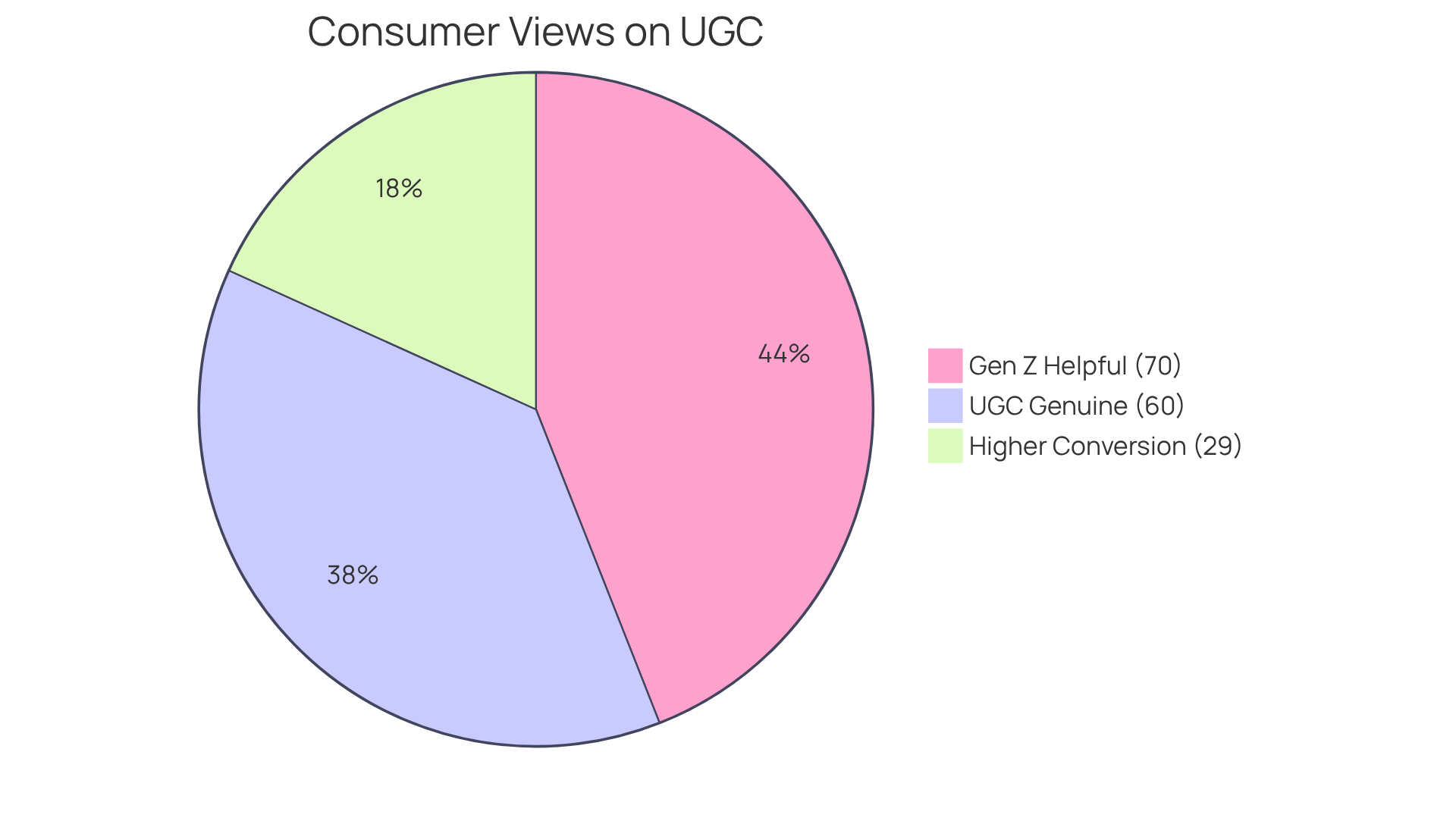
The UGC meaning emphasizes its crucial role in contemporary promotional strategies, as it encourages community involvement and establishes trust between companies and consumers. Notably, 60% of consumers consider UGC the most genuine form of advertising, and campaigns utilizing UGC achieve a 29% higher conversion rate compared to those without, according to Search Logistics. Furthermore, 70% of Gen Z consumers state that UGC is very helpful to their buying journey, highlighting its importance in reaching key demographics.
As brands adapt to this shift, the integration of UGC into their strategies will not just be beneficial; it will be essential for success in a competitive market. Companies that increasingly incorporate artificial intelligence into their UGC strategies can improve content curation and engagement, further reinforcing UGC's role in successful promotion.
Explore the Importance of UGC in Marketing
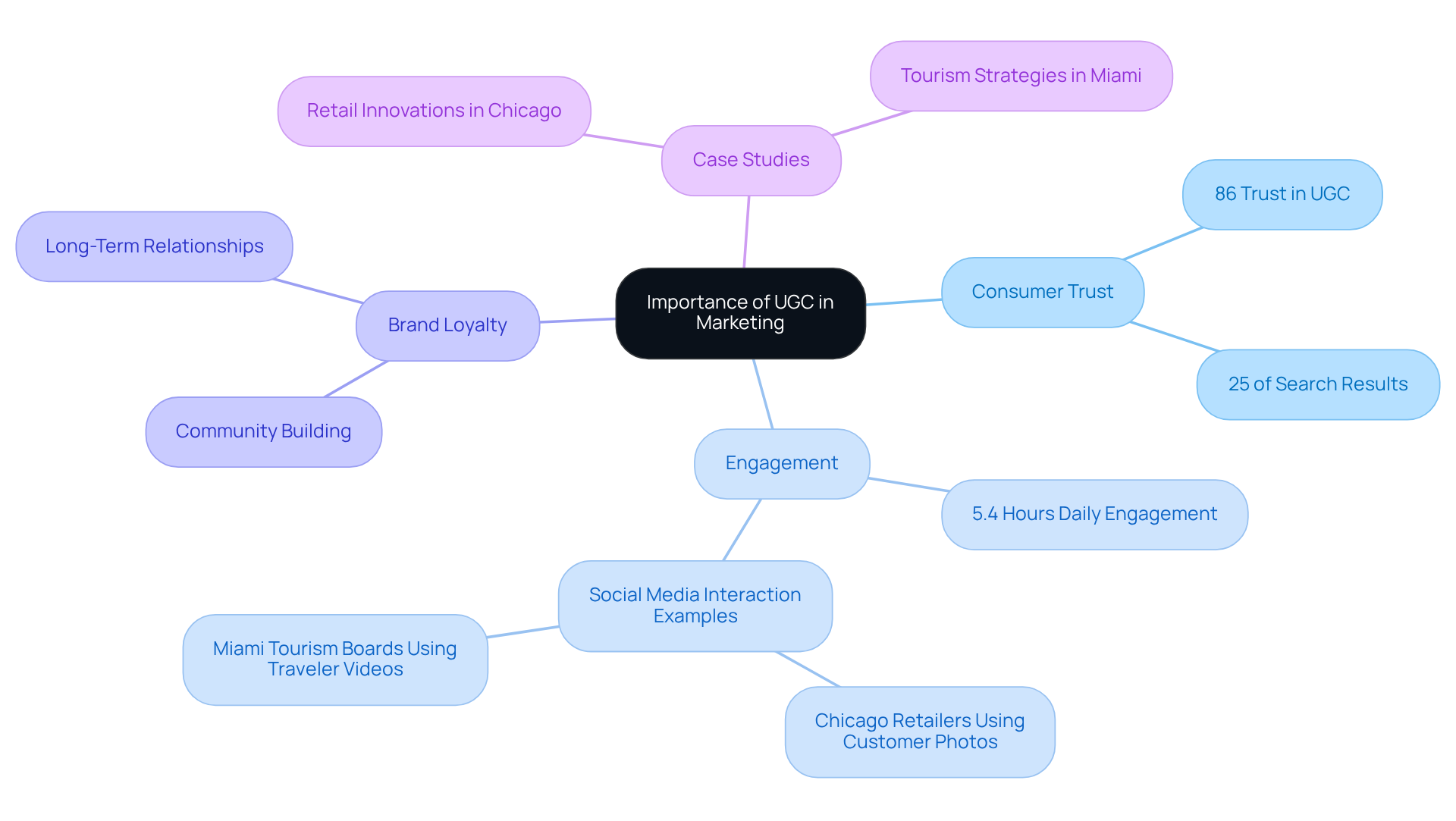
In a landscape where skepticism towards traditional advertising is on the rise, the UGC meaning highlights how User-Generated Content emerges as a vital tool for brands seeking authenticity and trust. Research shows that a staggering 86% of consumers trust UGC, which highlights the ugc meaning as a powerful influencer in purchasing decisions. In fact, the ugc meaning accounts for 25% of search results for major companies, showcasing its integral role in shaping consumer perceptions.
Furthermore, consumers spend an average of 5.4 hours daily engaging with content, which reflects the ugc meaning. This statistic underscores its effectiveness in driving interaction across social media platforms. Brands that actively incorporate UGC meaning into their promotional strategies not only enhance engagement but also foster a sense of community among their audience, which is crucial for building loyalty and advocacy. MediaNug’s NugVerse platform exemplifies this by connecting creative professionals with reliable companies, ensuring fair compensation for their contributions, and empowering them to showcase their craft authentically.
Case studies illustrate the transformative impact of UGC. For instance, retailers in Chicago have successfully integrated customer photos and reviews into product pages, resulting in increased engagement and reduced return rates. Similarly, tourism boards in Miami leverage traveler-generated videos to authentically showcase local experiences, resonating more with potential visitors than traditional marketing materials.
Expert insights further emphasize the importance of understanding ugc meaning. As highlighted by industry leaders, 'Authenticity outperforms perfection,' underscoring the necessity for companies to prioritize genuine customer interactions. By embracing UGC, which has a specific ugc meaning, companies can not only enhance their credibility but also create meaningful connections with their audience, ultimately driving sales and fostering long-term loyalty. MediaNug’s dedication to equitable compensation and collaborations with reputable brands via NugVerse strengthens this strategy, establishing it as a significant participant in the changing realm of UGC promotion. By prioritizing UGC meaning, brands can redefine their relationships with consumers, which paves the way for sustained loyalty and increased sales.
Identify Types of User-Generated Content
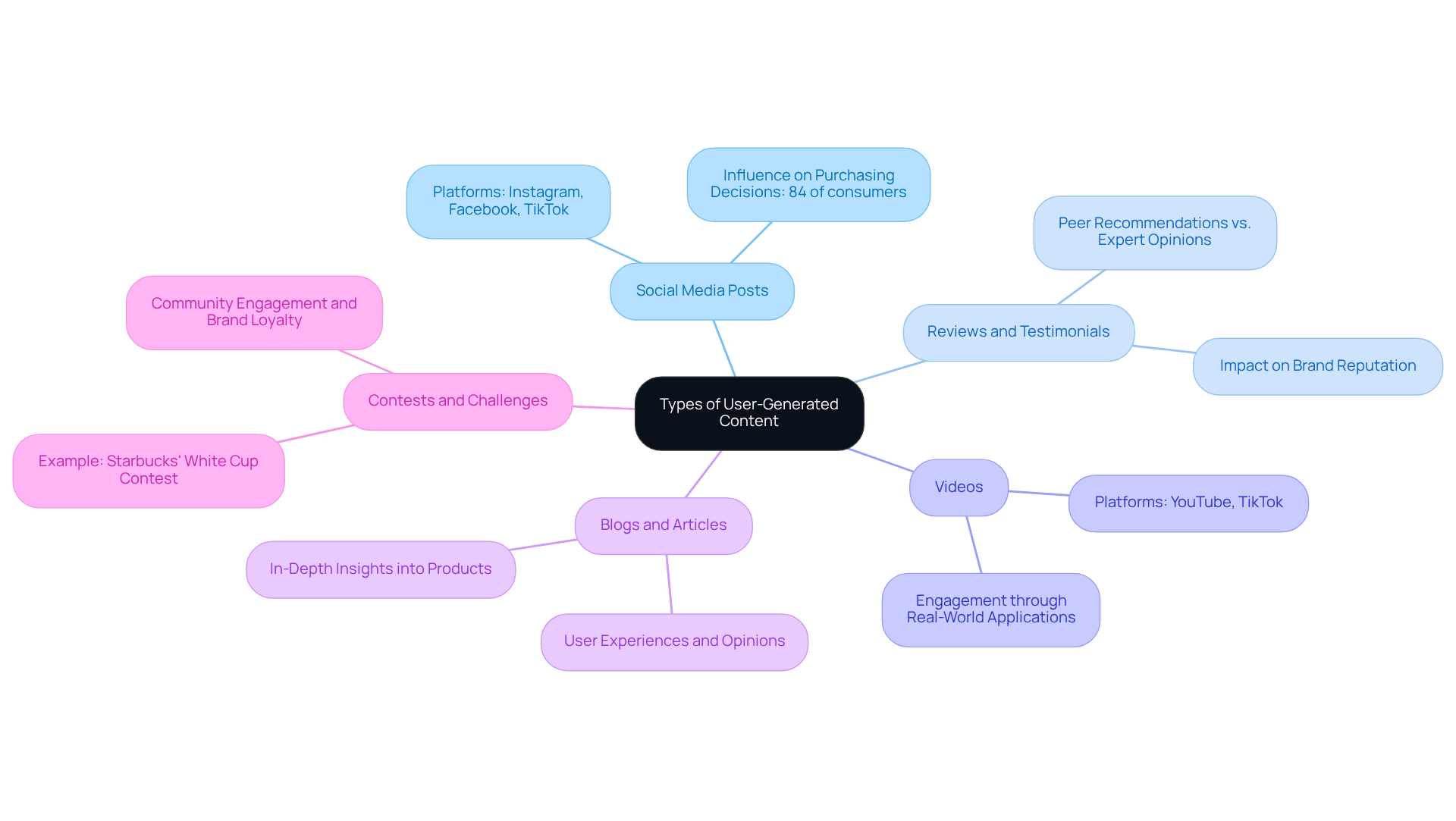
Are you leveraging the full potential of User-Generated Content (UGC meaning) in your marketing strategy? The term UGC meaning can be categorized into several types, each serving distinct marketing purposes. The most common types include:
- Social Media Posts: Content shared by users on platforms like Instagram, Facebook, and TikTok, often showcasing products or services in real-life scenarios. The UGC meaning is especially effective in this type, as 84% of consumers indicate that user-generated material on company websites affects their purchasing choices.
- Reviews and Testimonials: Written feedback from customers about their experiences with a product or service, typically found on e-commerce sites or review platforms. These evaluations significantly influence company reputation, with consumers understanding the ugc meaning as they regard peer suggestions more highly than expert views.
- Videos: User-created videos that demonstrate product usage, unboxings, or tutorials, which can be shared on platforms like YouTube or TikTok. Video material is particularly engaging, as it enables potential buyers to observe real-world applications of products, enhancing trust and relatability, which reflects the ugc meaning.
- Blogs and Articles: Content created by users discussing their experiences or opinions about a brand, often published on personal blogs or community forums. The UGC meaning of this type can provide in-depth insights into products and services, further influencing consumer perceptions.
- Contests and Challenges: Take Starbucks' 'White Cup Contest' as a prime example; it not only engaged customers but also fostered a sense of community, demonstrating the effectiveness of UGC in marketing.
To maximize the impact of UGC meaning, it is essential for companies to engage a diverse ecosystem of creators, including customers, advocates, and employees. Legal considerations, such as respecting creators' rights and understanding copyright implications, are also essential for effective UGC management. Moreover, companies must recognize the potential dangers linked to UGC, including unfavorable material that could affect their reputation. Ignoring the power of UGC meaning could result in missing out on authentic connections that drive loyalty and conversions. The ugc meaning indicates that each kind of UGC can be strategically employed to improve visibility and engagement, depending on the target audience and promotional goals. By utilizing these varied formats, companies can establish authenticity and trust, ultimately fostering customer loyalty and conversions.
Highlight the Benefits of UGC for Brands
In an era where consumer skepticism is at an all-time high, how can brands leverage User-Generated Content (UGC) meaning to build trust and drive engagement? The UGC meaning is that it serves as a game-changer for companies, offering unparalleled benefits that are crucial in contemporary marketing strategies.
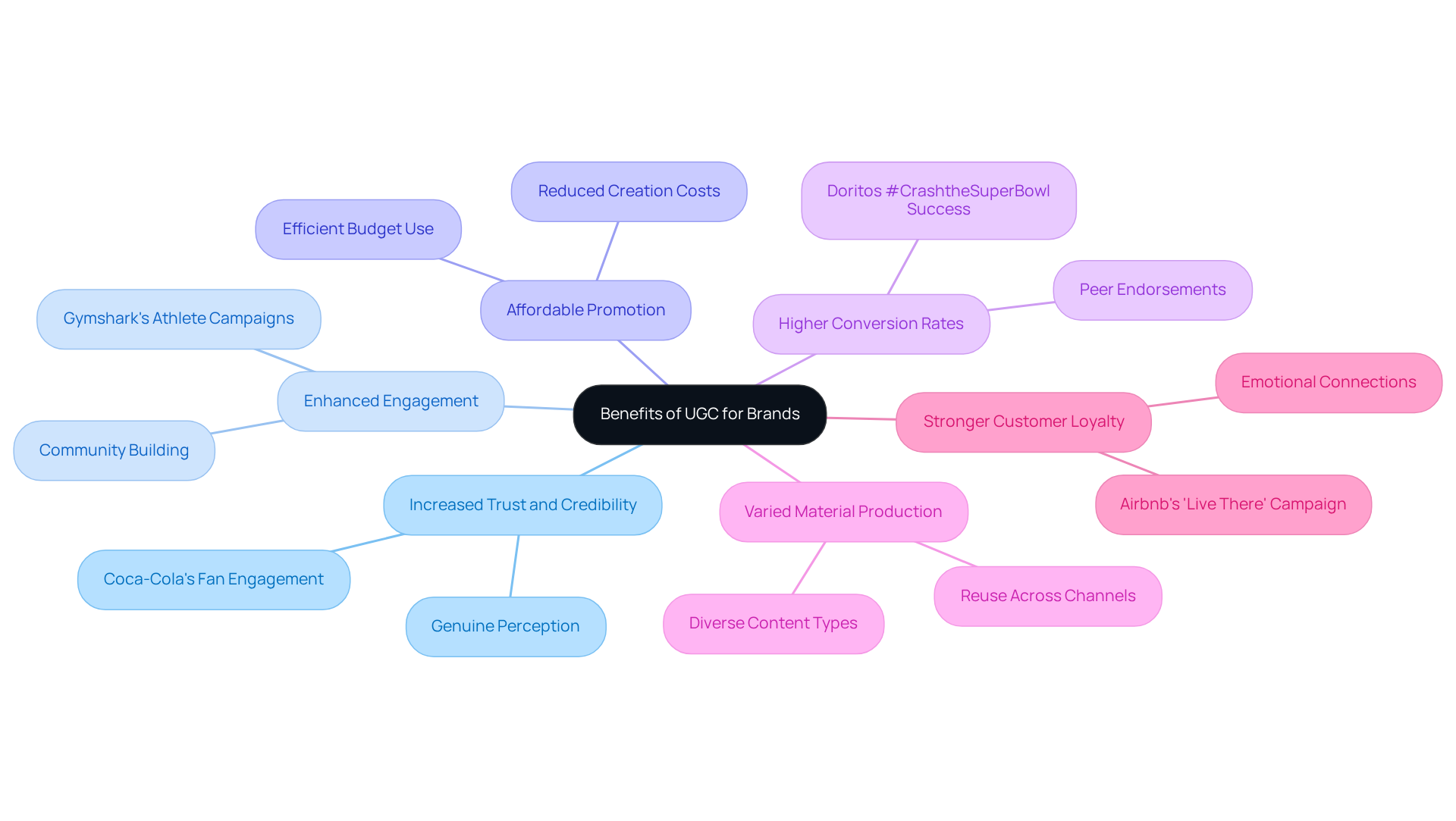
- Increased trust and credibility arise from the fact that UGC meaning is often viewed as more genuine than traditional advertising, fostering trust among potential customers. Brands such as Coca-Cola have effectively created a devoted fan base through customer feedback and user-generated images, demonstrating the influence of authentic material and resulting in an increase in social media posts.
- Enhanced Engagement: UGC encourages interaction and involvement, fostering a sense of community around the product. Campaigns like Gymshark's, which feature real athletes and fans, exemplify the UGC meaning by enhancing trust and engagement with audiences.
- Affordable Promotion: By leveraging materials produced by users, companies can significantly reduce creation expenses while still providing high-quality promotional resources. This approach enables a more efficient distribution of promotional budgets.
- Research indicates that UGC meaning can lead to higher conversion rates, as consumers are more inclined to purchase products endorsed by their peers. The Doritos #CrashtheSuperBowl campaign, which ran from 2006 to 2016 and made a comeback in 2023, invited users to create ads and resulted in a 30% increase in Super Bowl ad engagement, demonstrating the effectiveness of UGC in driving sales. The winner of the contest receives $1 million, adding to the campaign's competitive appeal.
- Varied Material Production: UGC offers a rich assortment of material that can be reused across different marketing channels, boosting visibility. This diversity enables companies to sustain fresh and engaging content without the necessity for extensive resources.
- Stronger Customer Loyalty: Engaging with UGC fosters deeper emotional connections between companies and their customers, leading to increased loyalty and repeat business. Successful campaigns, like Airbnb's 'Live There,' motivate users to share their experiences, further strengthening loyalty to the company.
Understanding UGC meaning is essential for brands aiming to harness its power to elevate their marketing efforts and achieve measurable results. Embracing UGC isn't just a trend; it's a strategic move that can redefine your brand's relationship with its audience and significantly boost your bottom line.
Conclusion
In a world where consumer trust is dwindling, how can brands authentically connect with their audiences? User-Generated Content (UGC) has emerged as a vital element in modern marketing strategies, offering brands a unique opportunity to engage meaningfully with their customers. By leveraging content created by consumers, brands can foster trust, enhance engagement, and ultimately drive sales. UGC resonates with consumers and can significantly transform how they perceive and remain loyal to a brand.
Throughout this article, we've highlighted key insights that underscore the importance of UGC in building credibility, increasing engagement, and providing cost-effective promotional opportunities. Statistics reveal that a substantial percentage of consumers trust UGC more than traditional advertising, and campaigns that incorporate UGC often see higher conversion rates. Furthermore, various types of UGC, from social media posts to reviews and videos, illustrate the diverse ways brands can engage with their audiences and create a sense of community.
Yet, many brands still find it challenging to establish genuine connections with consumers. In a landscape where authenticity is paramount, embracing UGC is not merely a trend but a strategic necessity for brands aiming to thrive. By prioritizing genuine consumer interactions and integrating UGC into their marketing efforts, brands can redefine their relationships with customers, fostering loyalty and driving long-term success. Ignoring UGC could leave brands struggling to keep pace in a market that demands authenticity and connection.
Frequently Asked Questions
What is User-Generated Content (UGC)?
User-Generated Content (UGC) refers to any form of content, such as text, images, videos, reviews, or social media posts, created by individuals rather than brands. It reflects the experiences, opinions, or creativity of consumers regarding a product or service.
How is UGC different from traditional promotional content?
Unlike traditional promotional content, UGC is perceived as more genuine and relatable because it comes directly from the user base rather than a polished promotional team.
What are some examples of UGC?
Examples of UGC include customer reviews on e-commerce sites, social media posts featuring a company's product, and videos created by users showcasing their experiences with a service.
Why is UGC important for brands?
UGC is crucial for contemporary promotional strategies as it encourages community involvement and establishes trust between companies and consumers. It is considered a genuine form of advertising by many consumers.
What statistics highlight the effectiveness of UGC?
According to Search Logistics, 60% of consumers consider UGC the most genuine form of advertising, and campaigns utilizing UGC achieve a 29% higher conversion rate compared to those without. Additionally, 70% of Gen Z consumers find UGC very helpful in their buying journey.
How can brands effectively integrate UGC into their strategies?
Brands can effectively integrate UGC into their strategies by adapting to the shift towards authenticity and incorporating artificial intelligence to improve content curation and engagement, which reinforces UGC's role in successful promotion.
List of Sources
- Define User-Generated Content (UGC)
- Audiences overwhelmingly prefer user-generated content over standard ads, AI (https://emarketer.com/content/audiences-overwhelmingly-prefer-user-generated-content-over-standard-ads--ai)
- Will User-generated Content be even more important in 2026? (https://linkbuildinghq.com/knowledge-center/will-user-generated-content-be-even-more-important-in-2026)
- UGC Trends 2026: Authentic Marketing | Buzzinly (https://buzzinly.com/post/user-generated-content-trends-2026-the-future-of-authentic-digital-marketing)
- User Generated Content in 2026: Why UGC Is Set to Win the Next Era of Marketing | Pepper Agency Blog (https://pepperagency.com/blog/user-generated-content-in-2026-why-ugc-is-set-to-win-the-next-era-of-marketing)
- Creators Are Making More User-Generated Content Than Ever. That's Good News for Brands (https://inc.com/annabel-burba/creators-are-making-more-user-generated-content-than-ever-thats-good-news-for-brands/91147522)
- Explore the Importance of UGC in Marketing
- (PDF) The Impact of User-Generated Content on Consumer Trust and Brand Loyalty (https://researchgate.net/publication/387885607_The_Impact_of_User-Generated_Content_on_Consumer_Trust_and_Brand_Loyalty)
- The Growing Role of User-Generated Content in 2026 Marketing – Beyond Marketing And Events (https://beyondmarketingandevents.com/experiential-marketing-news/the-growing-role-of-user-generated-content-in-2026-marketing)
- BetweenIT | Digital Solutions & Creative Technology (https://betweenit.com/uae/blog/47/why-user-generated-content-ads-are-leading-marketing-in-2026)
- The Importance of Ugc for Building Consumer Trust (https://linkedin.com/top-content/customer-experience/building-customer-trust/the-importance-of-ugc-for-building-consumer-trust)
- How User-Generated Content Helps You Build Trust and Credibility (https://entrepreneur.com/growing-a-business/how-user-generated-content-helps-you-build-trust-and/487866)
- Identify Types of User-Generated Content
- UGC Content 101: A Comprehensive Introduction (https://ama.org/marketing-news/user-generated-content)
- What is User-Generated Content? (https://metricool.com/user-generated-content)
- User-generated content: Benefits, strategy, and examples (https://business.adobe.com/blog/basics/user-generated-content-ugc-a-guide-to-getting-started)
- User-generated content - Wikipedia (https://en.wikipedia.org/wiki/User-generated_content)
- What is User-Generated Content? | Rome Business School (https://romebusinessschool.com/blog/user-generated-content-marketing)
- Highlight the Benefits of UGC for Brands
- Will User-generated Content be even more important in 2026? (https://linkbuildinghq.com/knowledge-center/will-user-generated-content-be-even-more-important-in-2026)
- User Generated Content in 2026: Why UGC Is Set to Win the Next Era of Marketing | Pepper Agency Blog (https://pepperagency.com/blog/user-generated-content-in-2026-why-ugc-is-set-to-win-the-next-era-of-marketing)
- UGC: How Brands Can Use User-Generated Content in 2026 (https://tactus.ee/ugc-2026-brand-content)
- Why UGC (User-Generated Content) Is Becoming the Most Strategic Asset for Brands in 2026 (https://linkedin.com/pulse/why-ugc-user-generated-content-becoming-most-asset-brands-martinez-eizmc)
- UGC Trends 2026: Authentic Marketing | Buzzinly (https://buzzinly.com/post/user-generated-content-trends-2026-the-future-of-authentic-digital-marketing)