
Introduction
Understanding the dynamics of influencer marketing costs is crucial for brands looking to navigate the intricate world of digital promotion. Did you know that influencer post rates can vary significantly based on follower count, engagement levels, and content type? This fluctuation presents a unique opportunity for companies to optimize their marketing budgets effectively.
However, as influencer pricing continues to evolve, how can brands negotiate rates that truly reflect both value and current market trends? This article explores the key factors influencing influencer pricing and provides practical negotiation strategies designed to empower brands in their marketing endeavors.
Explore the Fundamentals of Influencer Marketing Costs
can vary significantly based on several key factors that shape pricing structures in 2026:
- : Influencers are categorized by their , ranging from nano (1K-10K) to mega (1M+). Generally, higher s correlate with increased . For instance, for nano-influencers typically range between $200 and $350 for Instagram posts, while mega-influencers can demand $20,000 or more for similar content.
- : This metric reflects how actively an influencer's audience interacts with their content. Influencers with higher engagement levels often justify increased , as they tend to deliver better campaign performance. , for example, achieve engagement levels of 2.71%, which are significantly higher than the influencer post rates of their larger counterparts.
- Content Type: Different content formats - such as posts, stories, and videos - carry varying production costs and engagement potential. For example, micro-influencers may charge between $850 and $5,000 for Instagram Reels, reflecting influencer post rates that can be 20-30% higher than standard posts due to their enhanced engagement potential.
Influencers operating in specialized areas, such as finance or health, often command higher influencer post rates due to their targeted audience and expertise. This is particularly relevant in high-paying sectors where influencer post rates, compliance, and credibility are essential.
Costs can differ significantly across platforms like Instagram, TikTok, and YouTube, influenced by user demographics, advertising effectiveness, and influencer post rates. The are typically 30-50% less than those on Instagram, allowing companies to engage more creators within the same budget. TikTok sponsorship agreements are often more affordable because of the platform's younger audience and varying engagement dynamics.
- : The complexity and duration of the campaign also impact costs. Longer-term partnerships or more extensive campaigns typically require higher influencer post rates. Brands that invest in ongoing partnerships with micro-influencers frequently observe improved engagement and conversion levels, which can positively affect influencer post rates.
Understanding these elements is crucial for companies aiming to for marketing campaigns involving and negotiate reasonable prices with them.

Identify Key Factors Influencing Influencer Pricing
Several key factors influence :
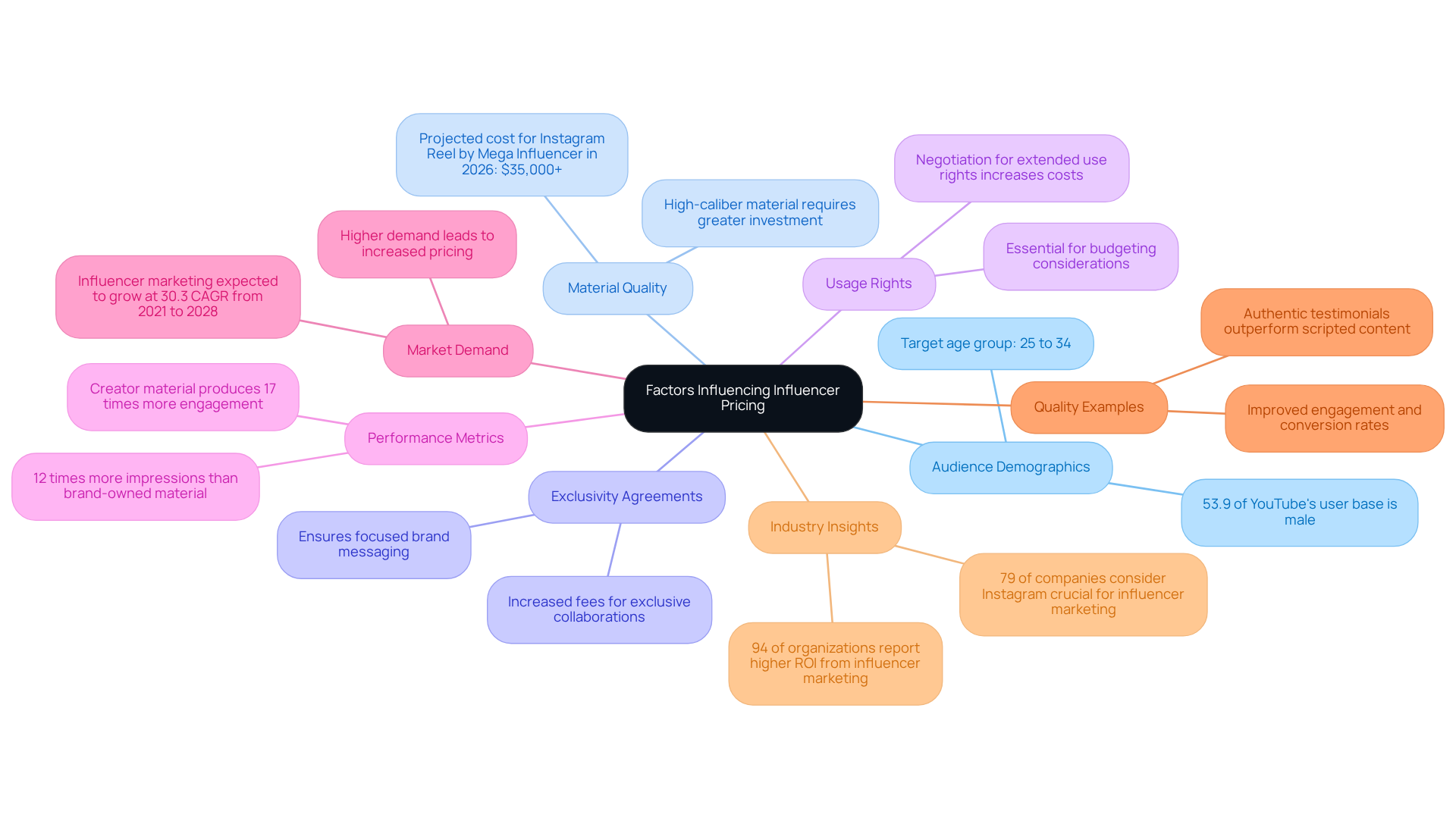
- : Understanding the demographics of an influencer's audience-such as age, gender, and location-can significantly help brands assess the potential reach and relevance of their campaigns. For instance, did you know that 53.9% of YouTube's user base is male, particularly in the 25 to 34 age range? This insight can inform targeted marketing strategies effectively.
- Material Quality: High-caliber material often necessitates a greater investment in production, which can raise a creator's fees. In fact, by 2026, the . This reflects the premium placed on well-produced content that resonates with audiences, making influencer post rates a crucial factor in determining quality.
- : When a brand requires exclusivity-meaning the content creator cannot collaborate with rival labels-this can lead to increased fees. Such exclusivity ensures that the influencer's audience remains focused on the brand's messaging, without dilution from competitors, enhancing the brand's impact.
- Usage Rights: Brands may need to negotiate usage rights for the material created, which can also affect pricing. Securing rights for extended use across various platforms can add to the overall cost, making it essential for brands to consider these factors in their budgeting.
- : Influencers who can showcase robust past performance indicators, such as conversion figures, may command higher fees due to their demonstrated effectiveness. Studies reveal that . This highlights the importance of successful collaborations in driving results.
- Market Demand: , especially when there are fewer influencers available. The marketing sector involving social media figures is anticipated to expand at a compound annual growth rate of 30.3% from 2021 to 2028, which will impact influencer post rates. This suggests that increasing expenses related to influencer post rates are making it a vital consideration for brands.
- Quality Examples: Campaigns featuring genuine testimonials and real individuals tend to outperform excessively refined, scripted material. This trend leads to , underscoring the significance of quality in partnerships with .
- Industry Insights: According to industry leaders, 79% of companies utilizing marketing through consider Instagram a crucial platform. This emphasizes the necessity for that aligns with audience expectations. As Stephen Titus, CEO of Faved, observes, companies should concentrate on which influencer material generates the highest sales at the lowest expense, strengthening the connection between quality and pricing.
Understand Influencer Pricing Models and Negotiation Strategies
The diverse highlight the importance of understanding these variations to empower brands in .
- Flat Rate: Many influencers choose a flat fee per post or campaign. While this method is straightforward, it may not accurately reflect the value delivered, particularly if the content performs exceptionally well or poorly.
- : This model ties compensation to specific . By aligning the influencer's incentives with the company's objectives, this approach can yield better . Engagement rates often matter more than follower count in this model, as they indicate real followers and a strong community connection.
- Commission-Based: Some influencers may work on a commission basis, earning a percentage of sales generated through their promotions. This model can be particularly effective for companies looking to drive direct sales.
- Tiered Pricing: Influencers frequently offer different pricing tiers based on the scope of work. For example, , reflecting the increased value and effort involved.
- : When entering negotiations, companies should start with a clear budget and a solid . Being open to discussing various compensation structures that align with both parties' goals can lead to mutually beneficial agreements. For instance, allocating 10-20% of the budget for rights and whitelisting can prevent unexpected costs later on, ensuring clarity on what is being purchased and how it will be used. Additionally, brands should negotiate for usage rights early in the process to avoid conflicts and fees later in the campaign. It's also crucial to note that Q4 holiday season prices can be 20-40% higher than other times of the year, which should be factored into budget planning.

Calculate and Negotiate Influencer Rates Effectively
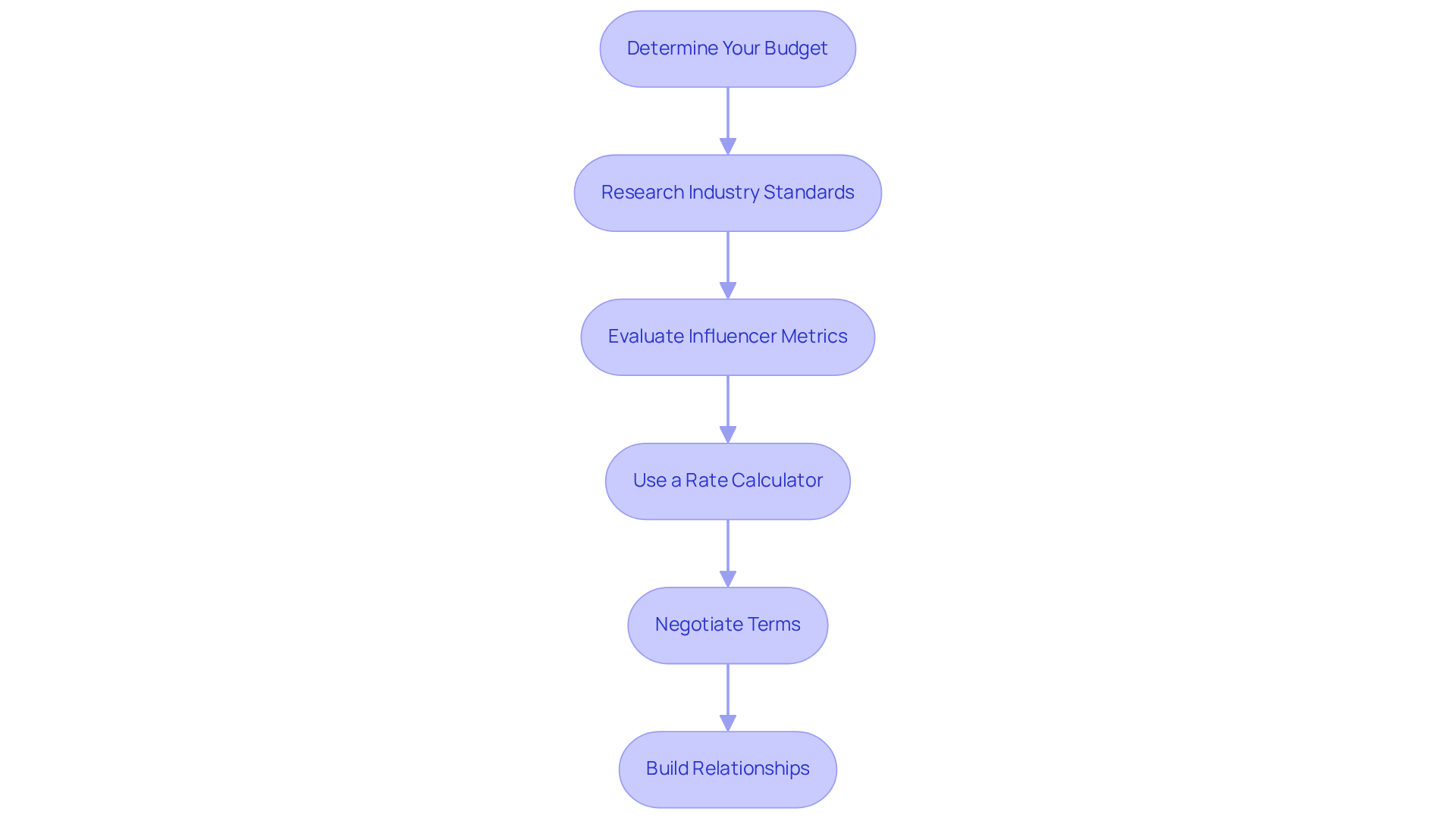
To effectively calculate and , follow these essential steps:
- Determine Your Budget: Start by establishing a clear budget for your . Don’t forget to account for all associated costs, including potential hidden expenses like licensing and paid amplification.
- Research industry standards by leveraging to understand typical costs for your target influencers. For 2026, , with 29.54% of all cost selections attributed to nano creators, underscoring their market prevalence. Mid-tier creators may range from $2,000 to $10,000, while influencer post rates for macro influencers can command $10,000 to $25,000 or more per post.
- Evaluate : Analyze key metrics such as . For instance, nano-influencers on TikTok often achieve engagement levels around 10.3%, making them invaluable for brands seeking genuine connections. This trend of prioritizing smaller creators for authenticity and community trust is increasingly relevant in today’s market.
- Use a Rate Calculator: Consider utilizing online tools that based on the metrics of the content creator and your campaign objectives. This approach ensures your offers remain competitive yet fair.
- Negotiate Terms: When approaching influencers, present a well-defined proposal that outlines not just the price but also deliverables, timelines, and usage rights. Be ready to justify your budget by referencing the influencer’s worth and prevailing market standards.
- : Cultivating positive relationships with influencers can significantly enhance negotiation outcomes and foster long-term partnerships, which are increasingly valuable in the evolving landscape of .
Conclusion
Understanding the nuances of influencer post rates is crucial for brands looking to optimize their marketing budgets and achieve effective campaign outcomes. In 2026, the interplay between follower count, engagement rates, content type, and other key factors significantly influences pricing structures in the influencer marketing landscape. By grasping these elements, brands can make informed decisions that align with their marketing goals.
What are the critical aspects that determine influencer pricing? Audience demographics, material quality, exclusivity agreements, and performance metrics all play a vital role. Furthermore, various pricing models - like flat rate, performance-based, and commission-based - offer flexibility in negotiations. Effective strategies for negotiating influencer rates, including establishing a clear budget and fostering relationships, are essential for securing mutually beneficial agreements.
Navigating the complexities of influencer marketing requires a strategic approach that considers both market dynamics and individual influencer capabilities. By leveraging insights on current influencer post rates and employing robust negotiation tactics, brands can enhance their marketing effectiveness and maximize their return on investment in influencer collaborations. Engaging with influencers thoughtfully not only elevates brand visibility but also fosters authentic connections with target audiences. This approach is a cornerstone of successful marketing strategies in 2026.
Frequently Asked Questions
What factors influence influencer marketing costs in 2026?
Influencer marketing costs are influenced by follower count, engagement rate, content type, influencer expertise in specialized areas, platform differences, and campaign scope.
How does follower count affect influencer pricing?
Influencers are categorized by follower count, with higher counts generally leading to increased post rates. For example, nano-influencers may charge $200 to $350 for Instagram posts, while mega-influencers can demand $20,000 or more.
What is the significance of engagement rate in influencer marketing?
Engagement rate measures how actively an influencer's audience interacts with their content. Influencers with higher engagement levels can justify higher post rates, as they typically deliver better campaign performance.
How does content type impact influencer marketing costs?
Different content formats, such as posts, stories, and videos, have varying production costs and engagement potential. For instance, micro-influencers may charge between $850 and $5,000 for Instagram Reels, which can be 20-30% more than standard posts due to higher engagement.
Do specialized influencers command higher rates?
Yes, influencers in specialized areas like finance or health often charge higher rates due to their targeted audience and expertise, which is particularly relevant in high-paying sectors.
How do costs differ across social media platforms?
Influencer post rates can vary significantly between platforms. For example, TikTok rates are typically 30-50% less than Instagram, allowing brands to engage more creators within the same budget.
What role does campaign scope play in influencer marketing costs?
The complexity and duration of the campaign impact costs. Longer-term partnerships or more extensive campaigns usually require higher post rates, but they can lead to improved engagement and conversion levels.
Why is it important for companies to understand influencer marketing costs?
Understanding these elements helps companies allocate funds efficiently for marketing campaigns involving content creators and negotiate reasonable prices with influencers.
List of Sources
- Explore the Fundamentals of Influencer Marketing Costs
- 85 vital influencer marketing statistics for your 2026 (https://iqfluence.io/public/blog/influencer-marketing-statistics)
- 14 Influencer Marketing Growth Statistics for 2026 (https://archive.com/blog/influencer-marketing-growth-statistics)
- Influencer Pricing Trends 2026: Costs & Budget Insights | GreaterThan (https://greaterthan.ai/influencer-pricing-trends-2026)
- influencermarketinghub.com (https://influencermarketinghub.com/influencer-rates)
- influenceflow.io (https://influenceflow.io/resources/influencer-pricing-benchmarks-complete-2026-guide-to-creator-rates)
- Identify Key Factors Influencing Influencer Pricing
- inc.com (https://inc.com/annabel-burba/how-much-influencer-marketing-really-costs-in-2026-and-why-50000-is-the-magic-number/91296288)
- Influencer ads emerge as buyers’ top ad priority for 2026 (https://emarketer.com/content/influencer-ads-emerge-buyers--top-ad-priority-2026)
- 40+ Influencer Marketing Stats for 2026 Strategy (https://driveresearch.com/market-research-company-blog/influencer-marketing-statistics)
- influenceflow.io (https://influenceflow.io/resources/influencer-pricing-benchmarks-complete-2026-guide-to-creator-rates)
- Influencer Pricing Trends 2026: Costs & Budget Insights | GreaterThan (https://greaterthan.ai/influencer-pricing-trends-2026)
- Understand Influencer Pricing Models and Negotiation Strategies
- influencity.com (https://influencity.com/blog/en/the-2026-influencer-rate-card-updated-benchmarks-for-every-platform)
- How Influencer Marketing Is Changing in 2026 (https://vogue.com/article/how-influencer-marketing-is-changing-in-2026)
- influenceflow.io (https://influenceflow.io/resources/influencer-pricing-benchmarks-complete-2026-guide-to-creator-rates)
- thesocialcat.com (https://thesocialcat.com/blog/influencer-pricing-benchmarks)
- Calculate and Negotiate Influencer Rates Effectively
- 85 vital influencer marketing statistics for your 2026 (https://iqfluence.io/public/blog/influencer-marketing-statistics)
- How Influencer Marketing Is Changing in 2026 (https://vogue.com/article/how-influencer-marketing-is-changing-in-2026)
- influencermarketinghub.com (https://influencermarketinghub.com/influencer-marketing-benchmark-report)
- Influencer Rates 2026: What to Pay and Charge by Platform & Tier (https://stan.store/blog/influencer-rates)
- influenceflow.io (https://influenceflow.io/resources/influencer-marketing-benchmarks-and-industry-comparisons-2026)