
Introduction
Online influencer marketing has transformed from a niche tactic into a cornerstone of successful marketing strategies, with an impressive 76% of Americans actively following influencers. This shift underscores not only the potential for brands to boost visibility but also the necessity of grasping the complex dynamics of influencer relationships.
As businesses aim to leverage this trend, a pressing question emerges: how can they effectively identify and engage the right influencers to cultivate authentic connections that influence consumer behavior?
By exploring proven practices in influencer marketing, brands can uncover significant opportunities to excel in this competitive landscape.
Understand Influencer Marketing and Its Impact
Online has transformed dramatically, evolving from a niche tactic into a cornerstone of modern marketing strategies. By 2025, it will be recognized not just for enhancing visibility but as a crucial element of the . Did you know that 76% of Americans actively follow prominent figures? Nearly half of these individuals have made purchases based on recommendations from these influencers. This trend underscores the necessity for companies to grasp the complexities of , including the various categories of these individuals, their levels of audience interaction, and their overall impact on .
Understanding these dynamics enables companies to craft that enhance the effectiveness of their , ultimately boosting in a competitive marketplace. As businesses increasingly invest in online , the focus shifts toward cultivating genuine connections that resonate with target audiences, thereby fostering trust and loyalty. Platforms like empower creators to monetize their passions through collaborations with reputable companies, ensuring fair compensation and respect for their craft.
In this evolving landscape, companies must not only adapt but also innovate. How can your brand leverage to stand out? By engaging with the right influencers and building , you can drive significant results. The time to act is now-embrace the power of online and watch your brand thrive.

Identify and Select the Right Influencers
To effectively identify and select the right for , companies must begin by clearly defining their and . This process involves a thorough analysis of audience demographics, interests, and behaviors to ensure alignment with the influencer's followers. Tools like HypeAuditor and Aspire can assist in whose content resonates with the company's values.
Furthermore, companies should prioritize over mere follower counts, as . For instance, a brand targeting a younger demographic might find success , who are increasingly becoming key players in partnerships due to their highly engaged audiences. In fact, over 52% of adults aged 18 to 29 report that their .
By focusing on authenticity and relevance, companies can forge partnerships in that yield greater returns on investment. Leading campaigns have been shown to achieve , as highlighted by industry experts. As Nic Dunn, CEO of Charle Agency, aptly states, "Utilizing the already-established credibility of , companies can reach new audiences that may have never encountered the name before and persuade them to buy their products."
In conclusion, by strategically selecting and emphasizing engagement, brands can not only enhance their visibility but also drive significant sales growth.

Build Authentic Relationships with Influencers
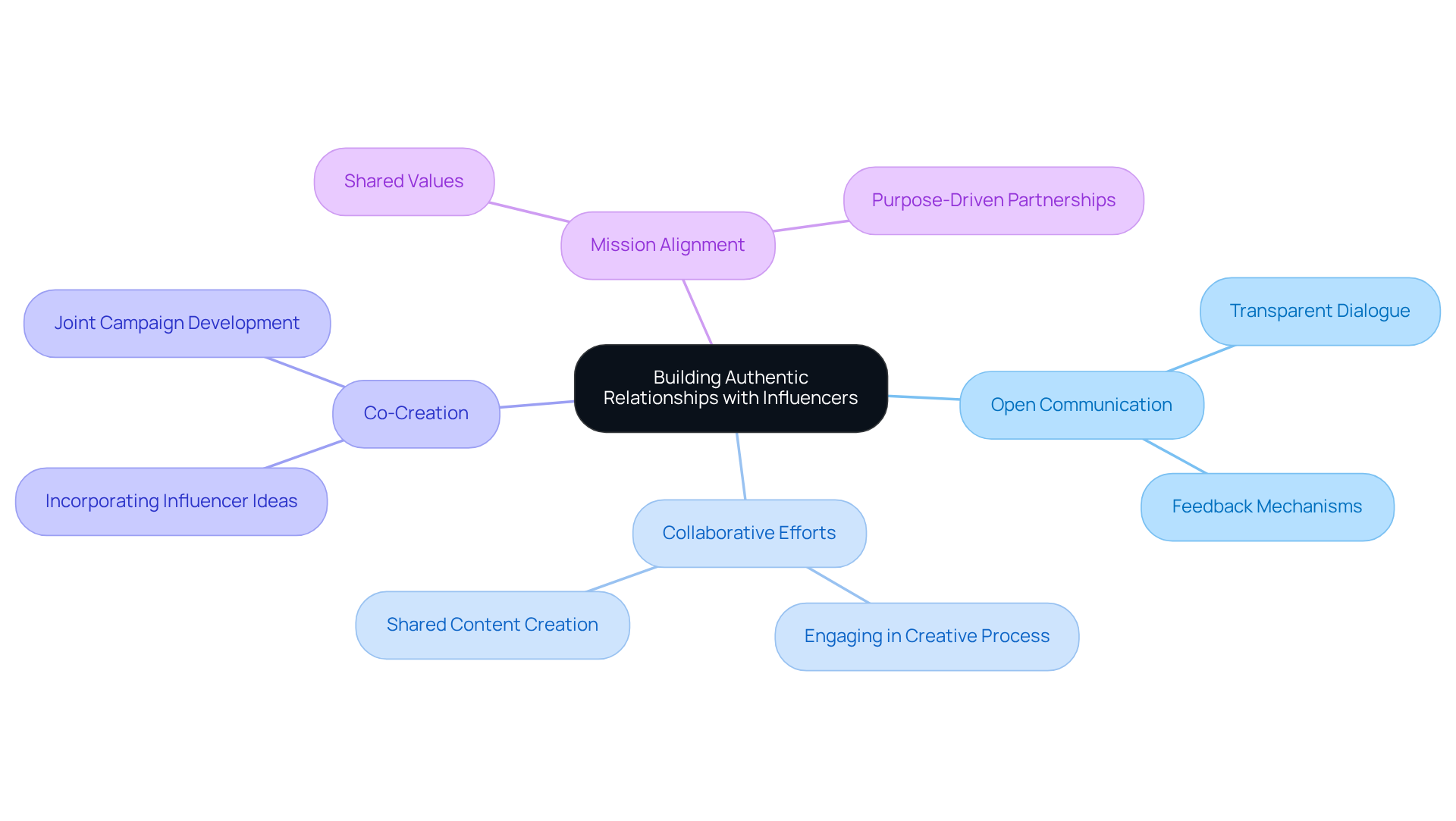
To cultivate , companies must . Engaging influencers in the allows them to infuse their unique perspectives and ideas into the content, enhancing its authenticity and fostering a sense of ownership. Co-creation not only strengthens the connection between companies and influencers but also aligns their missions and values, which is essential for .
In 2026, , emphasizing the importance of collaboration. For instance, consider a cosmetics company teaming up with an influencer who champions . This collaboration can create content that resonates deeply with both audiences, reflecting . , making mission alignment crucial.
By investing in these connections, companies can foster trust and loyalty, ultimately resulting in more impactful and effective initiatives. This approach is increasingly vital in 2026, as the landscape shifts towards deeper, more meaningful that prioritize . Are you ready to embrace this shift and enhance your brand's influence?
Measure and Optimize Campaign Performance
To effectively assess and enhance marketing efforts, companies must establish clear key performance indicators (KPIs) that go beyond basic metrics. - such as engagement rates, reach, conversions, and contribution margins - offer a comprehensive view of . By employing advanced analytics tools, companies can gain valuable insights into how audiences interact with content creators, facilitating . For example, monitoring UTM parameters can reveal the specific traffic generated from , helping companies evaluate the effectiveness of their collaborations.
Post-campaign analyses are vital for understanding which strategies succeeded and identifying areas for improvement. This iterative approach allows companies to consistently refine their strategies, ensuring that each initiative builds on the successes of previous efforts. As we look ahead to 2026, companies are increasingly focusing on , prioritizing profitability and assessing campaigns based on their contribution margin. With becoming a , surpassing traditional media, this shift is particularly significant. By aligning promotional strategies with these performance metrics, brands can enhance their effectiveness and achieve superior results over time.
Moreover, the average ROI for is striking, with companies earning approximately $5.78 for every dollar invested. The effective ROI from brand advocates can range from 5:1 to 20:1, depending on the sector and type of initiative, underscoring the importance of evaluating not just engagement but also the financial impact of partnerships. As the landscape evolves, brands that leverage to optimize their online influencer marketing performance will be better positioned to navigate the complexities of the digital marketplace. Additionally, establishing clear KPI hierarchies that prioritize metrics aligned with business objectives is crucial for maximizing campaign effectiveness.

Conclusion
Influencer marketing has become a pivotal force in today’s marketing landscape, evolving into a crucial strategy for brands looking to boost visibility and cultivate enduring customer relationships. With consumer behavior increasingly swayed by influencer recommendations, grasping the intricacies of this marketing approach is essential for companies aiming to excel in a competitive arena.
Key insights from this article underscore the necessity of:
- Choosing the right influencers
- Fostering authentic relationships
- Evaluating campaign performance through clear metrics
By setting defined campaign goals, utilizing analytical tools, and collaborating with influencers, brands can refine their marketing strategies and realize substantial returns on investment. The trend towards deeper partnerships and data-driven tactics emphasizes the need for brands to adapt to the shifting marketplace.
As the influencer marketing sector continues to expand, adopting these best practices will enable brands to connect with their target audiences effectively, drive sales, and build trust. The time to leverage the potential of influencer marketing is now. By investing in genuine partnerships and concentrating on measurable outcomes, brands can position themselves for success in this dynamic environment.
Frequently Asked Questions
What is influencer marketing?
Influencer marketing is a strategy that involves collaborating with individuals who have a significant following on social media or other online platforms to promote products or services.
How has influencer marketing changed over time?
Influencer marketing has evolved from a niche tactic into a fundamental aspect of modern marketing strategies, becoming essential for enhancing visibility and influencing the customer journey.
What percentage of Americans follow influencers?
Approximately 76% of Americans actively follow prominent figures or influencers.
How do influencers impact consumer purchasing decisions?
Nearly half of individuals who follow influencers have made purchases based on their recommendations, highlighting the influence these figures have on consumer behavior.
Why is it important for companies to understand influencer marketing?
Understanding influencer marketing allows companies to develop tailored strategies that enhance the effectiveness of their promotional campaigns, improving visibility and credibility in a competitive market.
What role do platforms like NugVerse play in influencer marketing?
Platforms like NugVerse help creators monetize their passions through collaborations with reputable companies, ensuring fair compensation and respect for their work.
What should brands focus on to leverage influencer marketing effectively?
Brands should engage with the right influencers and build authentic relationships to drive significant results and foster trust and loyalty among their target audiences.
What is the future outlook for influencer marketing?
By 2025, influencer marketing is expected to be recognized as a crucial element of the customer journey, emphasizing the need for companies to adapt and innovate in their marketing strategies.
List of Sources
- Understand Influencer Marketing and Its Impact
- How Influencer Marketing Is Changing in 2026 (https://vogue.com/article/how-influencer-marketing-is-changing-in-2026)
- 26 Fascinating Influencer Marketing Statistics for 2026 (https://backlinko.com/influencer-marketing-stats)
- The State of Influencer Marketing in 2026 | Moburst (https://moburst.com/blog/the-state-of-influencer-marketing-in-2026-what-brands-need-to-know)
- togetheragency.co.uk (https://togetheragency.co.uk/news/influencer-marketing-trends-for-2026)
- How Influencer Marketing Is Moving Into Scalable Performance Channels (https://forbes.com/councils/forbesagencycouncil/2026/02/09/beyond-the-feed-the-evolution-of-influencer-marketing-into-scalable-performance-channels)
- Identify and Select the Right Influencers
- 50+ Influencer Marketing Statistics USA (2026) | Charle (https://charleagency.com/articles/influencer-marketing-statistics)
- How Influencer Marketing Is Changing in 2026 (https://vogue.com/article/how-influencer-marketing-is-changing-in-2026)
- The State of Influencer Marketing in 2026 | Moburst (https://moburst.com/blog/the-state-of-influencer-marketing-in-2026-what-brands-need-to-know)
- later.com (https://later.com/blog/top-influencer-trends-2026-how-brands-should-respond)
- 14 Influencer Marketing Growth Statistics for 2026 (https://archive.com/blog/influencer-marketing-growth-statistics)
- Build Authentic Relationships with Influencers
- How Influencer Marketing Is Changing in 2026 (https://vogue.com/article/how-influencer-marketing-is-changing-in-2026)
- Influencer Marketing in 2026: The Six Shifts Redefining Culture, Creativity and Commercial Influence - B. The Communications Agency (https://bthecommunicationsagency.com/news/influencer-marketing-in-2026-the-six-shifts-redefining-culture-creativity-and-commercial-influence)
- togetheragency.co.uk (https://togetheragency.co.uk/news/influencer-marketing-trends-for-2026)
- 18 Ways Brand-Creator Partnerships Could Evolve In 2026 (https://forbes.com/councils/forbescommunicationscouncil/2026/01/07/18-ways-brand-creator-partnerships-could-evolve-in-2026)
- Measure and Optimize Campaign Performance
- finance.yahoo.com (https://finance.yahoo.com/news/revenue-first-influencer-campaigns-redefine-121500327.html)
- From Hype to Discipline: The New World of Influencer Marketing | Case Study (https://businessoffashion.com/case-studies/marketing-pr/influencer-marketing-reset-strategy-performance-case-study)
- Firework | Mastering Metrics: Essential KPIs for Your Influencer Marketing Campaign in 2026 (https://firework.com/blog/kpis-influencer-marketing-campaign)
- The State of Influencer Marketing in 2026 | Moburst (https://moburst.com/blog/the-state-of-influencer-marketing-in-2026-what-brands-need-to-know)