
Introduction
Crafting a successful marketing strategy requires more than just a creative spark; it demands a structured approach that aligns goals with actionable steps. A well-defined written marketing plan serves as a critical roadmap, guiding brands through the complexities of today’s competitive landscape. But how can businesses ensure their marketing efforts resonate with their target audience and adapt to shifting market dynamics? This article unveils seven essential steps to create a comprehensive written marketing plan that clarifies objectives, maximizes impact, and enhances return on investment.
Define Your Marketing Plan
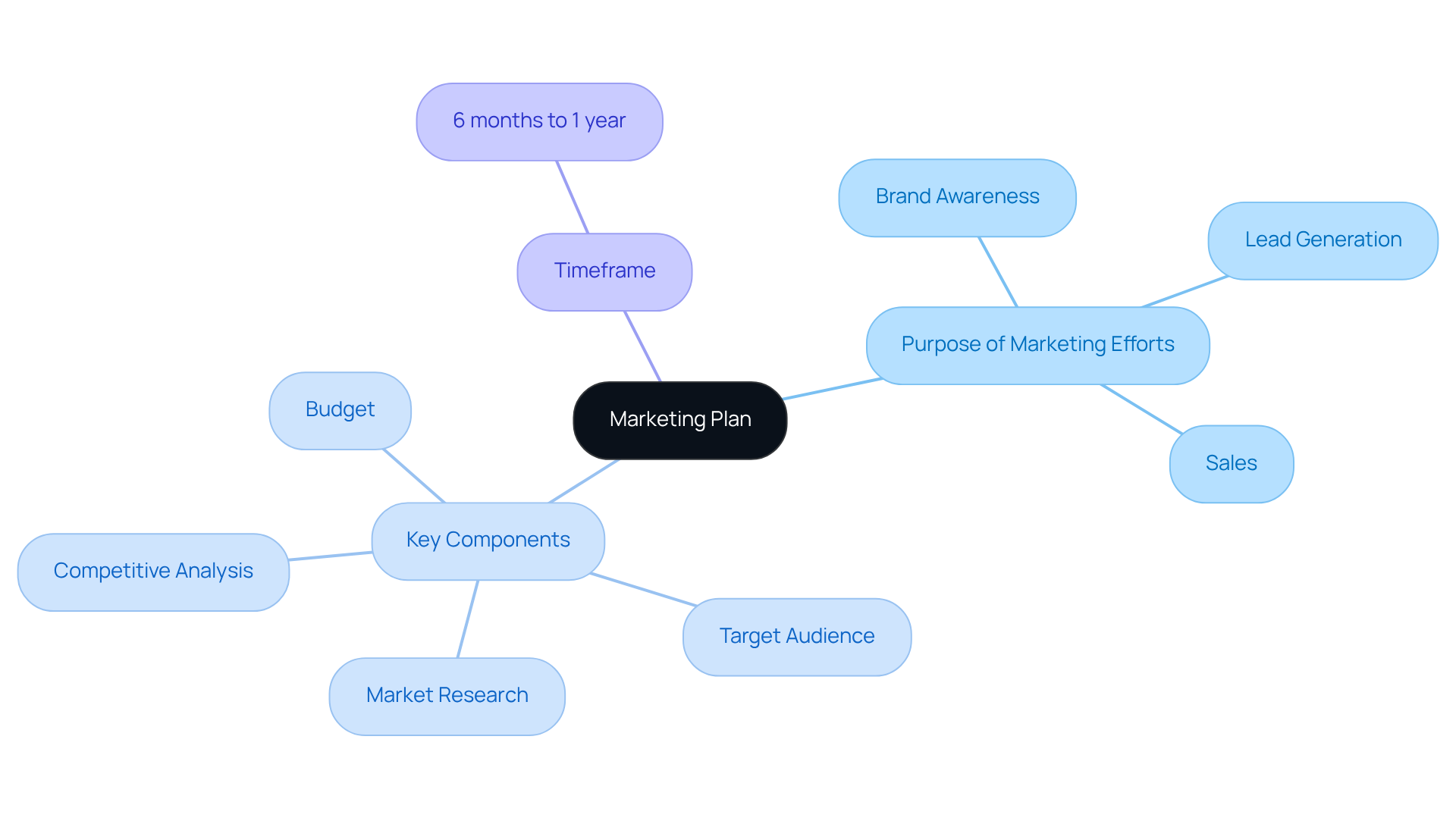
A written marketing plan example serves as a strategic blueprint, outlining your objectives, strategies, and tactics for a defined period. To effectively craft your marketing plan, consider these essential components:
- : Clearly identify your primary goal-whether it’s to enhance brand awareness, generate leads, or drive sales. This focus will shape your overall strategy.
- : Incorporate vital elements such as , , competitive analysis, and budget considerations. These components are crucial for in which your brand operates.
- Timeframe: Define the , typically spanning six months to a year. This timeframe helps in setting realistic expectations and measuring success.
Defining your not only creates a structured roadmap for your activities but also aligns your team towards shared objectives. In a landscape where and one-third of consumers are predicted to abandon B2C companies due to price increases, having a well-defined plan is more crucial than ever. It guarantees that every promotional dollar is utilized efficiently, and cultivating customer loyalty amidst economic challenges.
As brands increasingly pursue authenticity and community involvement, and market dynamics. Furthermore, with the expected decrease in measurement confidence among advertisers, having a structured will be essential in effectively tackling these challenges.
Establish Clear Marketing Goals
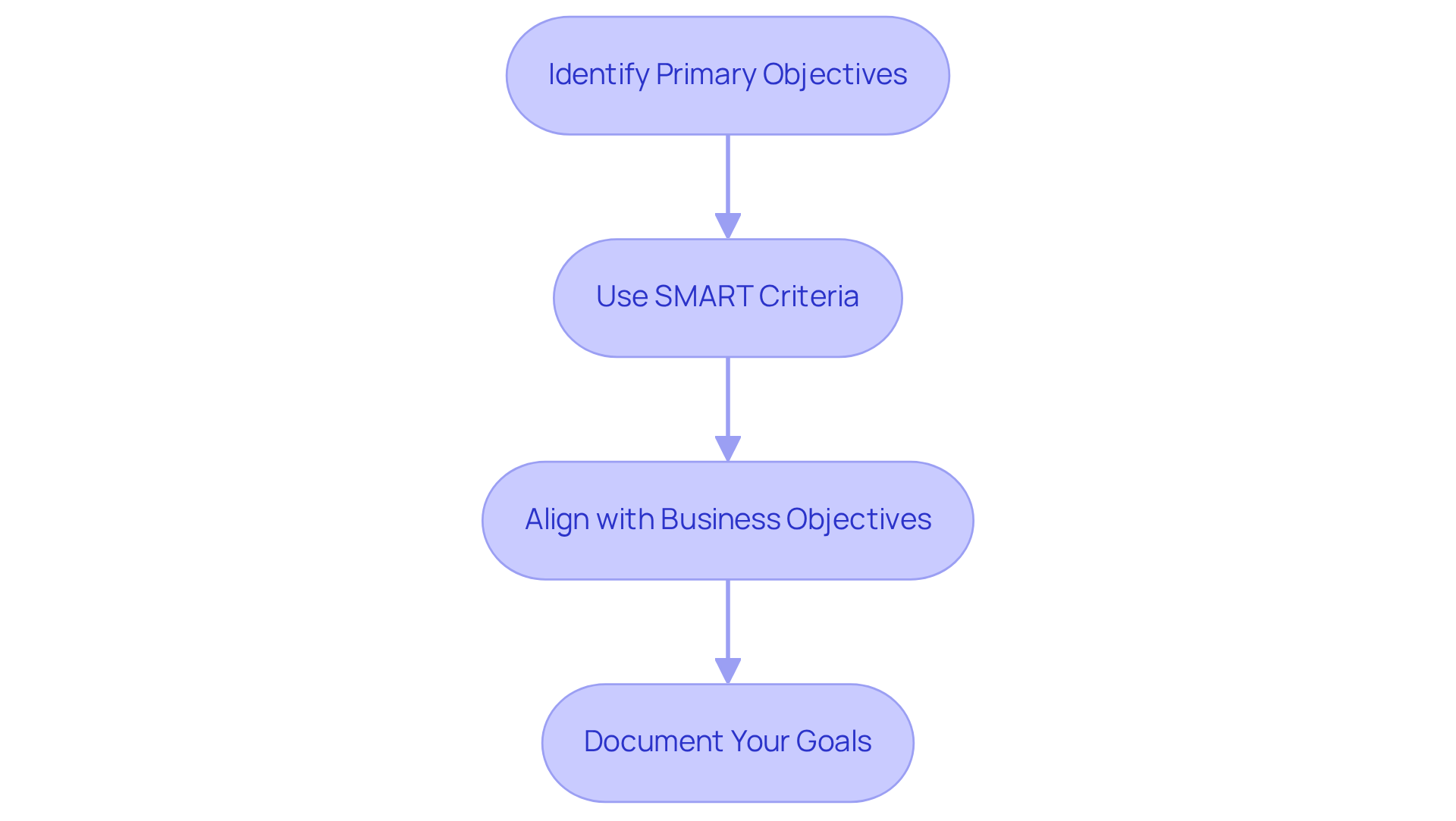
To establish , follow these steps:
- Identify your primary objectives. What do you want to achieve? Consider goals like by 20% or generating 500 new leads. For instance, brands have successfully set objectives such as boosting Instagram engagement from 4% to 5% in just 30 days by publishing 15 high-quality images and videos optimized with relevant hashtags.
- Use the SMART criteria. Your goals should be . Instead of saying ',' specify '.' This method has proven effective; , and 92% of advertisers view it as a crucial element of their strategy, highlighting the importance of measurable results.
- . Ensure your promotional objectives align with the overall business plan, such as launching a new product or entering a new market. For example, a brand might aim to improve its Net Promoter Score (NPS) by 2 points for the calendar year to enhance its referral rate by 10%.
- . Write them down and share them with your team to ensure everyone is aligned. This practice fosters accountability and aids in tracking progress, as evidenced by successful campaigns that generated 10,000 new leads through gated content, webinars, and lead magnets by Q4.
Identify Your Audience and Competitors
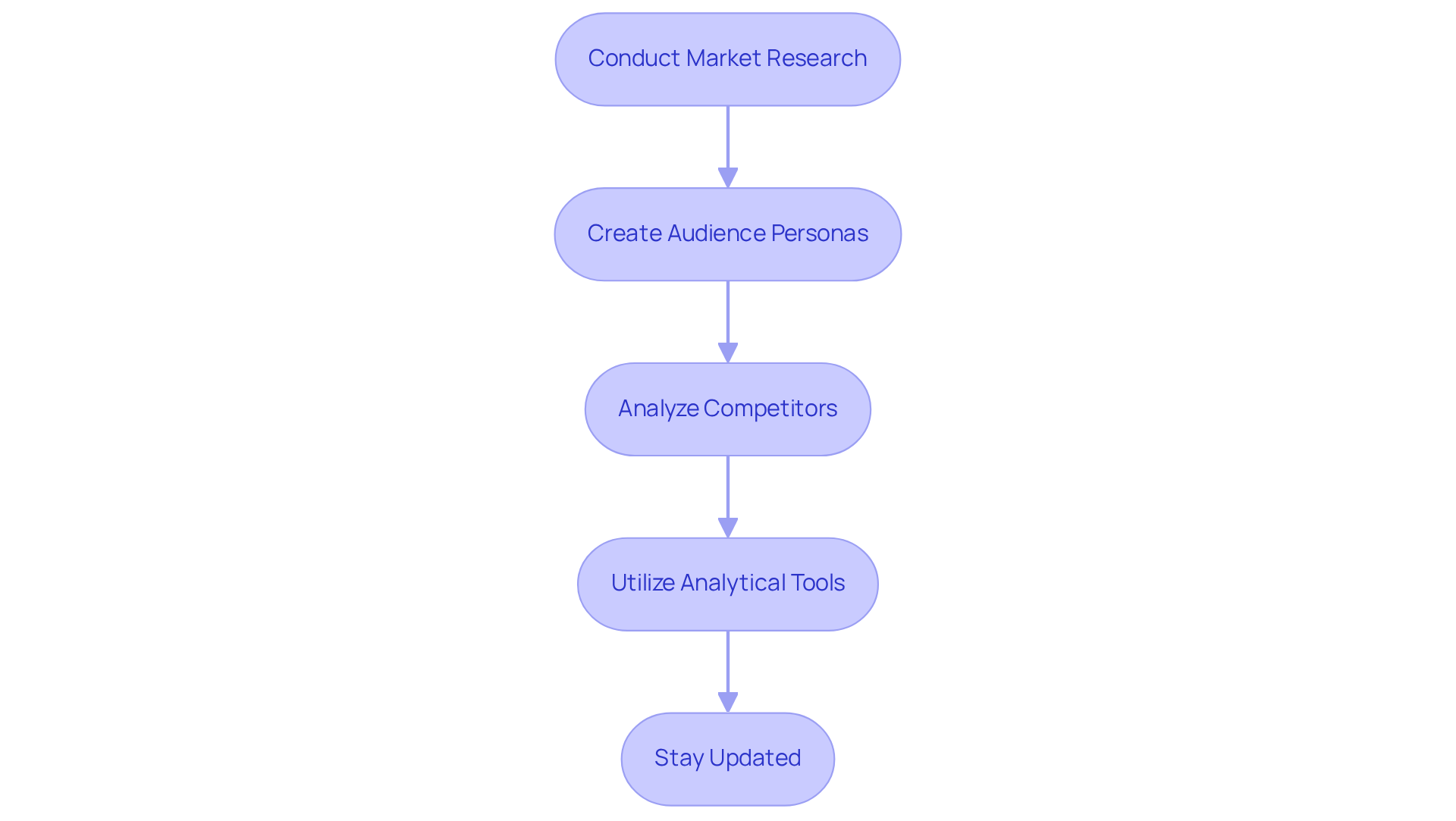
To effectively [identify your audience and competitors](How to Choose UGC Creators for Effective Paid Ads), follow these essential steps:
- . Start by utilizing a combination of surveys, interviews, and analytics tools to gather comprehensive data on your 's demographics, preferences, and behaviors. This foundational step is crucial for understanding market dynamics and consumer needs. Incorporate insights from the and U.S. Census Bureau to gain a broader perspective on market trends.
- . Develop detailed profiles of your ideal customers, incorporating key attributes such as age, gender, interests, and pain points. These personas will guide your and ensure that your messaging resonates with your . Remember, trust, relevance, and consistency are vital for visibility in today's competitive market.
- . Identify your primary competitors and assess their strengths and weaknesses. Examine their , customer engagement tactics, and product offerings to uncover opportunities for differentiation and enhancement. Don’t overlook indirect or secondary competitors that may influence your market position.
- . Leverage platforms like Google Analytics, SEMrush, and social media insights to gather actionable data on audience behavior and competitor performance. These tools provide valuable metrics that can guide your promotional decisions. Additionally, consider how AI tools can enhance your target market analysis by offering deeper insights and faster data processing.
- . Regularly review and refine your audience and competitor analysis to remain responsive to market changes. Continuous adaptation is essential for maintaining relevance and effectiveness in your promotional efforts.
Set Your Marketing Budget
To effectively set your , consider these essential steps:
- Review Past Performance. Examine prior to identify effective strategies and areas for enhancement. This data-focused method is crucial; in fact, . By leveraging this data, you can make informed decisions that drive success.
- Establish Your Overall Financial Plan. Create a clear financial plan aligned with your business objectives and current economic conditions. With the typical company allocating around , it’s vital to align your financial strategy with industry norms to maintain a competitive edge.
- . Distribute your funds across various promotional channels - like social media, email, and content - based on their proven effectiveness. For instance, 61% of marketers prioritize generating traffic and leads, underscoring the importance of investing in channels that deliver the best results. Notably, B2B companies allocate about , highlighting its significance in your financial distribution.
- . Set aside a portion of your budget for unforeseen expenses or opportunities that may arise during your campaigns. This flexibility allows you to adapt to changing market conditions and seize new trends as they emerge.
- . Regularly assess your expenses and modify your financial plan as necessary to stay aligned with your promotional objectives. Ongoing observation is critical; 69% of promotional expenditures focus on short-term results, which can overlook long-term growth. By being proactive, you can enhance your promotional efforts and maximize ROI. Furthermore, 88% of businesses are maintaining or increasing their in 2025, reinforcing the need for brands to invest in this vital area.

Choose Your Marketing Channels and Tactics
Choosing the right is crucial for your success as outlined in a . Where does your audience spend their time? Research the platforms - be it , email, or search engines - that your target audience frequents most. This foundational step sets the stage for creating .
Next, evaluate the effectiveness of each channel. to pinpoint where your efforts will yield the best results. This ensures that your is based on reality.
Select a diverse mix of channels. A comprehensive should incorporate various channels. For example, leverage for brand awareness while utilizing email outreach for nurturing leads. This blend serves as a that maximizes your reach and impact.
Develop . In your , clearly outline the actions you’ll take within each channel. Whether it’s running or crafting engaging content for Instagram, specificity is key to execution.
Finally, test and optimize your strategies. Implement A/B testing to discover which tactics deliver the best outcomes. Be prepared to modify your approach based on these insights, ensuring continuous improvement in your marketing efforts.

Outline Responsibilities and Assignments
To effectively [outline responsibilities and assignments](Master Influencer Campaign Management: Key Practices for Success) in your marketing plan, follow these essential steps:
- Identify . Recognizing the essential roles for your is crucial. This includes , , and data analysts. Research shows that teams with diverse expertise perform better, enhancing creativity and insight. Ideally, your team should consist of three to nine members, optimizing collaboration and effectiveness.
- Assign tasks. Clearly define and allocate specific tasks to each team member based on their strengths and expertise. For example, assign to a skilled writer and social media management to a specialist. This targeted approach can lead to a remarkable 25% improvement in performance, as effective .
- Set deadlines. Establish clear timelines for each task to keep your on track. Utilizing can and ensure everyone is informed, addressing the 63% of workers who report wasting time due to unclear requests.
- Encourage collaboration. Create an environment that promotes among team members. Engaged teams are 21% more profitable, and fostering a culture of collaboration significantly enhances job satisfaction and retention. Moreover, employees who engage in collaborative work focus on tasks 64% longer than those working alone, leading to higher engagement and better outcomes.
- Review regularly. Schedule consistent check-ins to assess progress and make necessary adjustments. Regular evaluations not only keep everyone aligned with promotional goals but also help identify areas for enhancement. A staggering 97% of employees believe that misalignment affects project outcomes. Remember, 86% of respondents attribute workplace failures to a lack of collaboration, making it crucial to address these issues promptly.

Track Performance and Review Analytics
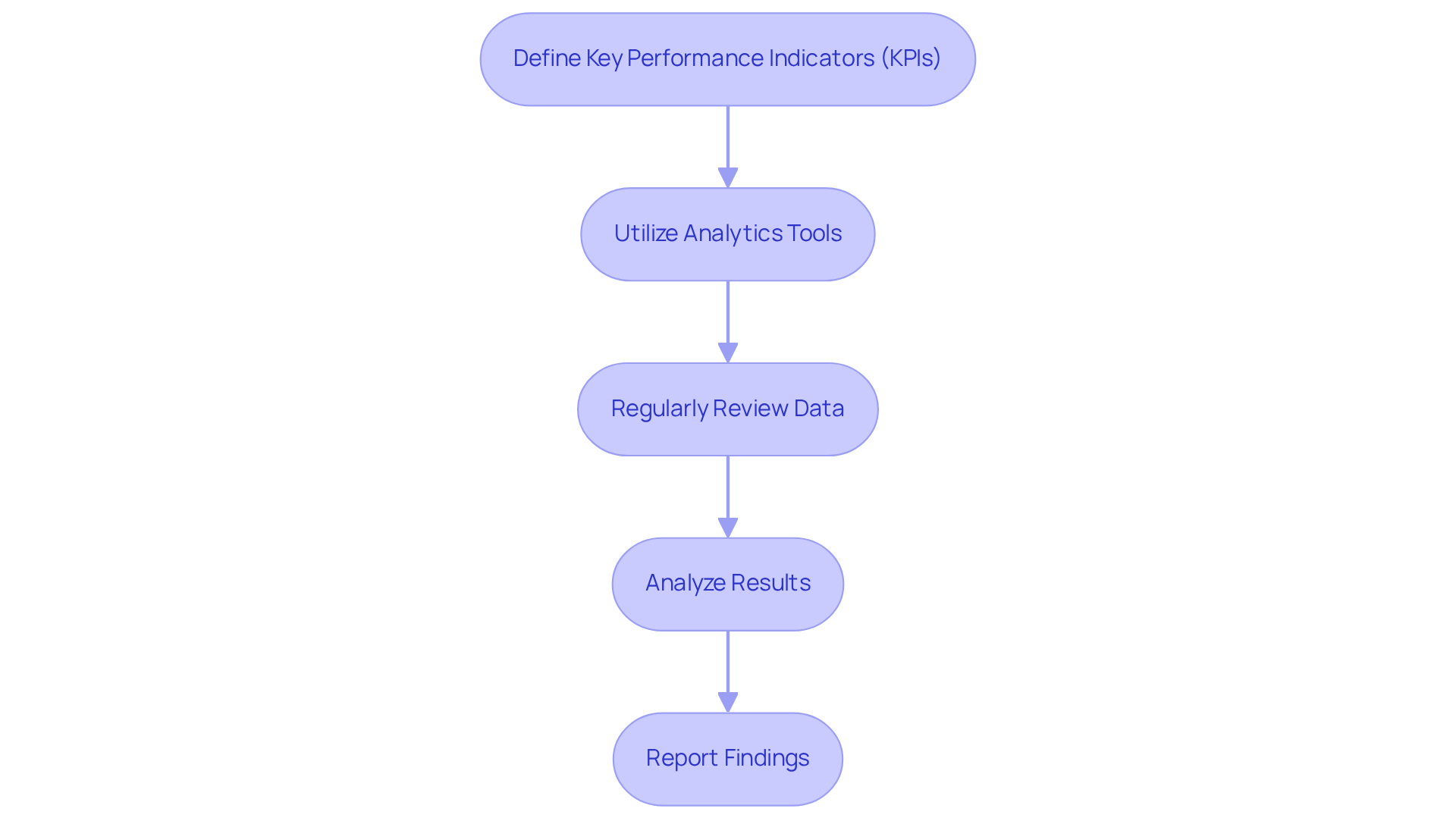
To effectively [track performance and review analytics](Master How to Measure UGC Ad Performance in 4 Simple Steps), follow these essential steps:
- Define . Establish the metrics that will gauge the success of your promotional initiatives, such as , website traffic, and engagement rates. For instance, brands like DoorDash have seen significant improvements in by focusing on specific KPIs. HubSpot reports that nearly two out of three marketers prioritize as a top KPI, underscoring its importance.
- Utilize . Leverage tools like Google Analytics, social media insights, and CRM software to gather information on your promotional performance. Recent advancements in , including Google Analytics 4, provide improved capabilities for tracking user journeys and optimizing promotional approaches. Data-driven organizations are 6% more profitable than their competitors, highlighting the benefits of utilizing these tools effectively.
- . Schedule regular assessments of your analytics-weekly or monthly-to evaluate the effectiveness of your marketing approaches. This practice is crucial, as 83% of marketers cite as their top challenge, emphasizing the need for regular data assessment. Organizations that actively track and analyze their campaign performance metrics are 2.3 times more likely to exceed their revenue goals.
- . Identify trends and patterns within the data to discern what strategies are effective and which require adjustment. For example, brands leveraging AI-driven analytics have reported improved decision-making and campaign performance, illustrating how technology can enhance outcomes.
- Report Findings. Share performance insights with your team to promote transparency and collaboration in the promotional process. This method not only keeps everyone updated but also fosters a culture of ongoing enhancement, crucial for adapting to the fast-paced business environment.
By implementing these steps, brands can enhance their marketing effectiveness and drive measurable growth.
Conclusion
Creating a comprehensive written marketing plan is essential for any brand aiming for success in a competitive landscape. By clearly defining objectives, identifying target audiences, and establishing budgets, businesses can navigate the complexities of marketing with confidence. A well-structured marketing plan serves not only as a roadmap but also as a tool for aligning team efforts towards common goals, ensuring every action taken is purposeful and measurable.
Throughout this article, we outlined key steps to guide the development of an effective marketing plan. From establishing clear marketing goals using the SMART criteria to identifying audience personas and analyzing competitors, each component plays a crucial role in shaping a successful strategy. Furthermore, setting a realistic budget and choosing the right marketing channels enhance the effectiveness of promotional efforts. Regularly tracking performance and reviewing analytics ensures that strategies can be adjusted in real-time, maximizing return on investment.
Ultimately, the significance of a structured marketing plan cannot be overstated. It not only prepares brands to face economic challenges but also fosters a culture of accountability and continuous improvement. By implementing these strategies, businesses can enhance their marketing effectiveness, engage their target audience more meaningfully, and drive measurable growth. Embracing these steps is not just about keeping pace; it’s about setting the stage for long-term success in an ever-evolving market.
Frequently Asked Questions
What is the purpose of a written marketing plan?
A written marketing plan serves as a strategic blueprint that outlines your objectives, strategies, and tactics for a defined period, helping to shape your overall marketing efforts.
What are the key components of an effective marketing plan?
Key components include identifying the purpose of marketing efforts, conducting market research, defining the target audience, performing competitive analysis, and considering budget constraints.
What timeframe should a marketing plan typically cover?
A marketing plan typically spans six months to a year, which helps in setting realistic expectations and measuring success.
Why is having a well-defined marketing plan crucial in today's economic climate?
A well-defined marketing plan is crucial as it ensures efficient use of promotional dollars, maximizes return on investment, and helps cultivate customer loyalty, especially in light of tighter budgets and changing consumer behaviors.
How can brands establish clear marketing goals?
Brands can establish clear marketing goals by identifying primary objectives, using the SMART criteria (Specific, Measurable, Achievable, Relevant, Time-bound), aligning goals with business objectives, and documenting these goals for team alignment.
What does the SMART criteria entail for setting marketing goals?
The SMART criteria require that goals be Specific, Measurable, Achievable, Relevant, and Time-bound, which helps in creating clear and actionable objectives.
How can documenting marketing goals benefit a team?
Documenting marketing goals fosters accountability and aids in tracking progress, ensuring that the entire team is aligned and aware of their objectives.
List of Sources
- Define Your Marketing Plan
- searchenginejournal.com (https://searchenginejournal.com/top-10-digital-marketing-trends/558503)
- wfanet.org (https://wfanet.org/knowledge/item/2025/12/12/10-marketing-trends-to-watch-out-for-in-2026)
- marketingdive.com (https://marketingdive.com/news/will-2026-be-more-volatile-for-marketing-heres-what-the-numbers-say/807701)
- 23 Marketing Statistics To Drive Your Strategy | NYTLicensing (https://nytlicensing.com/latest/trends/marketing-statistics-drive-your-strategy)
- Establish Clear Marketing Goals
- pepperlandmarketing.com (https://pepperlandmarketing.com/blog/marketing-goal-examples)
- northessexchamber.com (https://northessexchamber.com/2025/12/30/planning-for-2026-setting-smart-goals-for-business-growth)
- How to define SMART marketing objectives (with example RACE KPIs) (https://smartinsights.com/goal-setting-evaluation/goals-kpis/define-smart-marketing-objectives)
- 13 Critical Marketing Goals to Achieve Your Objectives (https://ama.org/marketing-news/13-critical-marketing-goals-to-achieve-your-objectives)
- seo.com (https://seo.com/blog/digital-marketing-statistics)
- Identify Your Audience and Competitors
- Market research and competitive analysis (https://sba.gov/business-guide/plan-your-business/market-research-competitive-analysis)
- driveresearch.com (https://driveresearch.com/market-research-company-blog/target-market-analysis-how-to-find-your-target-audience)
- How Audience Insights Will Shape Performance Marketing in 2026 (https://amsive.com/insights/strategy/how-audience-insight-will-shape-performance-marketing-in-2026)
- scala.uk.com (https://scala.uk.com/news-and-insights/article/marketing-strategy-and-the-effective-use-of-marketing-personas)
- Target Market Analysis in 2026 (How to Identify Customers) (https://bigcommerce.com/articles/ecommerce/target-market-analysis)
- Set Your Marketing Budget
- marketingltb.com (https://marketingltb.com/blog/statistics/media-buying-statistics)
- One moment, please... (https://upflip.com/reports/small-business-marketing-budget-statistics)
- amraandelma.com (https://amraandelma.com/budget-products-marketing-statistics)
- moosend.com (https://moosend.com/blog/marketing-quotes)
- 180+ Powerful Digital Marketing Statistics for 2026 - WordStream (https://wordstream.com/blog/ws/2022/04/19/digital-marketing-statistics)
- Choose Your Marketing Channels and Tactics
- searchenginejournal.com (https://searchenginejournal.com/top-10-digital-marketing-trends/558503)
- 7 social media trends you need to know in 2026 (https://sproutsocial.com/insights/social-media-trends)
- Key Social Media Marketing Statistics for 2025 | Sprinklr (https://sprinklr.com/blog/social-media-marketing-statistics)
- 2026 Marketing Statistics, Trends, & Data (https://hubspot.com/marketing-statistics)
- How to Build a Winning Social Media Strategy in 8 Simple Steps (https://ama.org/marketing-news/social-media-marketing-strategy)
- Outline Responsibilities and Assignments
- culturemonkey.io (https://culturemonkey.io/employee-engagement/cross-team-collaboration)
- Collaboration Counts: Eye-Opening Teamwork Statistics for 2025 | Runn (https://runn.io/blog/teamwork-statistics)
- amraandelma.com (https://amraandelma.com/team-building-marketing-statistics)
- Task management statistics you need to know (2026) (https://breeze.pm/blog/task-management-statistics)
- swebdevelopment.com (https://swebdevelopment.com/the-role-of-successful-team-dynamics-how-team-collaboration-in-marketing-drives-results)
- Track Performance and Review Analytics
- owox.com (https://owox.com/blog/articles/digital-marketing-metrics-and-kpis)
- martech.org (https://martech.org/topic/marketing-analytics)
- 15 Essential Digital Marketing KPIs to Track in 2026 (https://aidigital.com/blog/digital-marketing-kpi)
- 2026 Marketing Statistics, Trends, & Data (https://hubspot.com/marketing-statistics)
- 20 marketing KPIs to track & improve in 2026 (https://semrush.com/blog/kpi-marketing)