
Introduction
User-Generated Content (UGC) has emerged as a formidable force in the digital marketing landscape, fundamentally transforming how brands engage with consumers. By tapping into the creativity and authenticity of their audience, brands can cultivate unprecedented levels of trust and drive engagement. However, the real challenge lies in effectively creating and managing a UGC portfolio that not only showcases this valuable content but also aligns seamlessly with the brand's identity and objectives.
How can brand managers leverage this potential to gain a strategic advantage that resonates with their target audience and fosters a vibrant community? This question is crucial as it invites brand leaders to rethink their approach and consider the immense possibilities that UGC presents.
Define User-Generated Content (UGC) and Its Importance
(UGC) is any content - images, videos, reviews, or testimonials - created by consumers rather than companies. This type of content is increasingly vital in digital marketing, as it fosters authenticity and trust. Did you know that 79% of consumers ? This statistic underscores , showcasing real customer experiences and opinions that can significantly influence potential buyers.
For brand managers, understanding UGC's that resonate with audiences and drive engagement. By leveraging UGC, brands can create a more relatable and trustworthy image, ultimately enhancing their connection with consumers. In addition, can lead to higher conversion rates and customer loyalty.
As you consider your marketing approach, ask yourself: how to create UGC and integrate it into your strategy? Engaging with your audience through their content not only builds trust but also encourages a community around your brand. Embrace and connect more deeply with your customers.

Create Your UGC Portfolio: Step-by-Step Process
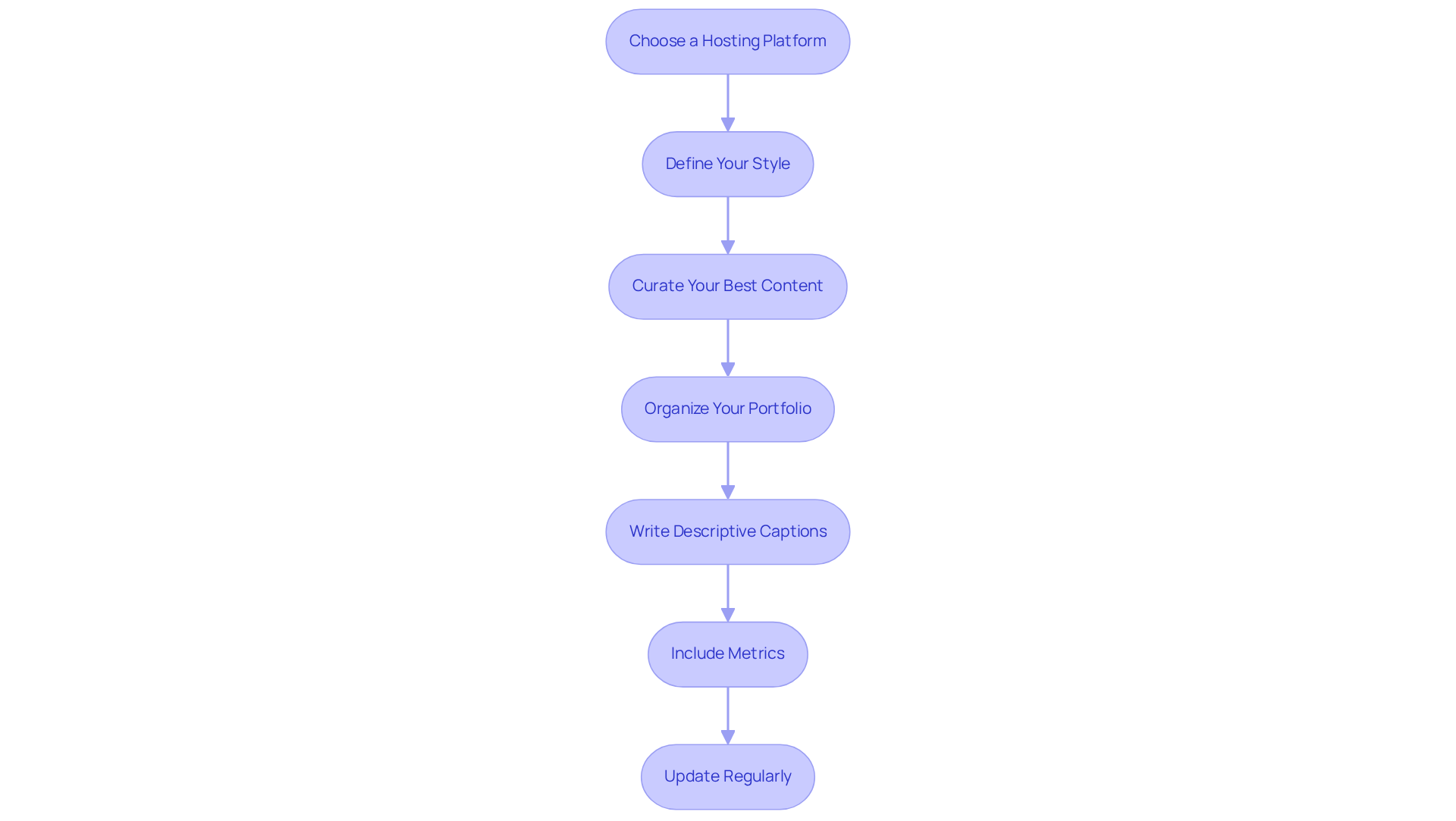
- Choose a Hosting Platform: Understanding how to create is crucial for effectively showcasing your . Consider options like dedicated websites, social media profiles, or portfolio sites such as Behance or Adobe Portfolio. A visually appealing and user-friendly platform can significantly boost engagement; in fact, .
- Define Your Style: Establishing a consistent visual and thematic style that aligns with your identity is essential. This includes choosing color schemes, fonts, and the types of material you wish to showcase. A cohesive appearance not only enhances your brand but also fosters a connection with your audience.
- Curate Your Best Content: Discover how to create by gathering that reflect your brand's values and resonate with your target audience. Include a diverse mix of formats, such as videos, images, and testimonials. Notably, 77% of shoppers find Q&As to be influential forms of in their purchase decisions, so consider incorporating these as well.
- Organize Your Portfolio: Structuring your portfolio logically is key. Group similar types of material together and create sections for different campaigns or themes. This organization facilitates easy navigation, significantly enhancing user experience and engagement.
- Write Descriptive Captions: For each item, include captions that explain the context, the creator's role, and the impact of the on your brand. This storytelling element adds depth and helps potential clients . Remember, a is more than just a collection of your work; it’s an opportunity to showcase your unique style and personality.
- Include Metrics: Whenever possible, showcase performance metrics of the , such as engagement rates, conversion rates, or audience reach. Highlighting these metrics illustrates how to that is effective in your strategy. Companies that incorporate can see conversion rates rise by 29%. Moreover, , reinforcing its financial advantages.
- Update Regularly: Keep your collection fresh by consistently adding new material and removing outdated pieces. to reflect ongoing engagement and adaptability to trends. This practice is crucial for maintaining relevance in a fast-paced digital landscape.
Engage Your Audience and Collaborate with Brands
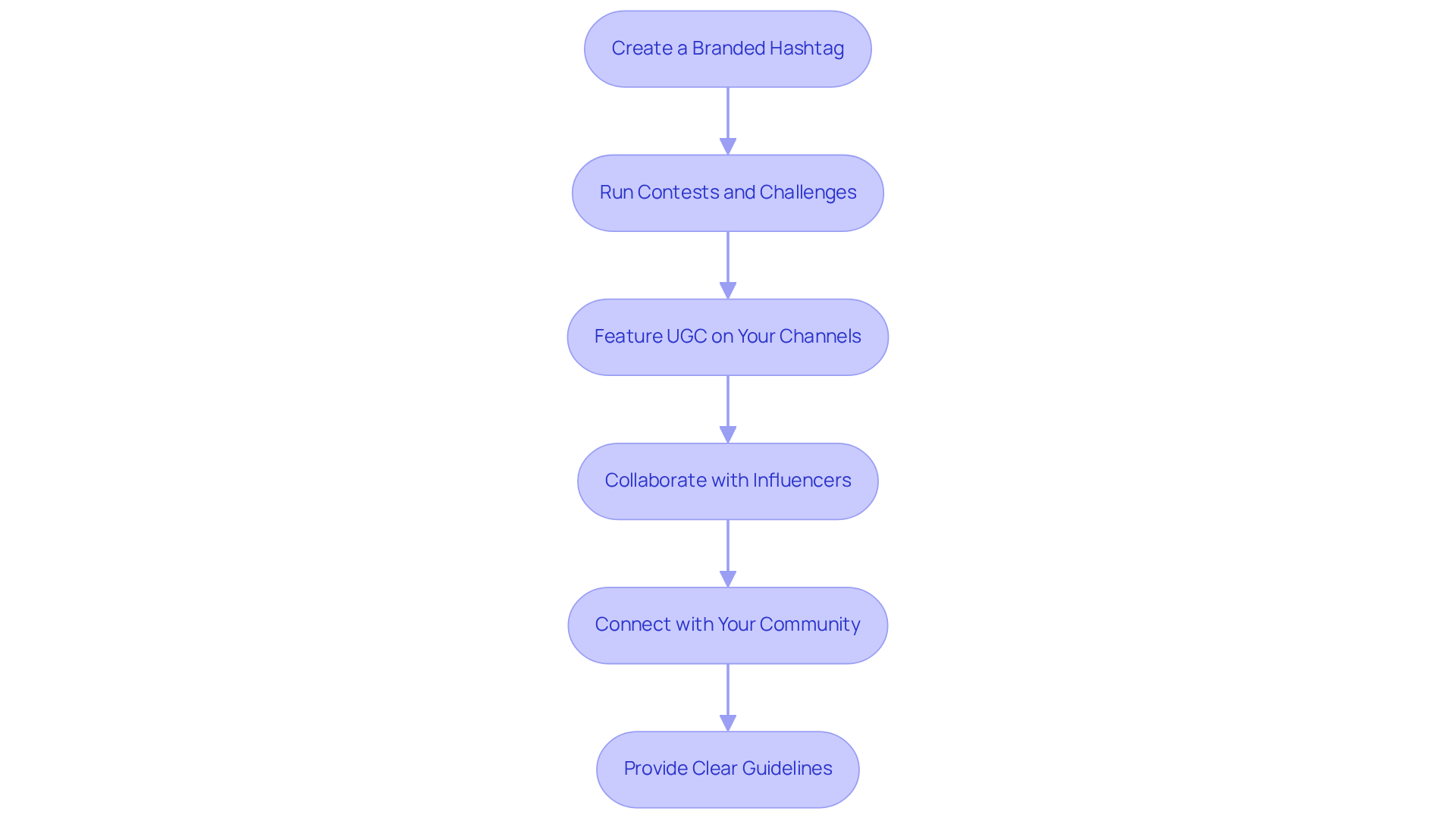
- : Develop a unique hashtag that encourages users to share their content related to your brand. This not only simplifies tracking but also demonstrates how to .
- : Organize competitions that their material. Whether it’s a photo contest, a video challenge, or a creative storytelling prompt, these initiatives can significantly .
- : Regularly showcase across your social media platforms, website, and marketing materials. This practice acknowledges the creators and motivates others to participate, enhancing community involvement.
- : Partner with influencers who align with your brand values to amplify your UGC efforts. Their endorsement can attract a broader audience and lend credibility to your campaigns, making your message resonate more.
- : Engage with users who submit UGC by responding to their contributions. This interaction fosters a sense of community and encourages ongoing participation, creating a loyal customer base.
- by ensuring users understand the type of material you seek and the submission process. Clarity is key to maximizing engagement.
Maintain and Update Your UGC Portfolio Regularly
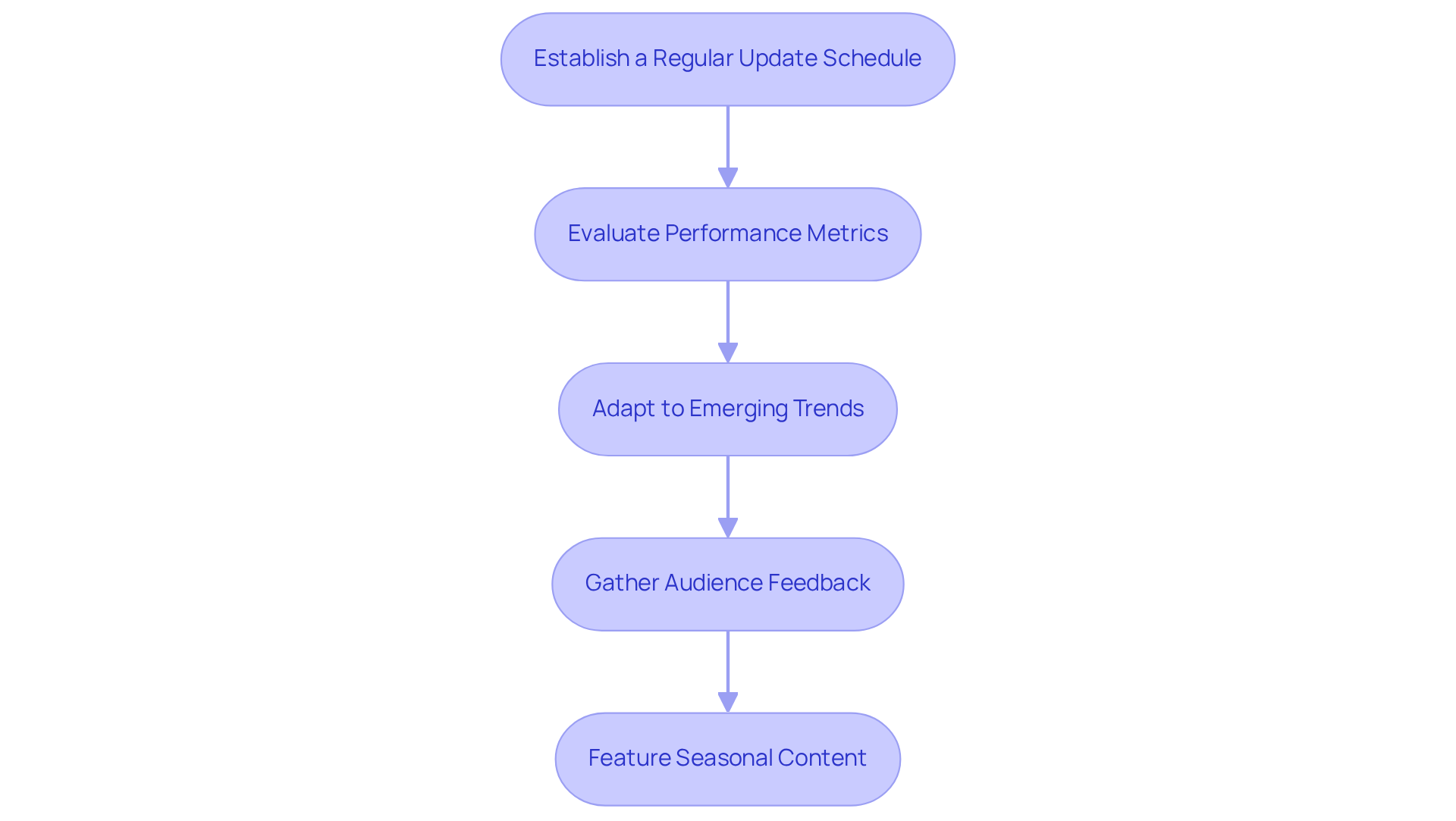
- Establish a Regular Update Schedule: Set a consistent timeline for reviewing and refreshing your , ideally on a quarterly or bi-annual basis. This practice teaches you how to , ensuring your material remains relevant and engaging for your audience. Did you know that in their marketing efforts assert that it performs significantly better than traditional branded media? This statistic underscores that is fresh.
- : Continuously analyze the performance of UGC within your portfolio. Identify which pieces generate the most engagement and consider by removing or revising underperforming material to optimize overall effectiveness. Positive UGC helps counteract negative online information and gradually regain customer trust, making performance evaluation crucial.
- : Stay abreast of the latest trends in UGC and . Incorporate new styles, formats, or themes that resonate with current consumer interests, ensuring your collection reflects contemporary preferences. This adaptability not only demonstrates that keeps your content relevant but also enhances its appeal.
- : Actively solicit feedback from both your audience and content creators. Their insights can provide valuable perspectives that inform improvements and enhance the overall quality of your collection. Notably, 44% of B2B buyers acknowledge that understanding significantly influences their purchasing decisions. This highlights the importance of audience insights in learning strategies effectively.
- : Regularly update your portfolio to include seasonal campaigns or events. This approach keeps your content timely and relevant, fostering ongoing engagement and interest from your audience. Additionally, always ensure that you obtain consent from original creators when using UGC to respect their rights and maintain ethical standards.
Conclusion
User-Generated Content (UGC) stands out as a formidable asset for brand managers aiming to cultivate authenticity and trust in their marketing strategies. By harnessing UGC, brands can forge deeper connections with their audiences, showcasing genuine customer experiences that resonate far more than conventional advertising. This guide underscores the significance of UGC, providing actionable steps to create a compelling UGC portfolio that boosts brand engagement and loyalty.
The article delineates a thorough process for constructing a UGC portfolio, starting with the selection of an appropriate hosting platform and the establishment of a consistent visual style. It stresses the necessity of curating high-quality content, organizing it effectively, and integrating performance metrics to demonstrate the impact of UGC. Furthermore, engaging audiences through branded hashtags, contests, and collaborations with influencers is crucial for maximizing participation and fostering community involvement.
Ultimately, the triumph of UGC hinges not just on its creation but also on its continuous management and adaptation to emerging trends. Regular updates, audience feedback, and seasonal content are vital practices for keeping UGC fresh and relevant. By prioritizing these strategies, brands can fully leverage the potential of user-generated content, transforming customer interactions into enduring relationships that propel growth and success in an ever-evolving digital landscape. Embrace UGC not only to elevate your marketing efforts but also to nurture a vibrant community around your brand.
Frequently Asked Questions
What is User-Generated Content (UGC)?
User-Generated Content (UGC) refers to any content, such as images, videos, reviews, or testimonials, created by consumers rather than companies.
Why is UGC important in digital marketing?
UGC is important because it fosters authenticity and trust among consumers. It acts as social proof, showcasing real customer experiences and opinions that can significantly influence potential buyers.
How much do consumers trust UGC compared to traditional advertising?
According to statistics, 79% of consumers trust UGC more than traditional advertising.
How can UGC impact a brand's marketing strategy?
Understanding UGC's impact is crucial for brand managers as it helps develop effective marketing strategies that resonate with audiences, drive engagement, and create a more relatable and trustworthy brand image.
What are the benefits of incorporating UGC into marketing efforts?
Incorporating UGC can lead to higher conversion rates and increased customer loyalty, enhancing the connection between brands and consumers.
How can brands create and integrate UGC into their marketing strategy?
Brands can create UGC by engaging with their audience through their content, which builds trust and encourages a community around the brand.
List of Sources
- Define User-Generated Content (UGC) and Its Importance
- blazemedia.co.uk (https://blazemedia.co.uk/2025/09/23/using-user-generated-in-your-marketing-strategy)
- social.plus (https://social.plus/blog/71-of-consumers-are-influenced-by-online-reviews-and-user-generated-content-why-your-community-strategy-must-tap-ugc)
- joinbrands.com (https://joinbrands.com/blog/benefits-of-user-generated-content)
- emarketer.com (https://emarketer.com/content/social-media-strategists-value-ugc-over-ai)
- The Impact of User-Generated Content on Customer-Centric Digital Marketing (https://thriveagency.com/news/the-impact-of-user-generated-content-on-customer-centric-digital-marketing)
- Create Your UGC Portfolio: Step-by-Step Process
- 24 Key User-Generated Content (UGC) Statistics for 2026 (https://backlinko.com/ugc-statistics)
- getclipara.com (https://getclipara.com/blog/how-to-create-a-ugc-portfolio-your-guide-to-standing-out)
- 70+ UGC Statistics to Shape Your 2026 Marketing Strategy (https://showca.se/post/ugc-statistics)
- billo.app (https://billo.app/blog/ugc-portfolio)
- 25 User-Generated Content (UGC) Engagement Statistics: Essential Data for Modern Brands in 2026 (https://archive.com/blog/user-generated-content)
- Engage Your Audience and Collaborate with Brands
- billo.app (https://billo.app/blog/ugc-contests)
- sproutsocial.com (https://sproutsocial.com/insights/12-social-media-giveaway-ideas-and-contest-examples-for-2025)
- socialwalls.com (https://socialwalls.com/blog/hashtag-campaign-examples)
- Maintain and Update Your UGC Portfolio Regularly
- syntacticsinc.com (https://syntacticsinc.com/news-articles-cat/user-generated-content-social-media-marketing-campaigns)
- The Complete Guide to User-Generated Content (https://thriveagency.com/news/the-complete-guide-to-user-generated-content)
- 24 Key User-Generated Content (UGC) Statistics for 2026 (https://backlinko.com/ugc-statistics)
- goerie.com (https://goerie.com/press-release/story/48203/storypop-ugc-agency-announces-strengthened-focus-on-structured-user-generated-content-strategies-for-evolving-digital-environments)
- Complete guide to user-generated content (UGC) in 2025 (https://blog.hootsuite.com/user-generated-content-ugc)