
Introduction
The rapid ascent of social media marketing is nothing short of remarkable, projected to leap from $1.7 billion in 2016 to an astounding $32.55 billion by 2025. This surge underscores a critical need for brands to refine their influencer strategies. By grasping the multifaceted factors that dictate Instagram influencer costs, companies can not only optimize their marketing investments but also significantly enhance their return on investment.
However, with a myriad of variables at play - ranging from follower count and engagement rates to industry niches and content types - how can brands effectively navigate this complex landscape? Securing the best partnerships requires a strategic approach, one that considers all these elements to maximize impact.
As we delve deeper into this topic, it becomes clear that understanding these dynamics is essential for brands aiming to thrive in the competitive social media arena.
MediaNug: Optimizing Influencer Costs with Data-Driven Strategies
MediaNug employs a to optimize the costs associated with effectively. Did you know that the social media marketing sector has surged from $1.7 billion in 2016 to an estimated $32.55 billion by 2025? This rapid growth underscores the necessity for to enhance their marketing expenditures.
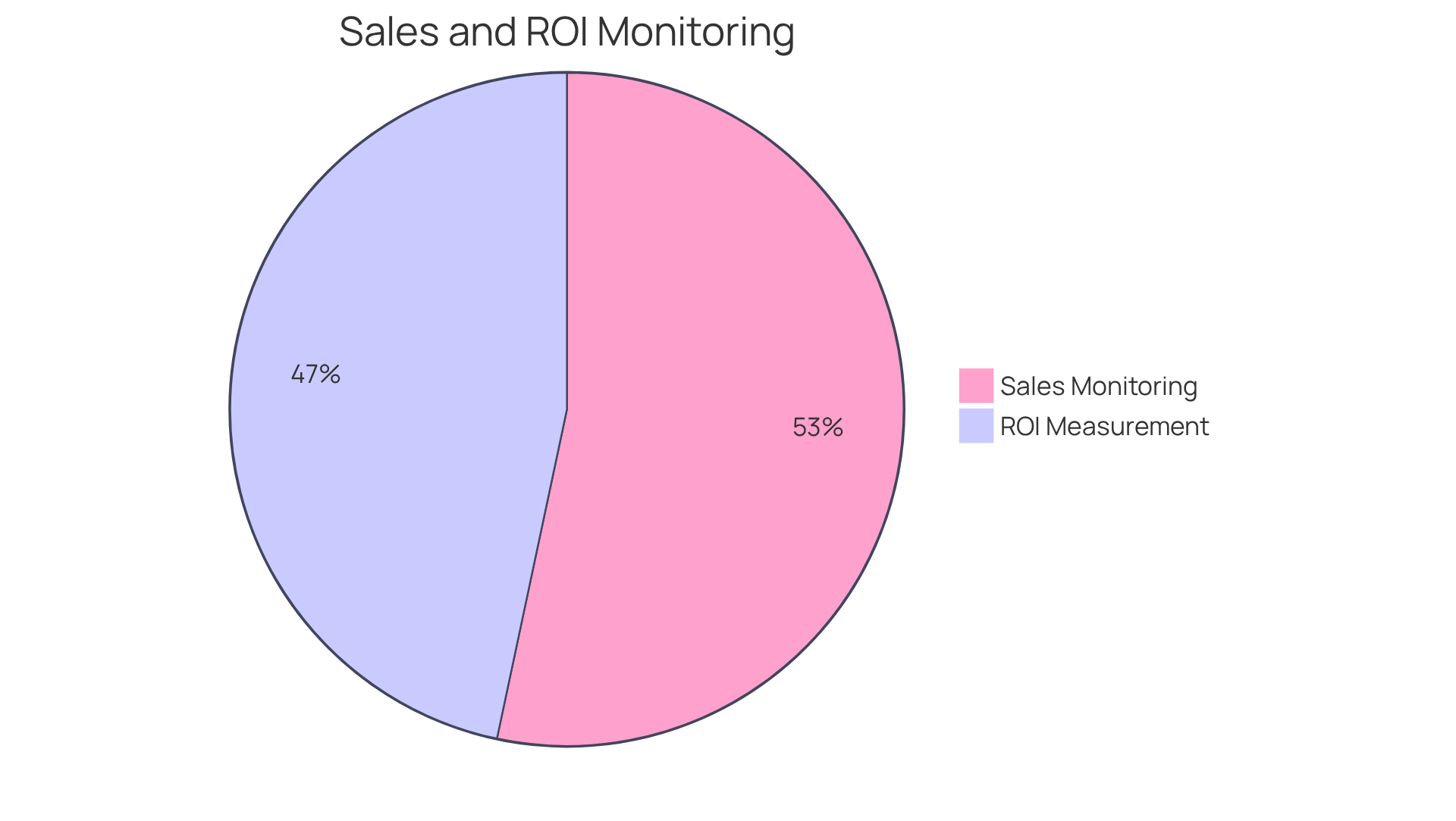
By thoroughly examining performance metrics and audience interaction, businesses can pinpoint which promoters yield the best (ROI). This strategy not only aids in selecting the right advocates but also empowers companies to negotiate better rates based on proven results. For instance, leveraging historical data allows MediaNug to forecast which influencers are likely to drive higher engagement and conversions, thereby justifying the .
Furthermore, 80% of companies now , reflecting a significant shift towards accountability and performance assessment in marketing. In addition, 70% of marketers measured ROI in some capacity in 2024, further emphasizing the trend towards data-driven strategies.
With these insights, it’s clear that embracing a is not just beneficial but essential for success in today’s competitive landscape. Are you ready to optimize your with MediaNug?
Follower Count: A Primary Driver of Influencer Pricing
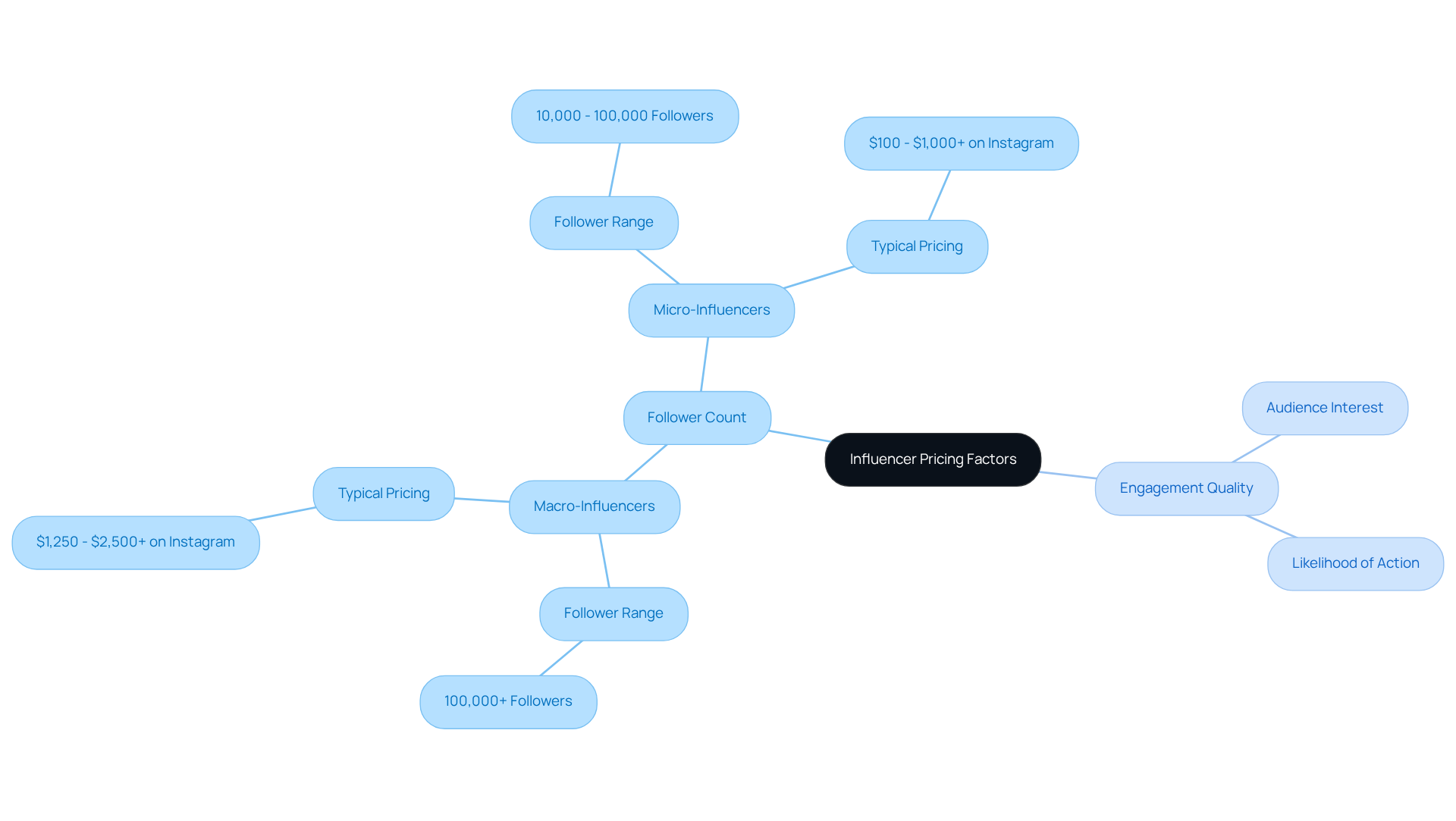
When it comes to , the companies scrutinize to determine the cost. The typically increases as their followings grow due to their extensive potential reach. For instance, the with over 100,000 followers may be significantly higher than that for a micro-influencer with just 10,000 followers. However, it’s crucial for companies to also evaluate the quality of the audience. A smaller, can sometimes yield better results than a larger, less engaged one.
Furthermore, understanding the dynamics of follower engagement can lead to more . Companies should ask themselves:
- Is the influencer’s audience genuinely interested in their content?
- Are they likely to take action based on the influencer’s recommendations?
By considering these factors, brands can make more informed decisions that go beyond mere numbers.
In conclusion, while follower count is an important metric, the should not be overlooked. Striking a balance between reach and engagement can ultimately drive better results in influencer partnerships.
Engagement Rates: Assessing Value Beyond Follower Numbers
are pivotal in evaluating a creator's genuine impact, defined as the ratio of interactions - likes, comments, shares - to follower count. A robust engagement level signals that a creator's audience is actively engaging with their content, which can significantly enhance . For example, an influencer boasting 50,000 followers with a 10% engagement rate can prove more valuable than another with 200,000 followers at just 2%.
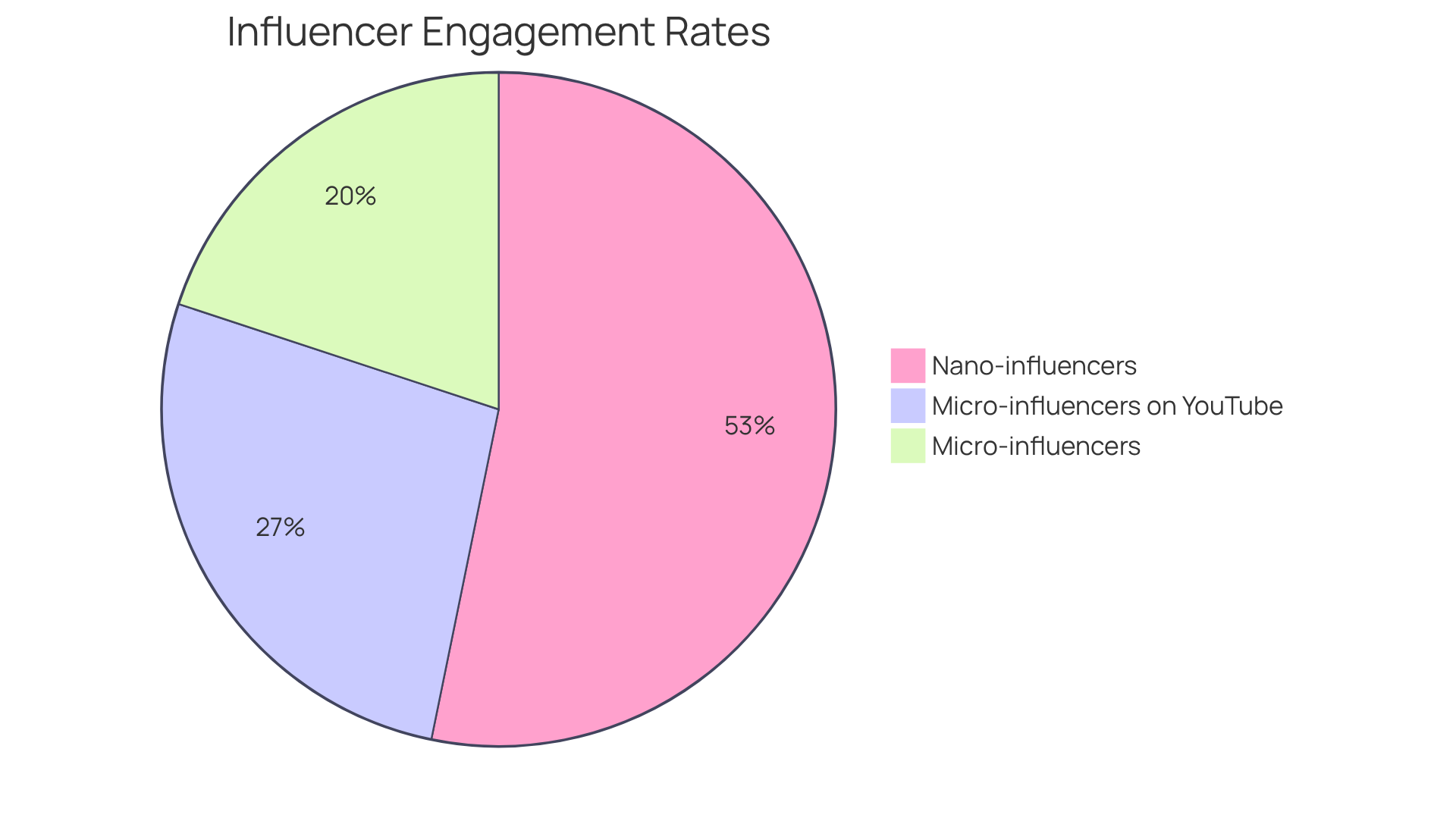
Looking ahead to 2025, micro-influencers, typically with 10,000 to 50,000 followers, are projected to achieve , while nano-influencers may reach up to 10.3%. Notably, micro-influencers on YouTube are expected to attain engagement rates of approximately 5.2%. This trend underscores a growing recognition among companies that over sheer follower count is crucial for effective .
Brands are increasingly on the lookout for influencers who foster , as these relationships cultivate trust and loyalty, ultimately . However, it's concerning that from brands regarding their content performance, highlighting a disconnect that brands must urgently address.
Moreover, can elevate sales by 20% and deliver 4.3 times higher ROI, reinforcing the necessity of focusing on engagement. As the landscape evolves, brands must adapt their strategies to prioritize meaningful connections over mere numbers.
Industry Niche: How Market Demand Shapes Influencer Costs
The industry niche is crucial in determining the costs associated with . Did you know that like beauty or technology can earn between $1,000 and $5,000 per Instagram post? This reflects the heightened competition and audience interest in these areas. Conversely, often provide more competitive rates. Brands must analyze their target audience and the niche of the promoter to ensure alignment, as this significantly impacts the .
Consider this: 64% of consumers have made a purchase based on a . This statistic underscores the and its relevance to pricing strategies. Furthermore, the shift towards , who earn between $100 and $1,000 per Instagram post, exemplifies how brands are adapting to market conditions while managing costs effectively.
In conclusion, in relation to industry niches is essential for brands looking to optimize their marketing strategies. By aligning with the right influencers, brands can enhance their campaign effectiveness and drive better results.

Content Type: The Creative Factor in Influencer Pricing
The produced by a social media personality, whether videos, stories, or static posts, significantly affects the . , particularly on platforms like Instagram and TikTok, often commands higher fees due to its and engagement potential. For example, a typically costs more than a simple photo post, reflecting the additional effort and resources involved.
Brands must consider the that aligns with their , including the , when selecting . Furthermore, understanding the nuances of can lead to more . By investing in , brands can enhance their visibility and engagement, ultimately driving better results.
In addition, it’s crucial for brands to evaluate their objectives and choose representatives who can deliver the desired content type. This strategic approach not only maximizes their marketing budget but also ensures that the content resonates with their target audience.
Ultimately, the right content can make all the difference in a brand's success on social media. Are you ready to elevate your brand's presence by choosing the right content creators?

High Demand: The Scarcity Principle in Influencer Costs
The scarcity principle in marketing indicates a clear trend: as demand for specific influencers rises, so does the . Influencers who have recently gone viral or are linked to trending topics can command significantly higher rates for collaborations. For example, in 2025, the for :
- Between $150 and $750 for Instagram Stories
- $300 to $1,500 for posts
- $750 to $3,000 for reels
In contrast, the may demand upwards of:
- $7,500 for Stories
- $15,000+ for posts
- $30,000+ for reels
Brands must navigate this landscape with care, especially during peak seasons or major events when may be limited. To manage expenses effectively, companies should consider who are gaining traction but have not yet reached their peak demand. This strategy not only helps in budget management but also allows brands to that resonate with audiences.
Furthermore, 52% of companies now focus on rather than one-off collaborations. This approach can foster stronger relationships and potentially lead to better rates. By balancing their promoter mix and concentrating on those with increasing engagement, companies can optimize their reach and ROI while keeping expenses in check. Notably, top performers in influencer marketing can achieve , underscoring the value of .

Budget Tips: Maximizing ROI When Collaborating with Influencers
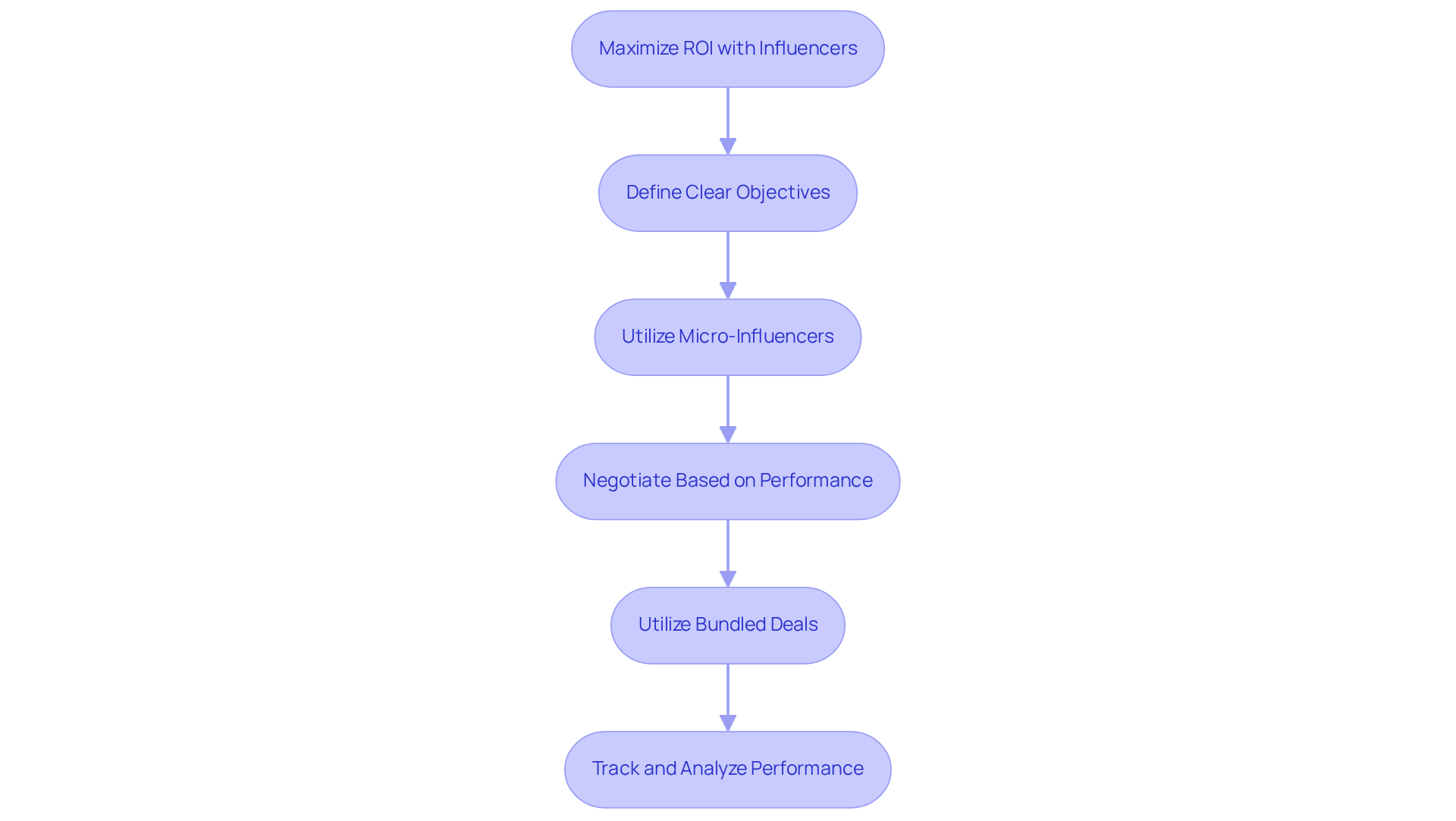
To maximize ROI when collaborating with influencers, companies must establish a budget that takes into account the and aligns with their . Consider these :
- : What are your specific goals for the campaign? Establishing clear objectives, such as increasing awareness or driving sales, is crucial for effectively measuring success. Notably, 83% of marketers indicate that sponsored influencer content surpasses company content in conversions, highlighting the importance of strategic planning.
- : Have you considered the power of micro-influencers? With follower counts typically between 10K and 100K, these influencers boast , significantly higher than the 1-2% average of larger accounts. The typically ranges from $100 to $500 per post, enabling companies to collaborate with multiple promoters for the price of one macro-promoter.
- Negotiate Based on Performance: Why settle for fixed fees? Instead, . This ensures that compensation reflects the actual impact on engagement and conversions. In fact, 73% of companies prefer micro and mid-tier influencers because they offer stronger engagement-to-cost ratios compared to the overall .
- Utilize Bundled Deals: Are you running campaigns across multiple platforms? Consider bundled deals that can reduce overall costs while maximizing reach. This strategy enhances the effectiveness of your campaign across various social media channels.
- : How do you measure success? Implement robust tracking mechanisms to monitor . Tools like Aria, GRIN, and HypeAuditor, along with UTM parameters and analytics dashboards, provide insights into engagement, conversions, and overall ROI. Remember, the .
By adhering to these strategies, companies can efficiently allocate their marketing budgets, ensuring that every dollar spent contributes to quantifiable growth and achievement.
Legal Considerations: Navigating Contracts and Compliance in Influencer Marketing
Navigating in is not just important; it's essential for brands aiming to protect themselves and ensure compliance. Have you considered how could impact your marketing strategy? Key aspects to focus on include:
- . This clarity sets the foundation for successful partnerships.
- Ensuring social media personalities . Transparency is crucial for maintaining trust with your audience.
- Understanding created by influencers. This knowledge safeguards your brand's assets.
- Regularly to adapt to and market conditions. Staying proactive can prevent costly mistakes.
By addressing these legal factors, brands can significantly mitigate risks associated with . Are you ready to take the necessary steps to protect your brand?

Platform Influence: How Social Media Channels Affect Influencer Pricing
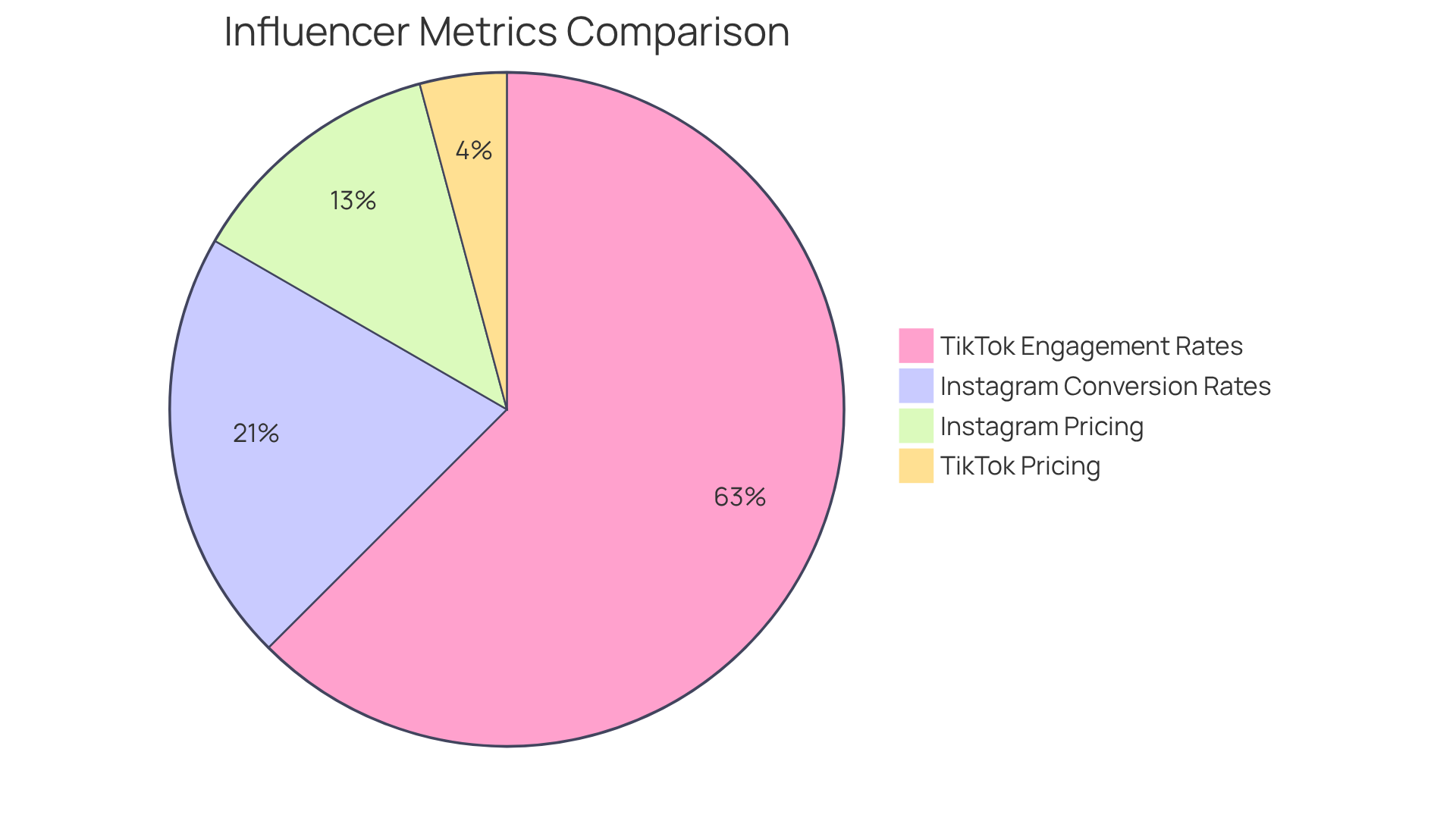
The dynamics of various social media platforms significantly influence the cost of . Did you know that Instagram, known for its visually appealing content, generates compared to TikTok? This compelling statistic often leads creators to demand higher fees, thanks to Instagram's enhanced engagement features and conversion percentages, which range from 1.5% to 3.5% for e-commerce.
Conversely, TikTok influencers typically have lower base fees, with nano influencers charging between $5 and $50 per post. However, they can command premium prices for viral content due to the platform's unique algorithm that prioritizes content quality over follower count. For instance, can soar as high as 7.50%. This makes TikTok an attractive option for businesses aiming to reach younger audiences.
Brands must carefully analyze their target demographics and the on each platform to ensure . This strategic approach not only allows brands to leverage the strengths of each platform but also . Are you ready to make informed decisions that enhance your ?
Long-Term Relationships: Building Partnerships for Cost Efficiency in Influencer Marketing
Building lasting connections with key figures can lead to significant and , highlighting the importance of understanding the . Brands that prioritize often see remarkable advantages:
- : The can be lower as they frequently offer discounts for ongoing work, making it financially advantageous for brands.
- Enhanced alignment: As influencers become more familiar with a brand's values and messaging, the synergy between them strengthens.
- Increased authenticity: , which resonate more with audiences.
- Streamlined communication: , leading to more impactful campaigns.
By focusing on long-term relationships, brands not only achieve but also build trust with their audience. Are you ready to invest in these valuable connections?

Conclusion
Understanding the factors that influence Instagram influencer costs is essential for brands looking to optimize their marketing strategies. A data-driven approach is not just beneficial; it’s crucial for effectively managing influencer expenses and ensuring a favorable return on investment. By analyzing performance metrics, engagement rates, and industry niches, companies can make informed decisions that transcend mere follower counts, ultimately leading to more impactful marketing outcomes.
Key insights reveal that:
- Engagement trumps follower numbers.
- Industry demand shapes pricing.
- Selecting the right content type is vital for aligning with brand goals.
Moreover, establishing long-term relationships with influencers can yield cost efficiencies and foster authenticity in endorsements. These strategies highlight the evolving landscape of influencer marketing, where brands must adapt to maximize their investments.
In a rapidly changing digital environment, brands are urged to embrace these insights and implement data-driven strategies for influencer collaborations. By prioritizing engagement, understanding market dynamics, and nurturing long-term partnerships, companies can enhance their marketing effectiveness and achieve greater success in their campaigns. The potential for significant returns on investment underscores the importance of strategic planning in influencer marketing. Are you ready to take your influencer marketing to the next level?
Frequently Asked Questions
What is MediaNug's approach to optimizing influencer costs?
MediaNug employs a data-driven approach to optimize costs associated with Instagram influencers by analyzing performance metrics and audience interaction to identify which influencers provide the best return on investment (ROI).
How has the social media marketing sector grown recently?
The social media marketing sector has increased from $1.7 billion in 2016 to an estimated $32.55 billion by 2025, indicating a significant growth trend.
What percentage of companies monitor sales from promotional campaigns?
80% of companies now monitor sales from promotional campaigns, reflecting a shift towards accountability and performance assessment in marketing.
Why is follower count important in influencer marketing?
Follower count is a primary metric for determining influencer costs, as costs typically increase with the number of followers due to their potential reach. However, the quality of the audience is also crucial.
What should companies consider beyond follower count?
Companies should evaluate the quality of audience engagement and ask whether the influencer's audience is genuinely interested in their content and likely to take action based on recommendations.
How are engagement rates defined and why are they important?
Engagement rates are defined as the ratio of interactions (likes, comments, shares) to follower count. They are important because a high engagement level indicates that an influencer's audience is actively engaging with their content, which can enhance conversion rates for brands.
What are the projected engagement levels for micro and nano-influencers by 2025?
Micro-influencers (10,000 to 50,000 followers) are projected to achieve engagement levels of around 3.86%, while nano-influencers may reach up to 10.3%.
What is the impact of high-engagement posts on sales and ROI?
High-engagement posts can elevate sales by 20% and deliver 4.3 times higher ROI, emphasizing the importance of focusing on engagement rather than just follower count.
What disconnect exists between brands and creators regarding content performance feedback?
85% of creators report never receiving feedback from brands regarding their content performance, indicating a need for brands to address this disconnect.
What trend is emerging in influencer selection for brands?
Brands are increasingly prioritizing influencers who foster authentic interactions, as these relationships build trust and loyalty, leading to better marketing outcomes.
List of Sources
- MediaNug: Optimizing Influencer Costs with Data-Driven Strategies
- traackr.com (https://traackr.com/blog/leveraging-data-to-future-proof-influencer-marketing)
- 2026 Influencer Marketing Statistics: ROI, Trends & Platform Data (https://sociallyin.com/influencer-marketing-statistics)
- prnewswire.com (https://prnewswire.com/news-releases/influencer-marketing-in-2025-new-data-reveals-what-works-what-costs-and-whats-next-302490369.html)
- Follower Count: A Primary Driver of Influencer Pricing
- goviralglobal.com (https://goviralglobal.com/post/influencer-marketing-facts-and-statistics-updated-september-2025)
- goodreads.com (https://goodreads.com/quotes/tag/influencer-marketing)
- socialsnowball.io (https://socialsnowball.io/post/influencer-marketing-statistics)
- prnewswire.com (https://prnewswire.com/news-releases/influencer-marketing-in-2025-new-data-reveals-what-works-what-costs-and-whats-next-302490369.html)
- goviralglobal.com (https://goviralglobal.com/post/united-states-influencer-marketing-kol-statistics-for-2025)
- Engagement Rates: Assessing Value Beyond Follower Numbers
- sociallypowerful.com (https://sociallypowerful.com/influencer/marketing/statistics)
- blog.hootsuite.com (https://blog.hootsuite.com/average-engagement-rate)
- emarketer.com (https://emarketer.com/content/brands-prioritizing-engagement--loyalty-influencer-marketing)
- stackinfluence.com (https://stackinfluence.com/the-average-influencer-engagement-rate-in-2025)
- Industry Niche: How Market Demand Shapes Influencer Costs
- goviralglobal.com (https://goviralglobal.com/post/influencer-marketing-facts-and-statistics-updated-september-2025)
- forbes.com (https://forbes.com/councils/forbesagencycouncil/2025/12/02/from-reach-to-relevance-current-trends-in-influencer-marketing)
- stackinfluence.com (https://stackinfluence.com/influencer-marketing-stats-2025-key-numbers)
- Influencer Rates 2026: What to Pay & What to Charge (Nano to Mega) (https://afluencer.com/influencer-rates)
- 32 influencer marketing statistics to guide your brand’s strategy in 2026 (https://sproutsocial.com/insights/influencer-marketing-statistics)
- Content Type: The Creative Factor in Influencer Pricing
- prnewswire.com (https://prnewswire.com/news-releases/influencer-marketing-in-2025-new-data-reveals-what-works-what-costs-and-whats-next-302490369.html)
- Influencer Rates 2026: What to Pay & What to Charge (Nano to Mega) (https://afluencer.com/influencer-rates)
- boston25news.com (https://boston25news.com/news/2025-influencer-marketing-costs-youtube-instagram-tiktok/4JLUBE46ORPODMQEYG2CAT7W5Y)
- Social Media Video Cost: Complete Guide (2026) (https://vidico.com/news/social-media-video-cost)
- scopicstudios.com (https://scopicstudios.com/blog/video-marketing-vs-static-content-stats-and-trends)
- High Demand: The Scarcity Principle in Influencer Costs
- prnewswire.com (https://prnewswire.com/news-releases/influencer-marketing-in-2025-new-data-reveals-what-works-what-costs-and-whats-next-302490369.html)
- 2026 Influencer Marketing Statistics: ROI, Trends & Platform Data (https://sociallyin.com/influencer-marketing-statistics)
- greaterthan.ai (https://greaterthan.ai/influencer-pricing-increase)
- boston25news.com (https://boston25news.com/news/2025-influencer-marketing-costs-youtube-instagram-tiktok/4JLUBE46ORPODMQEYG2CAT7W5Y)
- Budget Tips: Maximizing ROI When Collaborating with Influencers
- Influencer Marketing ROI 2026: Benchmarks, Stats and How to Track Returns (https://dataslayer.ai/blog/influencer-marketing-budgets-surge-in-2025-how-to-track-roi-with-data-automation)
- marketingtechnews.net (https://marketingtechnews.net/news/how-performance-teams-are-taking-over-influencer-marketing-in-2025)
- sociallypowerful.com (https://sociallypowerful.com/influencer/marketing/roi)
- Influencer Marketing in 2026: Key Stats That Matter (https://thunderbit.com/blog/influencer-marketing-stats)
- Legal Considerations: Navigating Contracts and Compliance in Influencer Marketing
- awisee.com (https://awisee.com/ru/blog/ftc-influencer-guidelines)
- goviralglobal.com (https://goviralglobal.com/post/united-states-influencer-marketing-kol-statistics-for-2025)
- Legal Considerations for Influencer Collaborations - Contracts and Agreements - Influencer Marketing Factory (https://theinfluencermarketingfactory.com/legal-considerations-influencer-collaborations)
- dlapiper.com (https://dlapiper.com/en/insights/publications/2025/10/influencer-marketing-updates-in-2025)
- newswirejet.com (https://newswirejet.com/legal-aspects-of-influencer-pr)
- Platform Influence: How Social Media Channels Affect Influencer Pricing
- Influencer Rates 2026: What to Pay & What to Charge (Nano to Mega) (https://afluencer.com/influencer-rates)
- napolify.com (https://napolify.com/blogs/news/influencer-brand-tiktok-instagram)
- 32 influencer marketing statistics to guide your brand’s strategy in 2026 (https://sproutsocial.com/insights/influencer-marketing-statistics)
- lumanu.com (https://lumanu.com/blog/breaking-down-1-billion-in-creator-payouts-2025-influencer-compensation-insights)
- sqmagazine.co.uk (https://sqmagazine.co.uk/tiktok-vs-instagram-statistics)
- Long-Term Relationships: Building Partnerships for Cost Efficiency in Influencer Marketing
- later.com (https://later.com/blog/maintaining-long-term-influencer-partnerships)
- 2026 Influencer Marketing Statistics: ROI, Trends & Platform Data (https://sociallyin.com/influencer-marketing-statistics)
- forbes.com (https://forbes.com/councils/forbesagencycouncil/2025/03/19/when-to-invest-in-long-term-influencer-partnerships-and-how-to-make-them-work)
- socialflyny.com (https://socialflyny.com/creating-long-term-influencer-partnerships-to-maximize-impact)
- impact.com (https://impact.com/influencer/influencer-marketing-roi)