
Introduction
In a marketplace increasingly shaped by consumer preferences and brand loyalty, establishing a strong brand identity is more crucial than ever. This article explores four best practices that empower businesses to navigate the complexities of direct consumer marketing:
- Crafting compelling brand narratives
- Leveraging data-driven insights
- Adapting to shifting consumer demographics
- Embracing new marketing channels
However, as consumer demographics shift and new marketing channels emerge, how can companies ensure their strategies remain relevant and effective? Delving into these practices may reveal the key to achieving lasting success in an ever-evolving landscape.
Establish a Strong Brand Identity
To forge a for your company, begin by clearly defining your organization's mission, values, and . This foundational step involves crafting a comprehensive style guide that outlines visual elements such as logos, color palettes, and typography, ensuring consistency across all platforms. For instance, companies like Nike and Apple have successfully established by consistently conveying their core values through marketing content and customer interactions.
Furthermore, can significantly strengthen emotional ties with audiences, making your identity more relatable and unforgettable. Did you know that 65% of shoppers feel more connected to companies that align with their values? Moreover, 76% prefer purchasing from businesses they trust, even when less expensive options are available. By partnering with reliable companies through platforms like , can ensure fair compensation for creators, thereby enhancing credibility and respect within the industry.
Consistently evaluating and enhancing your identity based on and market trends is crucial for sustaining relevance. Investing in can lead to accelerated growth and improved market presence. A powerful identity not only but also fosters loyalty among buyers, ultimately paving the way for long-term success.

Define Your Buyer Personas
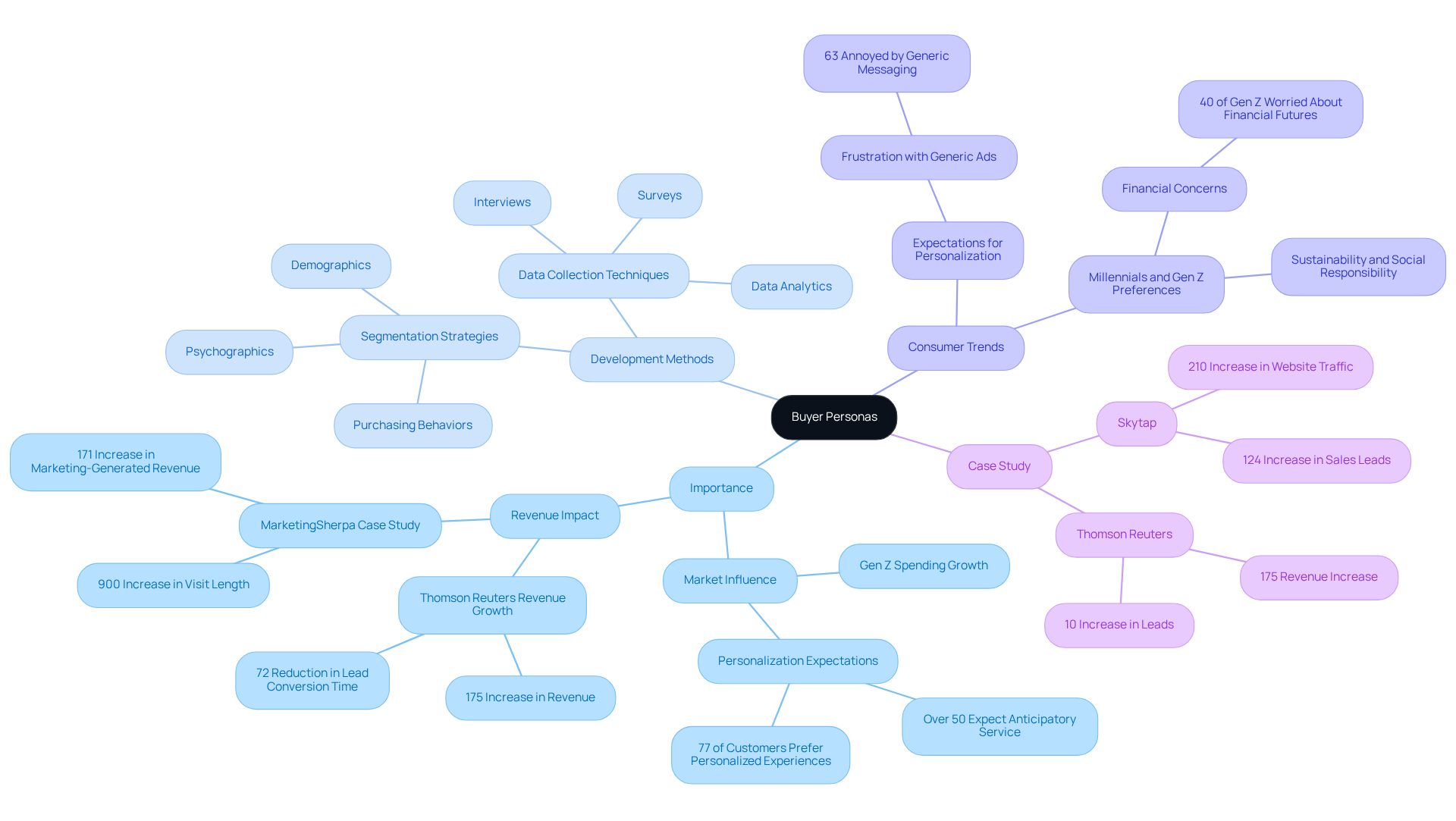
Creating detailed is not just beneficial; it's essential for in , especially as consumer demographics continue to evolve. Did you know that by 2025, will be crucial? These groups are projected to significantly influence market trends. For instance, Gen Z's expenditure is increasing at double the rate of earlier generations and is set to surpass baby boomers’ spending worldwide by 2029. This highlights the necessity for companies to accordingly.
To develop these personas, start by segmenting your audience based on demographics, psychographics, and purchasing behaviors. Utilize a combination of surveys, interviews, and to gather insights into their preferences, pain points, and motivations. Companies targeting millennials may find that resonate strongly, guiding their marketing messages.
Market researchers emphasize that over 50% of buyers expect brands to anticipate their needs. Furthermore, 77% of clients have chosen, recommended, or paid more for a company that offers . This makes it imperative to regularly update to reflect shifts in consumer behavior and . This proactive method of ensures that promotional plans are relevant and efficient, ultimately driving engagement and conversion rates.
Consider the case of Thomson Reuters, which effectively utilized , resulting in a remarkable 175% rise in revenue directly linked to their promotional activities. This example underscores the concrete advantages of this approach. Are you ready to adapt your strategies and engage with your audience more effectively?
Diversify Your Marketing Channels
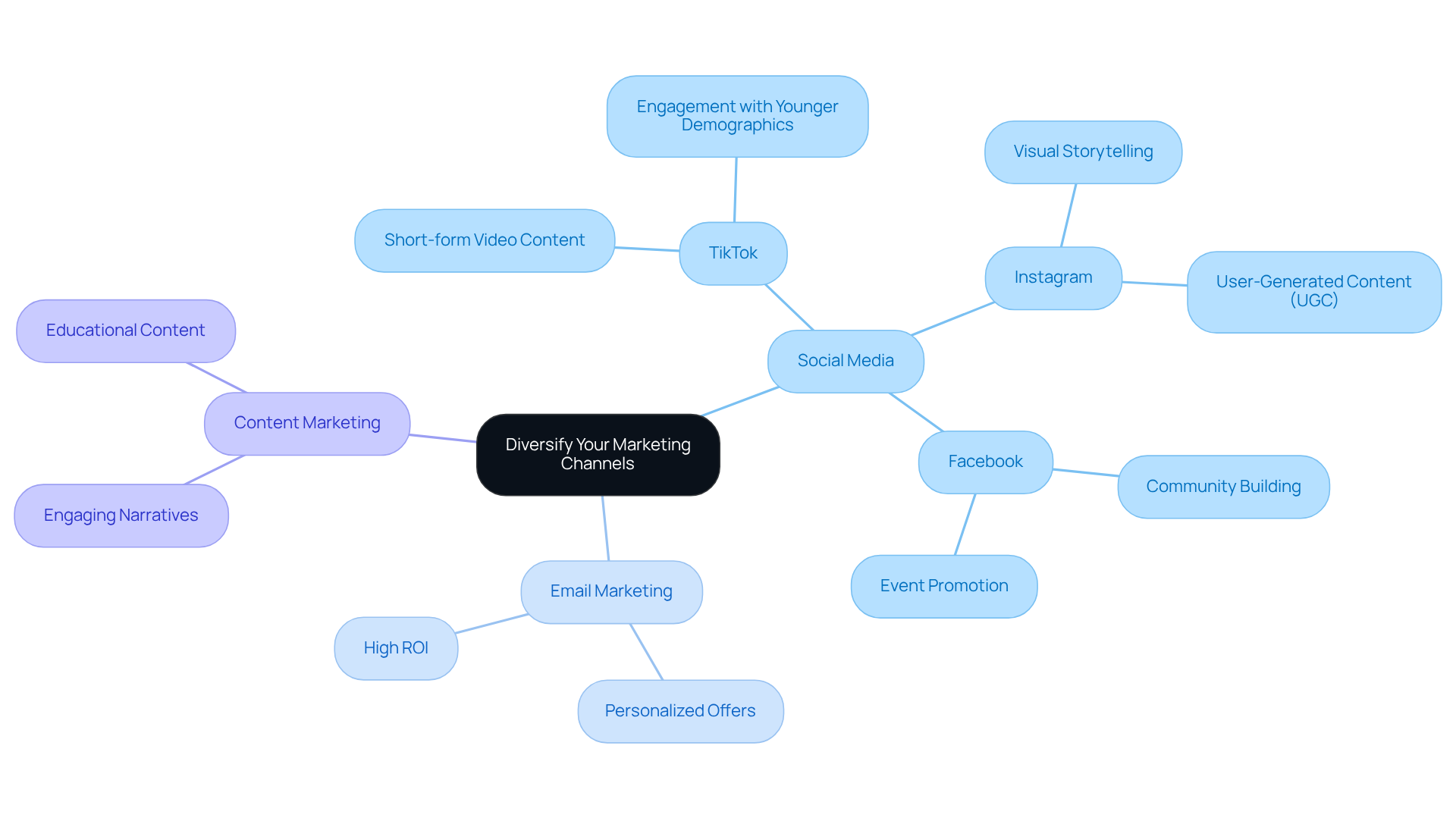
To effectively , start by pinpointing the platforms where your target audience is most active. This includes popular like , Instagram, and Facebook, as well as email marketing and . For example, a brand can harness for captivating short-form video content while utilizing email campaigns to deliver .
Furthermore, it's crucial to . accordingly to . By diversifying your approach, you not only mitigate the risks associated with relying on a single channel but also enhance your overall promotional effectiveness.
In addition, consider how each platform can uniquely contribute to your marketing goals. on multiple fronts not only broadens your reach but also fosters a deeper connection with potential customers. Are you ready to take your promotional strategy to the next level?
Leverage Data-Driven Insights
In 2025, leveraging is not just beneficial; it's essential for optimizing . Brands must actively collect and - , market trends, and . Tools like Google Analytics and empower companies to effectively monitor user behavior and preferences. For instance, if analytics reveal that a specific demographic engages more with , brands can strategically focus on video promotion to .
Consistently assessing and analyzing this data allows for , ensuring they align with consumer expectations and market dynamics. By making informed, data-driven decisions, brands can significantly elevate their promotional effectiveness and achieve superior results. Research indicates that see an impressive 80% increase in return on media expenditure over five years. Moreover, Derek Andersen highlights that businesses utilizing these strategies can drive five to eight times more ROI compared to those that do not.
Case studies, such as Banner Health's success in reducing patient acquisition costs through data-driven promotion, underscore the tangible benefits of analytics. However, brands must remain vigilant about common pitfalls, including poor data literacy and reliance on unstructured data, which can impede their marketing efforts. Are you ready to harness the power of to transform your ?

Conclusion
A successful direct consumer marketing strategy relies on pivotal best practices that can significantly boost brand engagement and loyalty. By establishing a strong brand identity, defining precise buyer personas, diversifying marketing channels, and leveraging data-driven insights, companies can create a framework that resonates with their target audience and drives long-term success.
The critical importance of a well-defined brand identity cannot be overstated; it fosters trust and emotional connections with consumers. Furthermore, understanding buyer personas is essential, as tailored marketing strategies lead to higher engagement and conversion rates. The need for a multi-faceted approach to reach audiences effectively is underscored by the discussion on diversifying marketing channels. In addition, leveraging data-driven insights is crucial for optimizing promotional efforts and maximizing ROI.
Ultimately, the landscape of direct consumer marketing is evolving. Embracing these best practices is vital for any brand aiming to thrive. By committing to a strong brand identity, staying attuned to consumer preferences through detailed personas, exploring varied marketing channels, and utilizing data analytics, brands can enhance their market presence and foster deeper connections with their customers. Taking proactive steps to implement these strategies will ensure that businesses remain competitive and relevant in an ever-changing market.
Frequently Asked Questions
What is the first step to establishing a strong brand identity?
The first step is to clearly define your organization's mission, values, and unique selling proposition (USP).
What should a comprehensive style guide include?
A comprehensive style guide should outline visual elements such as logos, color palettes, and typography to ensure consistency across all platforms.
How have companies like Nike and Apple established strong brand identities?
Nike and Apple have established strong identities by consistently conveying their core values through marketing content and customer interactions.
Why are captivating narratives important for a brand's identity?
Captivating narratives strengthen emotional ties with audiences, making the brand identity more relatable and unforgettable.
What percentage of shoppers feel more connected to companies that align with their values?
65% of shoppers feel more connected to companies that align with their values.
What do 76% of shoppers prefer when making purchasing decisions?
76% of shoppers prefer purchasing from businesses they trust, even when less expensive options are available.
How can partnering with reliable companies enhance a brand's credibility?
Partnering with reliable companies through platforms like NugVerse can ensure fair compensation for creators, thereby enhancing credibility and respect within the industry.
Why is it important to evaluate and enhance brand identity regularly?
Consistently evaluating and enhancing your identity based on customer feedback and market trends is crucial for sustaining relevance.
What benefits can investing in global marketing bring to a brand?
Investing in global marketing can lead to accelerated growth and improved market presence.
How does a powerful brand identity affect customer trust and loyalty?
A powerful identity enhances trust and fosters loyalty among buyers, ultimately paving the way for long-term success.
List of Sources
- Establish a Strong Brand Identity
- 55+ Branding Statistics That Will Change How You See Marketing [2026] (https://cropink.com/branding-statistics)
- theanalystacademy.com (https://theanalystacademy.com/strong-brand-identity-blueprint-success)
- neue.world (https://neue.world/journal/how-to-build-a-strong-brand-identity-lessons-from-layers)
- manifest.ly (https://manifest.ly/blog/create-a-strong-brand-identity-for-your-business-in-2025)
- ourownbrand.co (https://ourownbrand.co/35-must-know-branding-statistics-2025-for-growth-engagement)
- Define Your Buyer Personas
- forbes.com (https://forbes.com/sites/kimberlywhitler/2025/01/01/marketing-leaders-identify-key-trends-for-2025)
- 50+ Buyer Persona Statistics That Showcase Their Effectiveness (https://delve.ai/blog/buyer-persona-statistics)
- State of the Consumer 2026: When tech acceleration and cost pressures collide (https://mckinsey.com/industries/consumer-packaged-goods/our-insights/state-of-consumer)
- 12 Buyer Persona Statistics That Prove They're Awesome (https://protocol80.com/blog/buyer-persona-statistics)
- Salesgenie® | Business & Consumer Data to Reach Your Audience (https://salesgenie.com/blog/buyer-personas-statistics)
- Diversify Your Marketing Channels
- deliberatedirections.com (https://deliberatedirections.com/digital-marketing-quotes-inspire-team)
- businesswire.com (https://businesswire.com/news/home/20250116923017/en/Marketing-Success-in-2025-Diversifying-Channels-Takes-Center-Stage-Says-Rent.-Report)
- amraandelma.com (https://amraandelma.com/channel-marketing-statistics)
- 87 Digital Marketing Quotes to Inspire You (2024 Update) (https://activecampaign.com/blog/digital-marketing-quotes)
- Key Social Media Marketing Statistics for 2025 | Sprinklr (https://sprinklr.com/blog/social-media-marketing-statistics)
- Leverage Data-Driven Insights
- theblissgrp.com (https://theblissgrp.com/operationalizing-data-driven-marketing)
- fifthcolor.com (https://fifthcolor.com/blogs/news/5-data-driven-marketing-trends-to-watch-for-the-rest-of-2025)
- Data Driven Marketing Insights for Better Decisions in 2026 | Improvado (https://improvado.io/blog/data-driven-marketing-decisions)
- invoca.com (https://invoca.com/blog/state-of-data-driven-marketing-update-your-strategy)
- nielsen.com (https://nielsen.com/news-center/2025/nielsen-releases-its-2025-annual-marketing-report-looking-at-the-power-of-data-driven-marketing)