
Introduction
AI is transforming the advertising landscape, equipping marketers with powerful tools to automate processes and sharpen targeting precision. As the reliance on AI in promotional strategies soars, grasping how to effectively leverage its capabilities is crucial for success. But with technology evolving at breakneck speed, how can marketers ensure their AI-driven ad creatives not only grab attention but also yield measurable results? This question is vital as we navigate this new frontier.
Understand the Role of AI in Advertising
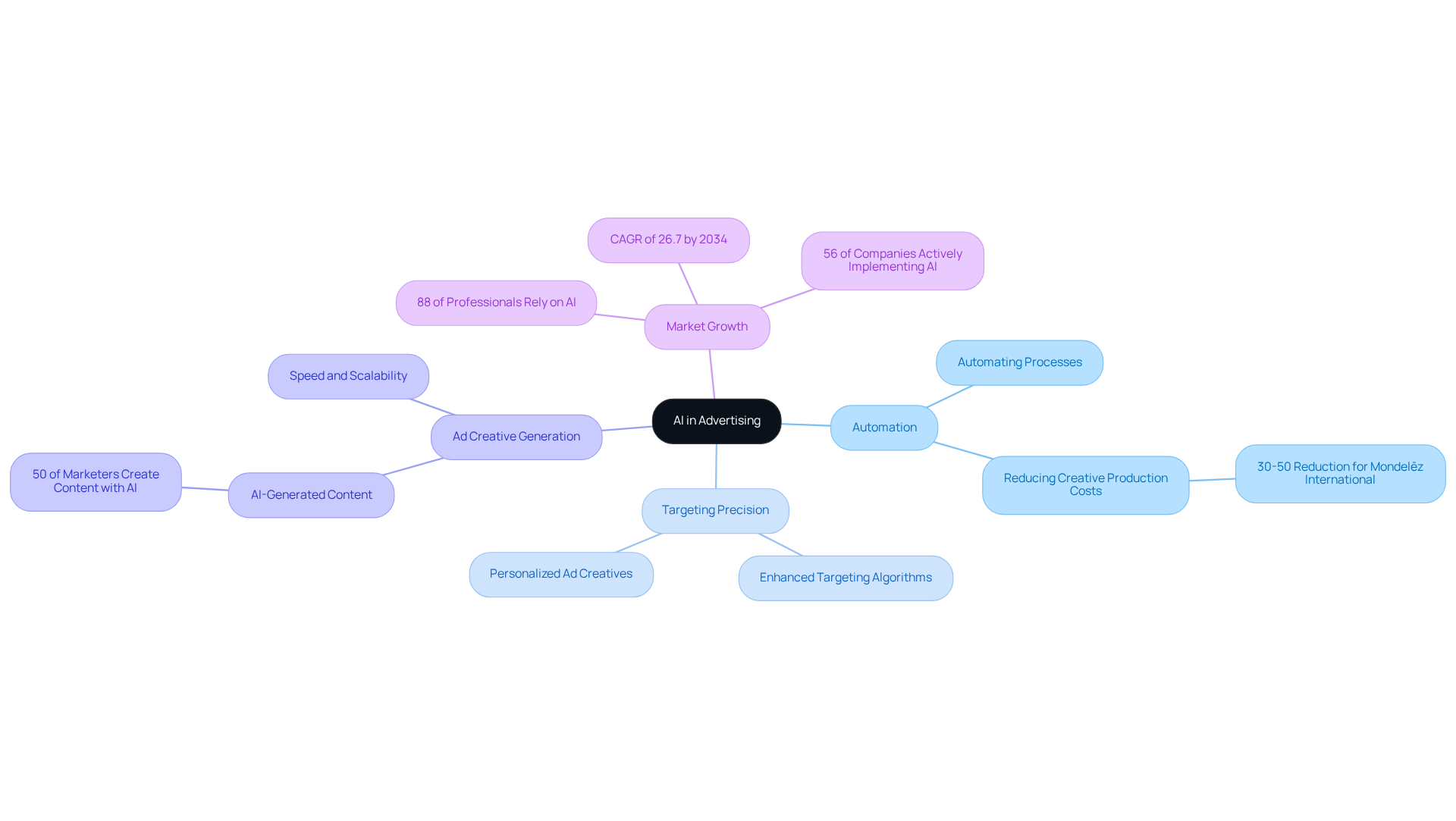
AI is fundamentally . By automating processes, , and generating at scale, it’s reshaping how marketers operate. Marketers can leverage AI tools to analyze extensive datasets, , and effectively. For instance, AI algorithms can discern which ad formats resonate most with specific audiences, enabling the creation of more .
Consider this: a recent survey revealed that in their current roles. This statistic underscores . Furthermore, the AI in marketing market is projected to grow at a compound annual growth rate (CAGR) of 26.7% by 2034. Such growth indicates a robust future for AI's role in advertising.
Understanding AI's capabilities enables advertisers to fully harness the , leading to enhanced engagement and increased conversion rates. As the industry evolves, the integration of is expected to drive significant advancements in . Many professionals are already recognizing its pivotal role in shaping future strategies. Are you ready to embrace AI and elevate your advertising efforts?
Adopt Best Practices for AI-Driven Creative Development
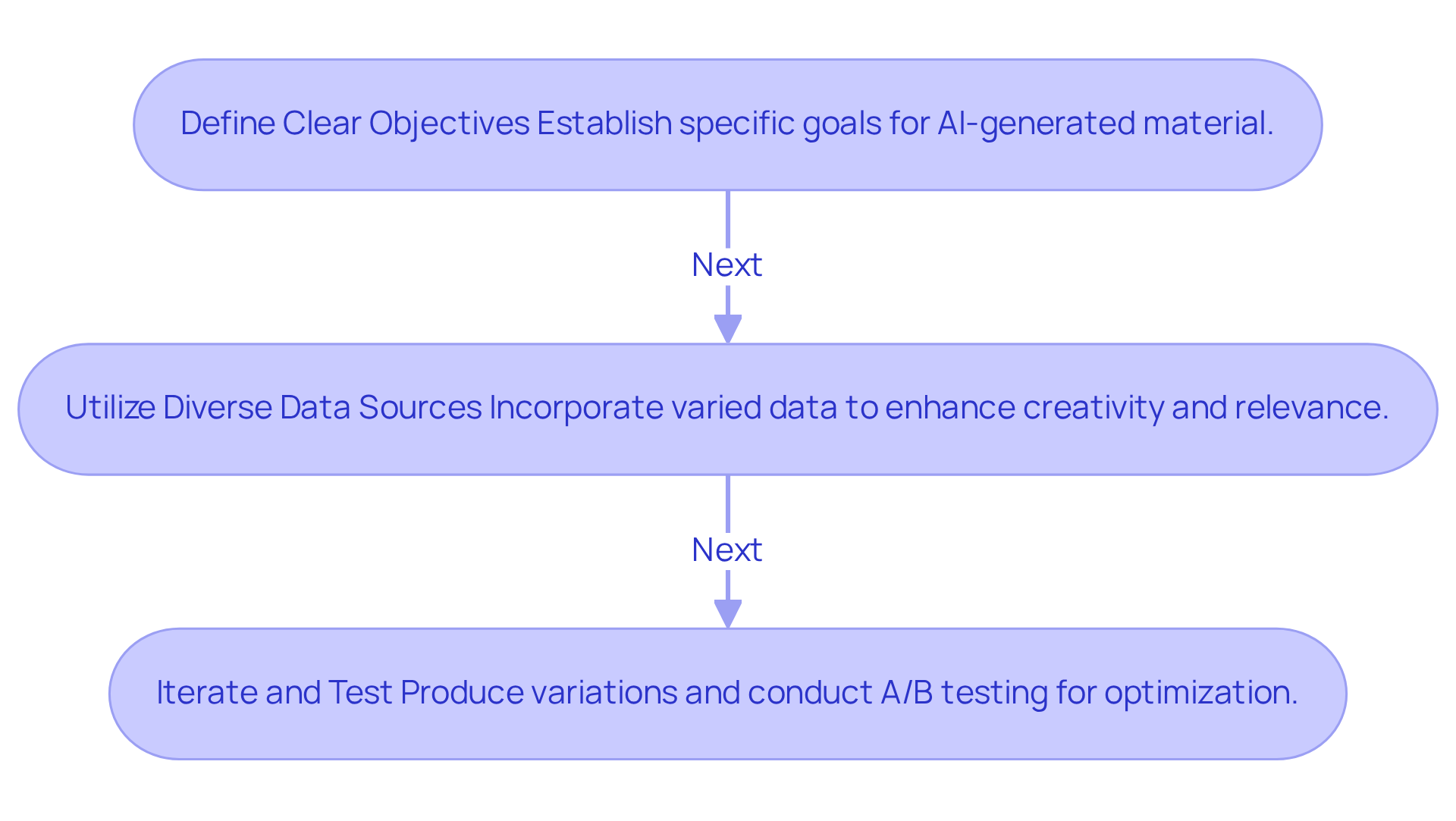
To effectively leverage AI in , marketers must adopt several best practices:
- Define Clear Objectives: Establish , such as , , or . Clear objectives are essential; they direct the innovative process and ensure alignment with overall marketing strategies. For instance, brands like L’Oréal have successfully integrated AI by focusing on precise campaign goals, resulting in a 14% lift in effectiveness.
- Utilize Diverse Data Sources: Enhance the by feeding systems with varied data. Incorporate customer feedback, market trends, and competitive analysis to inform AI-generated material. This method not only enriches the imaginative process but also aligns the content with audience expectations. In fact, 73% of businesses believe that AI enhances personalization strategies.
- Iterate and Test: Leverage AI to produce multiple imaginative variations and conduct to determine which versions resonate best with your audience. This and optimization of ad creatives, leading to better performance outcomes. Marketers using AI-driven storytelling have reported , underscoring the importance of testing and improving artistic assets.
Leverage Data for Continuous Optimization of AI Creatives
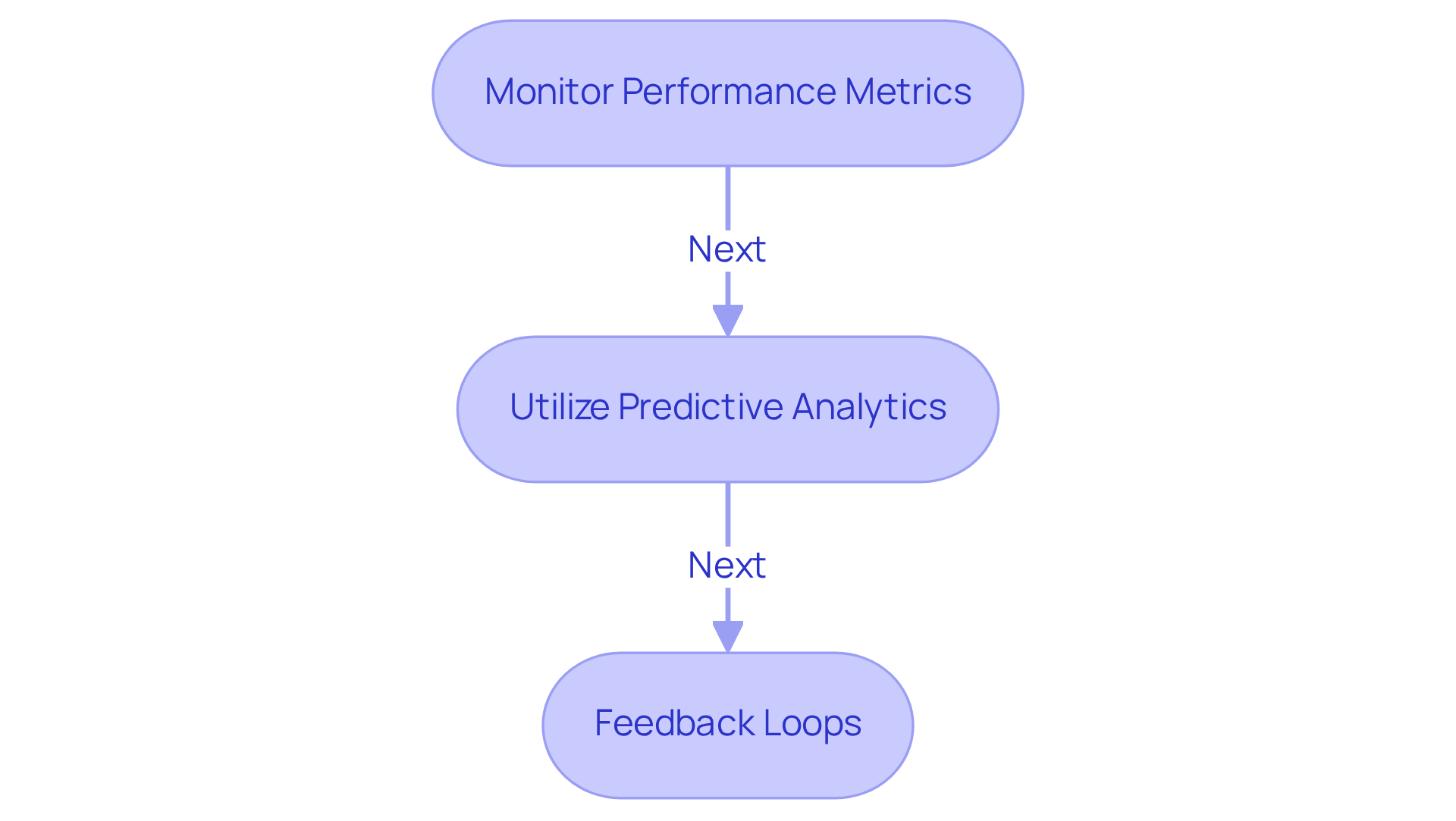
Data serves as the cornerstone for effective AI ad creatives, empowering advertisers to continuously refine their strategies. Consider these key approaches:
- : It's crucial to consistently track essential performance indicators like click-through rates (CTR), conversion rates, and . By 2025, , with the use of AI-driven segmentation yielding 32% higher conversions. This highlights the vital role of these metrics in assessing creative effectiveness.
- Utilize : Harness AI tools to analyze and predict future performance. This proactive strategy enables marketers to make informed adjustments to campaigns, enhancing their responsiveness to emerging trends and . For instance, a leading financial services firm utilized , resulting in a notable increase in .
- Feedback Loops: Establish systems for gathering . This iterative process ensures that AI ad creatives remain relevant and resonate with target audiences while adapting to changing market dynamics. By integrating insights from feedback and monitoring performance metrics linked to business outcomes, brands can refine their messaging and enhance overall campaign performance.
Integrate AI Creatives into Your Overall Marketing Strategy
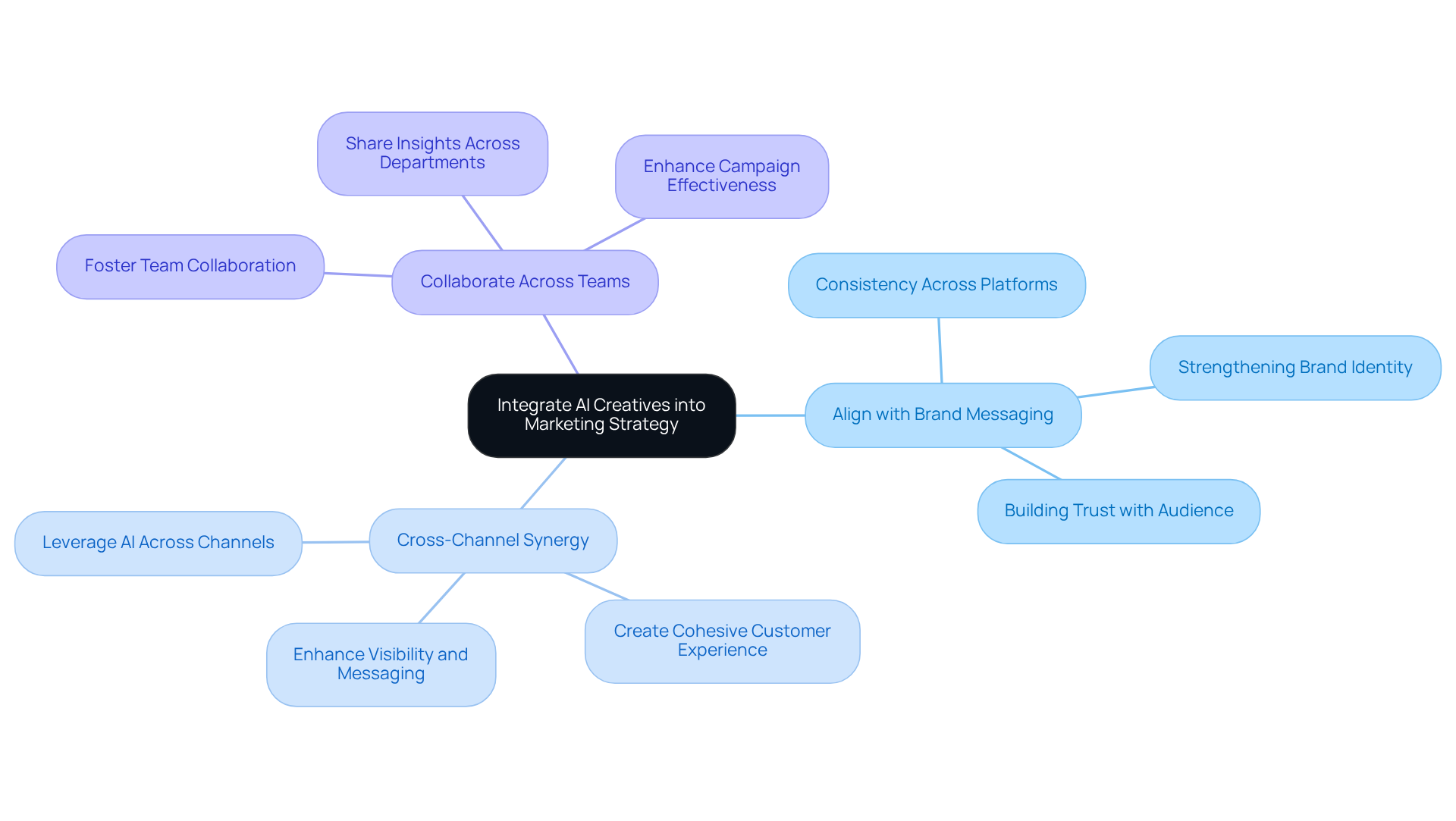
To maximize the impact of , marketers must seamlessly into their . How can you ensure your AI creatives resonate with your audience?
- : It's crucial that reflect your brand's voice and values. This consistency across all platforms not only strengthens brand identity but also builds trust with your audience.
- : Leverage across various channels - social media, email outreach, and display ads - to create a . This approach not only enhances visibility but also reinforces your messaging.
- : Foster collaboration among creative, data, and promotional teams. By ensuring that are utilized effectively and insights are shared across departments, you enhance the overall effectiveness of your marketing campaigns. This holistic approach is key to driving results.
Are you ready to elevate your marketing strategy with AI? to explore how these insights can transform your campaigns.
Conclusion
The integration of AI into advertising marks a significant shift, empowering marketers to refine their strategies and deepen consumer engagement. Understanding AI's role, adopting effective practices, and leveraging data for optimization enables businesses to craft compelling ad creatives that truly resonate with their target audiences. Embracing AI not only streamlines creative processes but also ensures that marketing efforts align with consumer expectations and market dynamics.
Key insights from this article highlight the necessity of:
- Defining clear objectives for AI-generated content
- Utilizing diverse data sources to enrich creativity
- Continuously monitoring performance metrics to refine strategies
Furthermore, fostering collaboration across teams and ensuring that AI creatives align with brand messaging can significantly enhance the effectiveness of marketing campaigns. The statistics presented, including the projected growth of AI in marketing and the substantial ROI from AI-driven storytelling, underscore the potential benefits of these practices.
As the advertising landscape evolves, leveraging AI creatives is no longer just an option; it’s a necessity for marketers aiming to remain competitive. By adopting these best practices and integrating AI into their overall marketing strategies, brands can enhance ad performance and forge stronger connections with their audiences. Now is the time for marketers to embrace AI's capabilities and harness its power to elevate their advertising efforts to unprecedented heights.
Frequently Asked Questions
How is AI transforming the advertising landscape?
AI is transforming advertising by automating processes, enhancing targeting precision, and generating ad creatives at scale, which reshapes how marketers operate.
What tools do marketers use AI for in advertising?
Marketers use AI tools to analyze extensive datasets, predict consumer behavior, and optimize ad placements effectively.
How do AI algorithms improve ad targeting?
AI algorithms can identify which ad formats resonate best with specific audiences, allowing for the creation of more personalized and impactful ad creatives.
What percentage of professionals in promotion rely on AI?
A recent survey revealed that 88% of professionals in promotion depend on AI in their current roles.
What is the projected growth rate for AI in marketing?
The AI in marketing market is projected to grow at a compound annual growth rate (CAGR) of 26.7% by 2034.
What benefits can advertisers expect from understanding AI's capabilities?
By understanding AI's capabilities, advertisers can harness the potential of AI ad creatives, leading to enhanced engagement and increased conversion rates.
What is the future outlook for AI in advertising?
The integration of AI ad creatives is expected to drive significant advancements in advertising effectiveness, indicating a robust future for AI's role in the industry.
List of Sources
- Understand the Role of AI in Advertising
- surveymonkey.com (https://surveymonkey.com/mp/ai-marketing-statistics)
- bloomberg.com (https://bloomberg.com/news/newsletters/2025-12-29/the-year-ahead-in-ai-ads-ipos-and-moving-beyond-llms)
- thecurrent.com (https://thecurrent.com/ai-reshaped-marketing-media-disney-coca-cola-wpp-2025)
- nielsen.com (https://nielsen.com/insights/2025/ai-redefining-marketing-today-tomorrow)
- 10 Eye Opening AI Marketing Stats | Digital Marketing Institute (https://digitalmarketinginstitute.com/blog/10-eye-opening-ai-marketing-stats-in-2025)
- Adopt Best Practices for AI-Driven Creative Development
- 10 Eye Opening AI Marketing Stats | Digital Marketing Institute (https://digitalmarketinginstitute.com/blog/10-eye-opening-ai-marketing-stats-in-2025)
- demandgenreport.com (https://demandgenreport.com/industry-news/feature/ai-agents-revolutionize-b2b-marketing-in-2025-from-automation-to-strategy/51106)
- synthesia.io (https://synthesia.io/post/ai-statistics)
- fastcompany.com (https://fastcompany.com/91436551/how-ai-is-reshaping-agency-strategy-and-storytelling-in-2025)
- emarketer.com (https://emarketer.com/content/ai-driven-creative-tools-expand-fast-challenging-traditional-agency-model)
- Leverage Data for Continuous Optimization of AI Creatives
- marketing.sfgate.com (https://marketing.sfgate.com/blog/ai-powered-marketing)
- nielsen.com (https://nielsen.com/insights/2025/ai-redefining-marketing-today-tomorrow)
- christopherspenn.com (https://christopherspenn.com/2025/11/almost-timely-news-🗞️-3-phases-of-optimizing-for-ai-2025-11-23)
- martech360.com (https://martech360.com/tech-analytics/how-ai-is-transforming-campaign-performance-for-marketers)
- loopexdigital.com (https://loopexdigital.com/blog/ai-marketing-statistics)
- Integrate AI Creatives into Your Overall Marketing Strategy
- emarketer.com (https://emarketer.com/content/how-ai-rewired-marketing-2025--breakout-use-cases-marketing-leaders)
- nielsen.com (https://nielsen.com/insights/2025/ai-redefining-marketing-today-tomorrow)
- fastcompany.com (https://fastcompany.com/91436551/how-ai-is-reshaping-agency-strategy-and-storytelling-in-2025)
- 10 Eye Opening AI Marketing Stats | Digital Marketing Institute (https://digitalmarketinginstitute.com/blog/10-eye-opening-ai-marketing-stats-in-2025)
- marketing.sfgate.com (https://marketing.sfgate.com/blog/ai-powered-marketing)