Introduction
In an era where fashion trends shift at breakneck speed, connecting with consumers through social media is not just beneficial - it's essential for brands aiming to succeed. This article explores four best practices that can significantly enhance social media fashion marketing. We’ll dive into:
- Identifying target audiences
- Leveraging user-generated content
- Utilizing data analytics
- Implementing cross-platform strategies
But as the digital landscape grows more competitive, how can brands ensure their marketing efforts resonate and drive real results? By examining these strategies, we uncover the key to achieving success in the ever-evolving world of fashion marketing.
Identify Target Audience and Market Trends
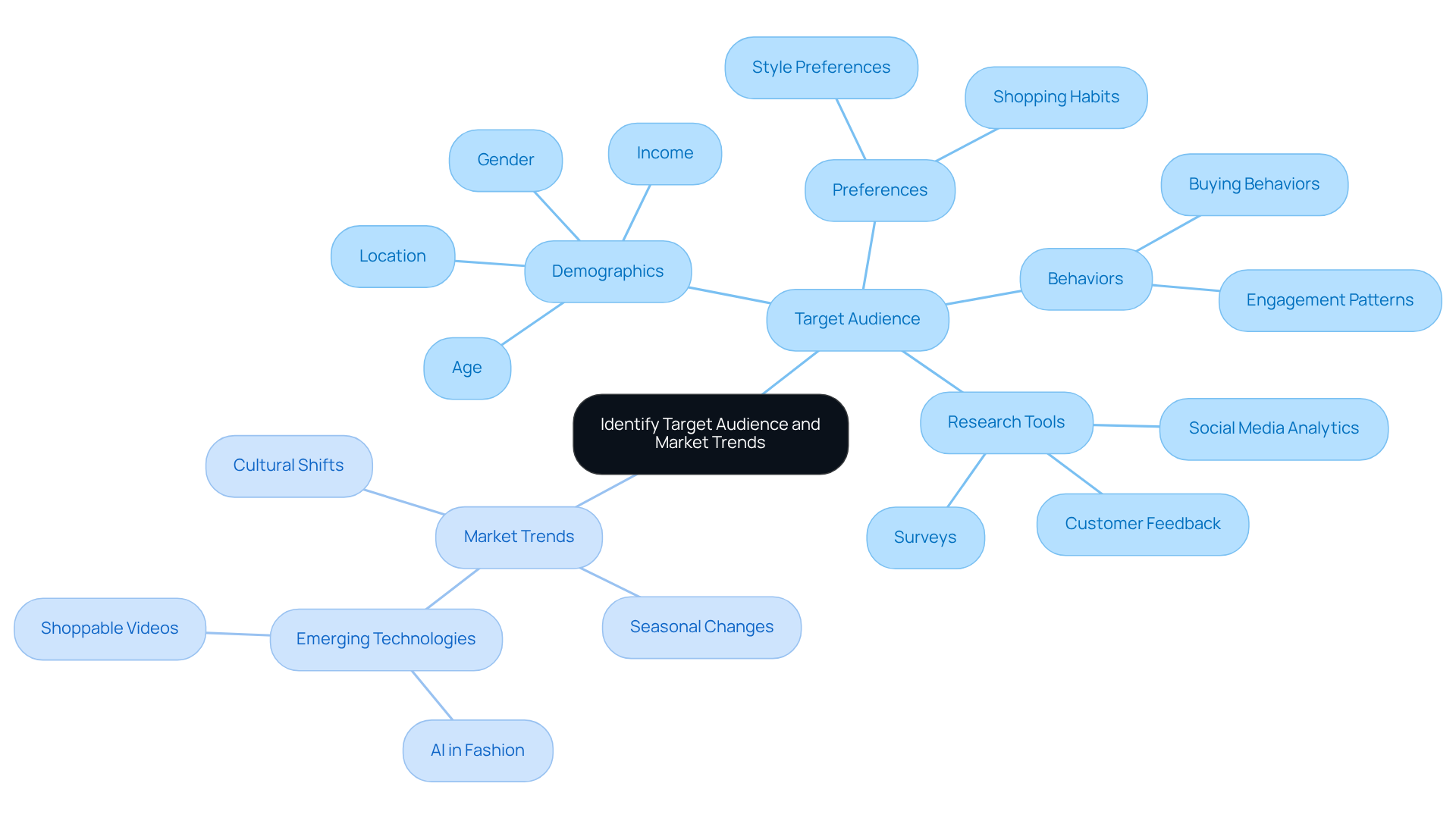
To succeed in social media fashion marketing, companies must first . This requires thorough market research to grasp demographics, preferences, and behaviors. Tools like , social media analytics, and customer feedback are invaluable for . For example, by segmenting their audience based on age, gender, and shopping habits, companies can craft more .
Furthermore, staying abreast of . The fashion industry is dynamic, shaped by cultural shifts, seasonal changes, and . Regularly examining industry reports, following style influencers, and engaging with trend forecasting platforms allows companies to anticipate shifts in . If sustainability emerges as a key trend, for instance, companies can adapt their messaging and product offerings to resonate with consumer values.
Leverage User-Generated Content for Authentic Engagement
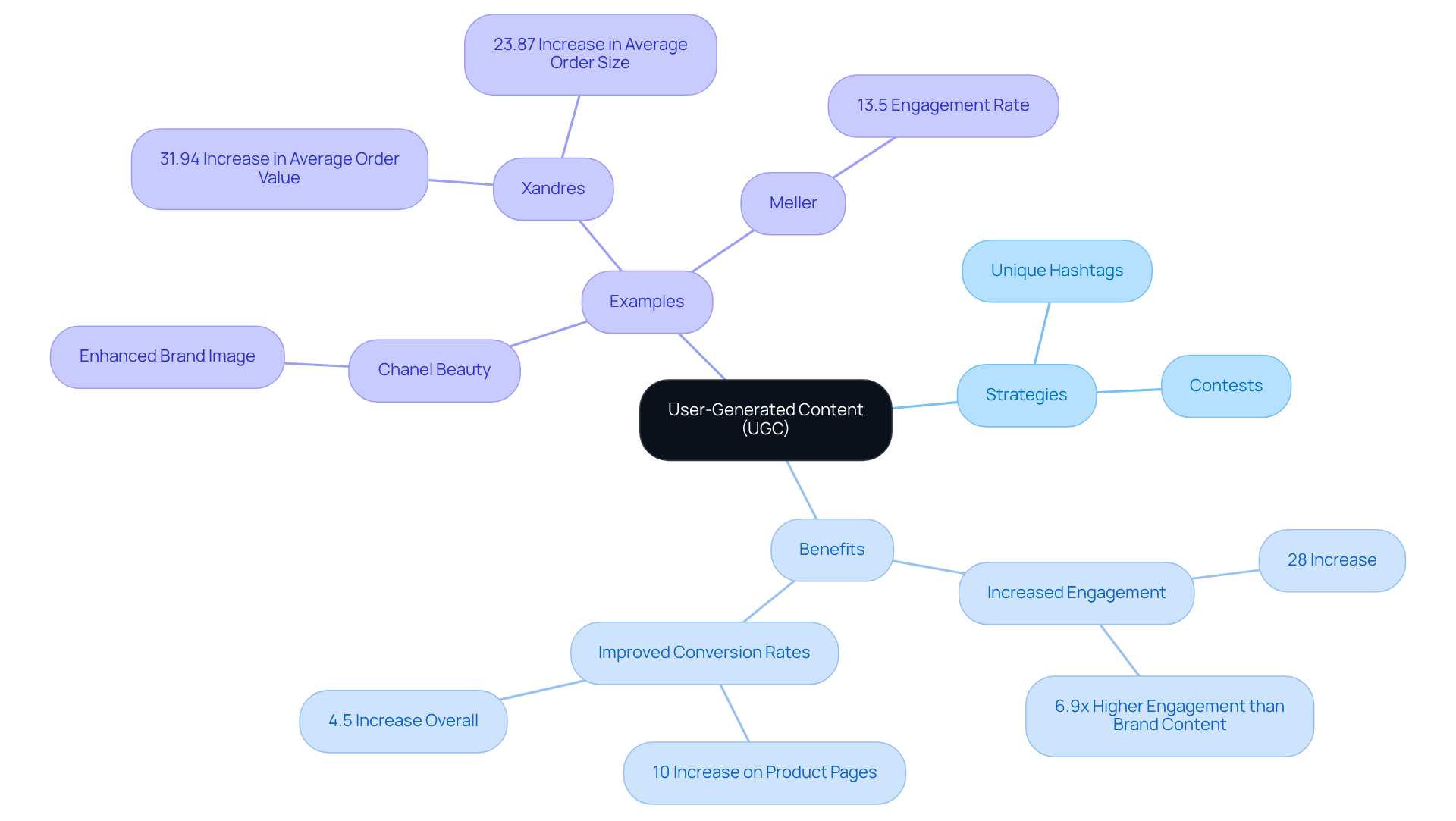
(UGC) serves as a vital asset for clothing companies focusing on to boost engagement and authenticity. How can brands encourage clients to share their experiences? By developing and organizing contests. For example, a fashion label might launch a campaign inviting individuals to post photos in their latest collection, rewarding the most creative submissions with enticing prizes. This strategy not only fosters participation but also cultivates a sense of community among followers, deepening emotional connections with the brand.
Incorporating UGC on official channels allows brands to showcase authentic users and their unique styles, significantly enhancing trust and relatability. Research indicates that UGC can elevate engagement rates by approximately 28% and improve by as much as 10%. These figures underscore its importance in strategies. Successful examples abound, such as , which adeptly integrates UGC to uphold its luxury image while nurturing a loyal customer base. Similarly, Xandres witnessed an impressive 31.94% increase in average order value after adopting a UGC strategy, illustrating the tangible benefits of genuine customer engagement.
By prioritizing UGC, fashion companies can enhance their to transform the shopping experience from passive browsing into an engaging journey that resonates personally with consumers. This approach not only fortifies but also amplifies overall visibility and trust in the marketplace. However, brands must exercise careful curation of UGC to ensure alignment with their image and actively gather authentic client content through social listening and branded hashtags.
Utilize Data Analytics for Campaign Optimization
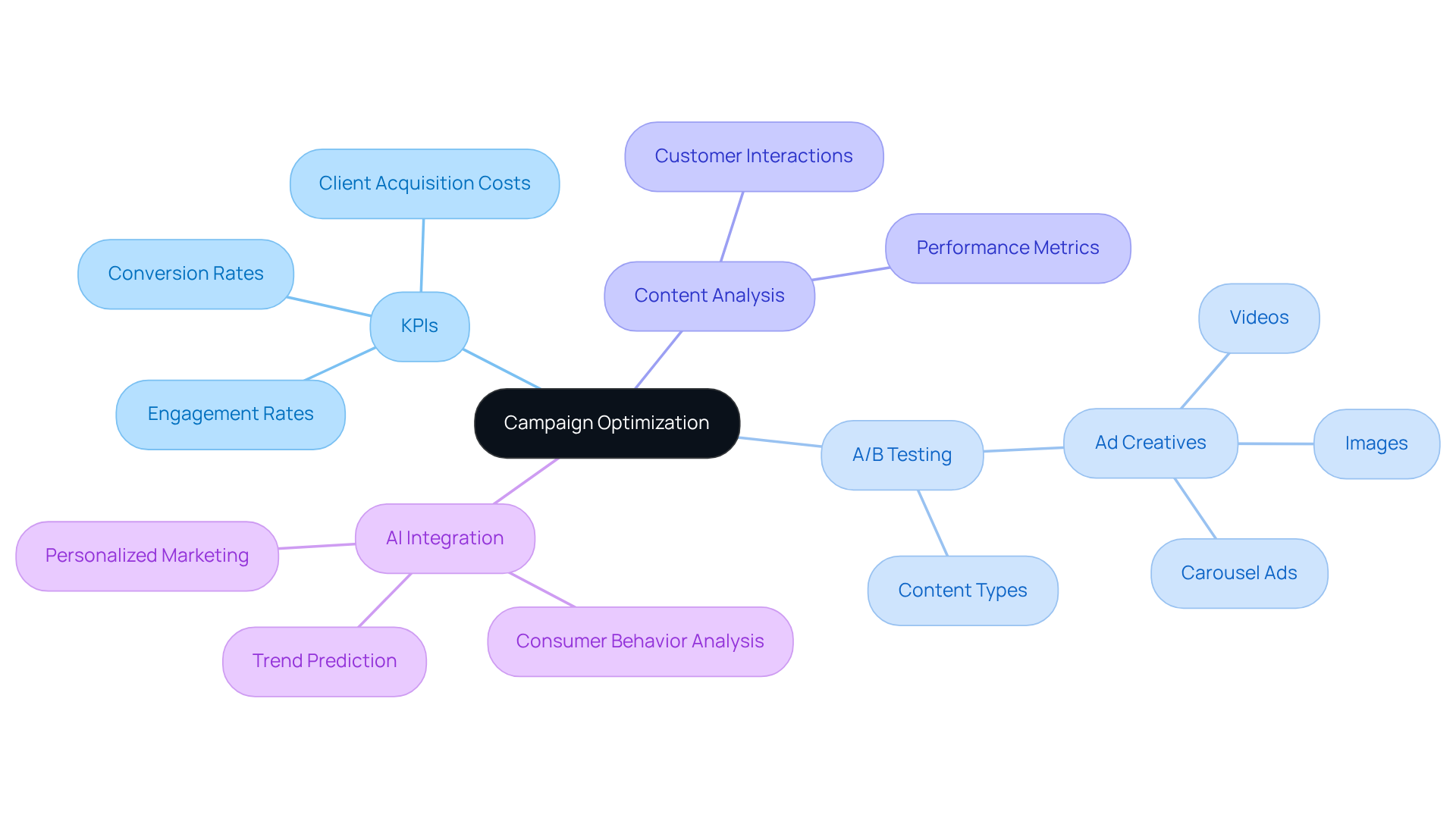
To maximize the effectiveness of social media fashion marketing, fashion brands must leverage . Establishing clear KPIs () such as engagement rates, conversion rates, and client acquisition costs is essential. By utilizing analytics tools, brands can across various platforms, ensuring a comprehensive view of their performance.
is a valuable method for identifying which ad creatives resonate most with your audience. Analyzing the performance of different content types - like videos, images, or carousel ads - allows brands to pinpoint what drives the most engagement. Furthermore, insights from can enhance targeting methods and improve future campaigns.
Moreover, can significantly boost . AI analyzes consumer behavior and predicts trends, enabling brands to tailor their content more effectively. As Andrea Surnit aptly states, "If you want to grow in 2025, don’t just optimize the bottom of the funnel. Build a bigger one." This approach underscores the importance of to enhance efficiency and reach new customers. Brands that embrace a in their social media fashion marketing can observe substantial improvements in their marketing ROI, positioning themselves for success in the competitive apparel industry.
Implement Cross-Platform Strategies for Maximum Reach
To effectively engage a diverse audience, fashion labels must adopt that emphasize with tailored content for each platform while maintaining a consistent identity. Did you know that 32% of Americans made purchases directly through social media in the past year? This statistic underscores the importance of these platforms in driving sales and consumer trust. For instance, short-form videos thrive on TikTok, where authenticity and trend participation drive engagement, while detailed product showcases resonate more with Instagram users, who favor polished visuals and curated storytelling.
Utilizing scheduling tools can help maintain a consistent posting cadence across platforms, ensuring that audiences receive regular updates. In addition, integrating campaigns that encourage can further enhance visibility for the company. For example, a campaign prompting users to share their TikTok videos on Instagram can create a seamless experience that drives traffic and engagement across platforms. However, it’s crucial to acknowledge that 50.9% of retail marketers face challenges with effective cross-channel communication, emphasizing the difficulties involved in implementing these approaches.
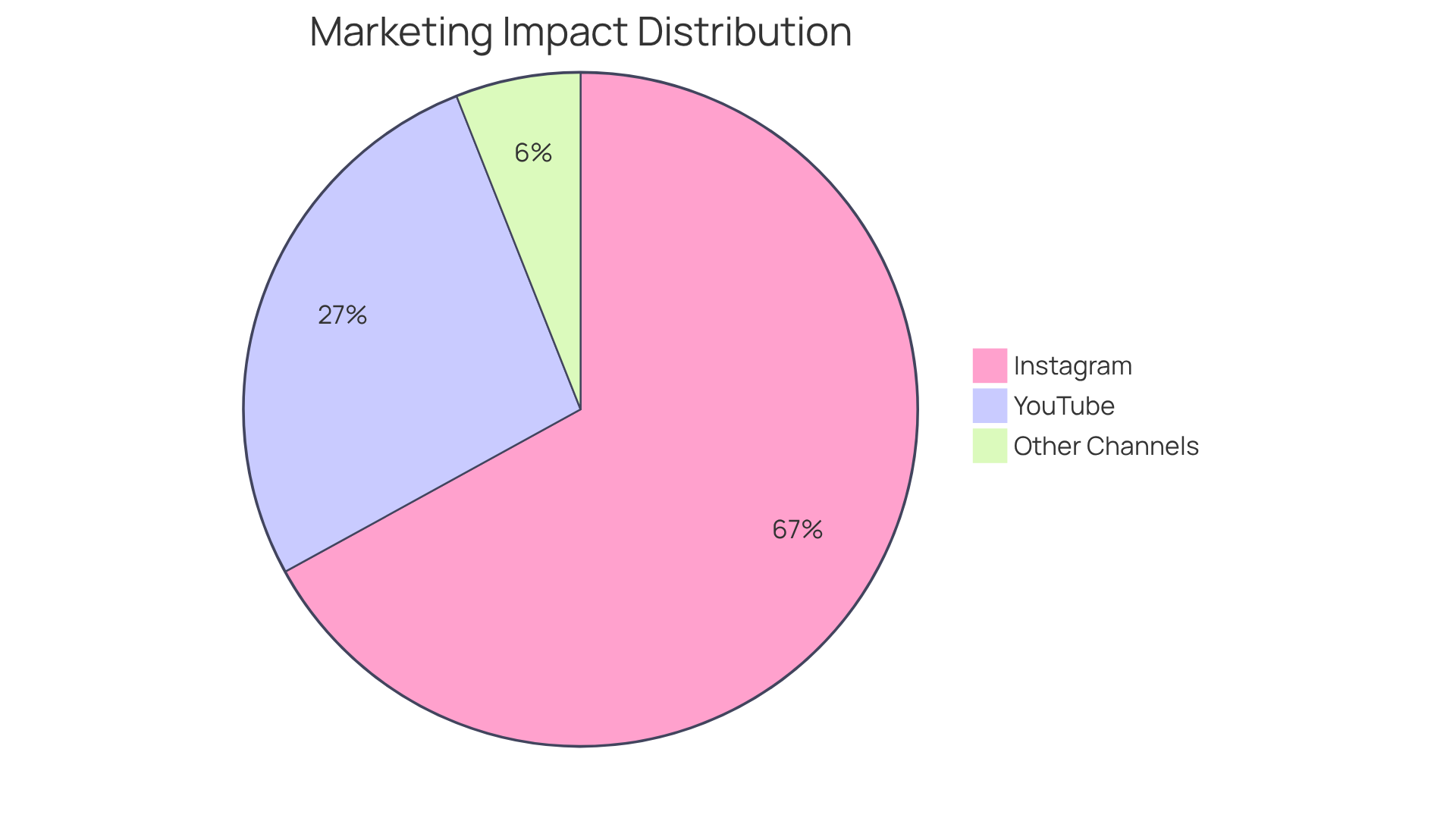
Successful companies are already experiencing the advantages of . Take New Balance, for instance. Their in 2024 resulted in 67% of its impact coming from Instagram and 27% from YouTube, leading to a remarkable 55% increase in Marketing Impact Value (MIV). This demonstrates how a well-executed cross-platform strategy in can significantly enhance both sales and product awareness. Furthermore, companies utilizing attain a 13% greater , further highlighting the financial advantages of embracing a .
As social media continues to evolve, companies should prioritize a data-driven approach to tailor content effectively. This includes understanding the unique strengths of each platform and leveraging insights from user engagement to refine strategies. With nearly , is crucial. By embracing a holistic cross-platform approach to , fashion brands can enhance visibility, foster deeper connections with consumers, and ultimately drive sales.
Conclusion
In the competitive realm of social media fashion marketing, understanding your target audience and market trends is not just important - it's essential for success. By conducting thorough market research and keeping a pulse on emerging trends, brands can craft tailored marketing strategies that truly resonate with consumers. This foundational step not only boosts engagement but also ensures that messaging aligns with consumer values, such as sustainability.
Moreover, leveraging user-generated content (UGC) emerges as a powerful tool for fostering authentic engagement. When brands encourage customers to share their experiences and showcase this content, they build trust and community - both crucial for enhancing conversion rates. Additionally, utilizing data analytics empowers fashion companies to optimize their campaigns effectively. By monitoring key performance indicators and employing A/B testing, brands can refine their strategies and significantly enhance their return on investment.
Looking ahead, it’s imperative for fashion brands to adopt cross-platform marketing strategies that maximize reach and engagement. Tailoring content to fit the unique characteristics of each platform while maintaining a consistent brand identity can dramatically enhance visibility and foster deeper connections with the audience. As the landscape of fashion marketing continues to evolve, embracing these best practices will be vital for brands aiming to thrive in 2025 and beyond. Taking action now by implementing these strategies can lead to more successful and impactful marketing efforts in the ever-changing fashion industry.
Frequently Asked Questions
Why is identifying the target audience important in social media fashion marketing?
Identifying the target audience is crucial because it allows companies to understand demographics, preferences, and behaviors, enabling them to craft personalized marketing strategies.
What methods can companies use to identify their target audience?
Companies can use tools such as surveys, social media analytics, and customer feedback to gather data about their target audience.
How can audience segmentation improve marketing strategies?
By segmenting their audience based on factors like age, gender, and shopping habits, companies can create more tailored and effective marketing strategies that resonate with specific groups.
Why is it important to stay updated on market trends in the fashion industry?
Staying updated on market trends is vital because the fashion industry is dynamic and influenced by cultural shifts, seasonal changes, and emerging technologies, which can affect consumer preferences.
What are some ways companies can keep track of market trends?
Companies can regularly examine industry reports, follow style influencers, and engage with trend forecasting platforms to anticipate shifts in consumer preferences.
How can companies adapt their marketing strategies to align with emerging trends?
Companies can adapt their messaging and product offerings to resonate with consumer values when key trends, such as sustainability, emerge in the market.
List of Sources
- Identify Target Audience and Market Trends
- The State of Fashion 2026: When the rules change (https://mckinsey.com/industries/retail/our-insights/state-of-fashion)
- 18 Fashion Marketing Trends for 2026: A Brand Roadmap (https://gotolstoy.com/blog/fashion-marketing-trends)
- fabriclore.com (https://fabriclore.com/blogs/fashion-business-lifestyle-trends/how-to-define-your-target-audience-for-your-fashion-business?srsltid=AfmBOor-fYEpgnqU_jnLZwf8LoWz2j39g0k3gRevFAInoPwW50KRwXd9)
- designity.com (https://designity.com/blog/social-media-marketing-for-fashion-brands)
- Leverage User-Generated Content for Authentic Engagement
- getflowbox.com (https://getflowbox.com/blog/fashion-and-apparel-ugc)
- socialtargeter.com (https://socialtargeter.com/blogs/leveraging-user-generated-content-to-foster-deep-brand-engagement-in-the-fashion-industry)
- luxurymarketingconnectmonaco.mc (https://luxurymarketingconnectmonaco.mc/news/the-ugc-trend-on-social-media-how-luxury-brands-like-chanel-beauty-are-leading-the-way)
- taggbox.com (https://taggbox.com/blog/ugc-fashion)
- veicolo-agency.com (https://veicolo-agency.com/post/enable-ugc-user-generated-content-marketing-for-your-fashion-brand-today)
- Utilize Data Analytics for Campaign Optimization
- ww.fashionnetwork.com (https://ww.fashionnetwork.com/news/Marketing-how-to-optimize-data-collection-and-analysis,1422112.html)
- statista.com (https://statista.com/statistics/1299355/tik-tok-marketing-kpis-fashion-luxury?srsltid=AfmBOooA2htPu9Q8gTLf0xsz2KqxN2Tb3k_NrswcZtup0PoxfaiWdEGI)
- lcca.ac.uk (https://lcca.ac.uk/blog/fashion/how-ai-is-reshaping-fashion-marketing-campaigns)
- postaffiliatepro.com (https://postaffiliatepro.com/faq/fashion-marketing-kpis-metrics)
- news.designrush.com (https://news.designrush.com/full-funnel-fashion-marketing-tactics)
- Implement Cross-Platform Strategies for Maximum Reach
- digiday.com (https://digiday.com/sponsored/how-brands-are-extending-social-influence-and-commanding-cross-platform-conversations)
- amraandelma.com (https://amraandelma.com/cross-platform-marketing-statistics)
- launchmetrics.com (https://launchmetrics.com/resources/blog/social-media-marketing-fashion)
- centra.com (https://centra.com/news/fashion-ecommerce-marketing-channels-report)
- businessoffashion.com (https://businessoffashion.com/reports/marketing-pr/strategies-transforming-fashion-and-beauty-customer-experience-bof-braze-knowledge-report)