
Introduction
Crafting the perfect visual identity is no small feat, especially in an era where image-driven marketing reigns supreme. Brands are constantly vying for attention in a saturated market, making collaboration with the right product photographers not just beneficial, but essential. This article explores best practices that streamline the partnership process and elevate the quality of the imagery produced. But how can brands ensure they effectively communicate their vision and foster a collaborative environment that leads to stunning results? Let's dive in.
Identify Your Brand's Visual Style and Needs
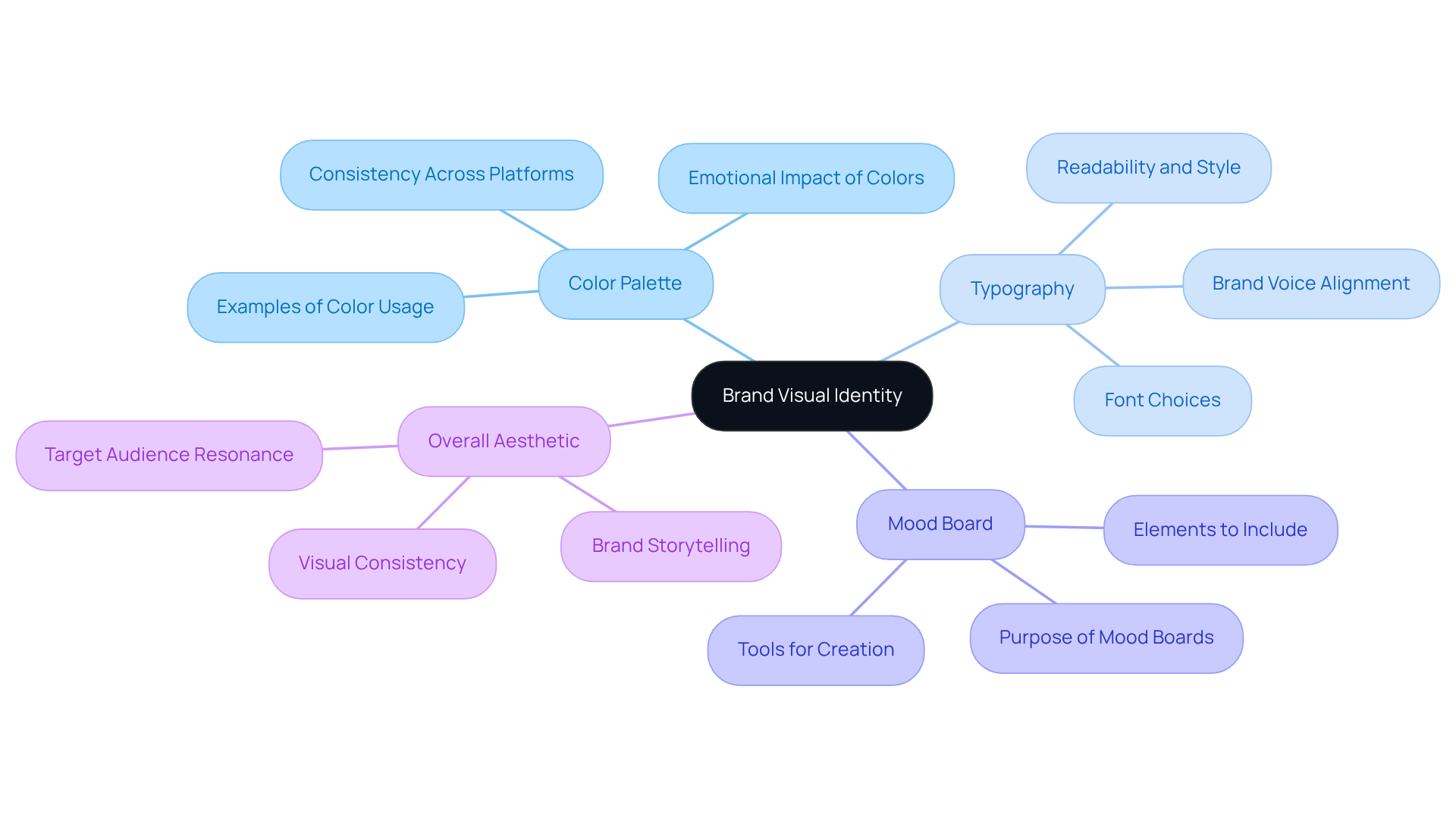
Before collaborating with image creators, it’s essential to grasp your identity’s aesthetic and . What does your ? Start by defining your identity’s , typography, and overall aesthetic. Consider that encapsulates the desired look and feel of your . This not only articulates your vision to photographers but also ensures that the final images resonate with your .
For instance, if your brand is known for its minimalist approach, your should reflect that simplicity. Avoid cluttered backgrounds or overly intricate arrangements. By doing so, you create a cohesive that speaks directly to your audience, enhancing their connection with your brand.
Establish Clear Communication and Expectations
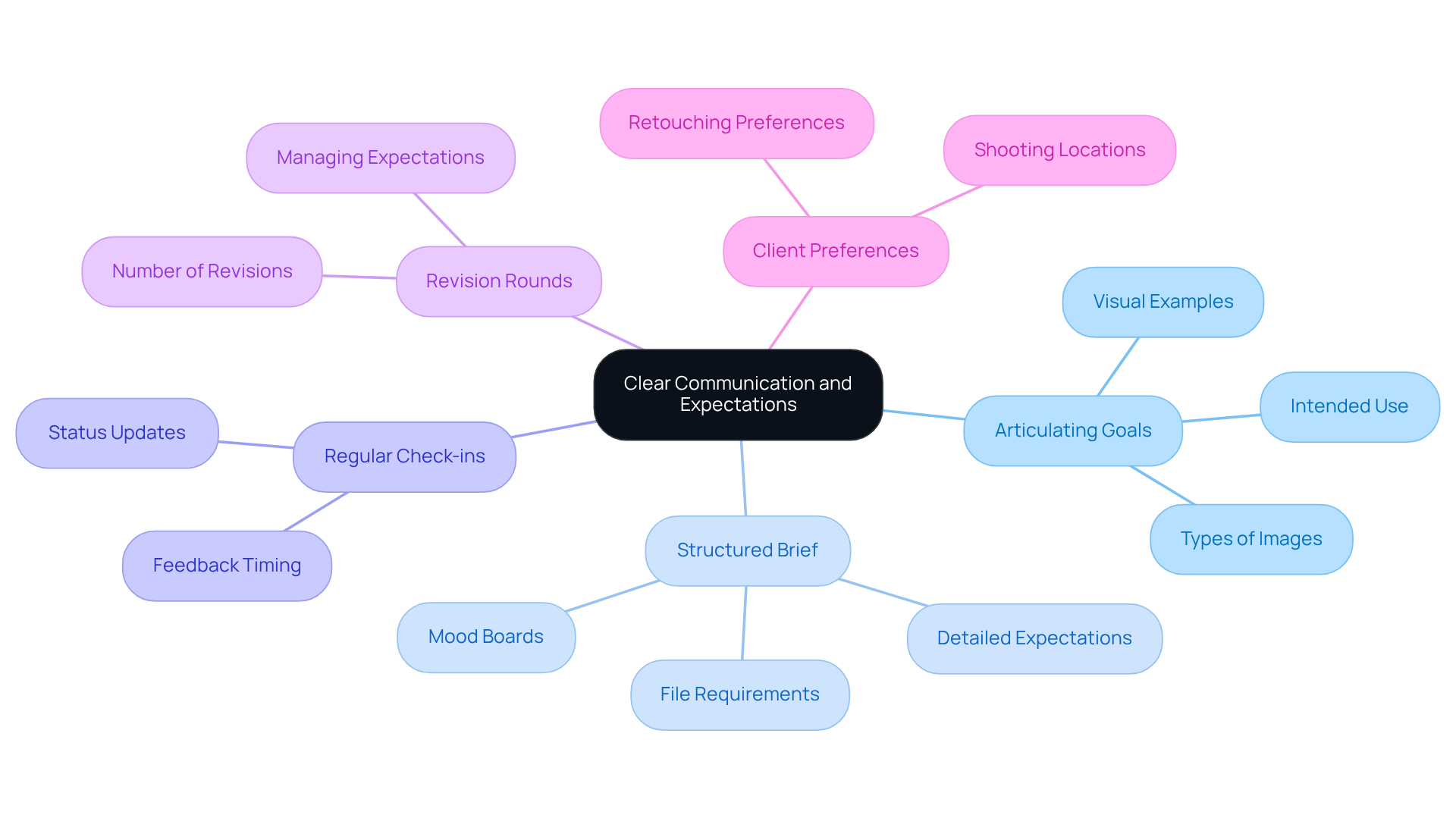
Effective communication is vital for the success of any project involving the . Begin by clearly articulating your goals, including the intended use of the images and any specific requirements. A well-structured brief should detail your expectations regarding style, composition, and deadlines. For example, specify the - whether for e-commerce, social media, or marketing materials - and include to convey your desired aesthetic, as highlighted in the case study on including visual examples.
Regular check-ins throughout the process are crucial to keeping the . included in your agreement to manage expectations effectively. This proactive approach not only minimizes misunderstandings but also fosters a , enhancing the overall client experience. Furthermore, addressing , such as retouching, can further improve collaboration, as discussed in the . By setting clear expectations from the outset, you can ensure that the contribute to a smoother workflow and a more satisfying outcome.
Utilize Social Media to Discover and Connect with Photographers
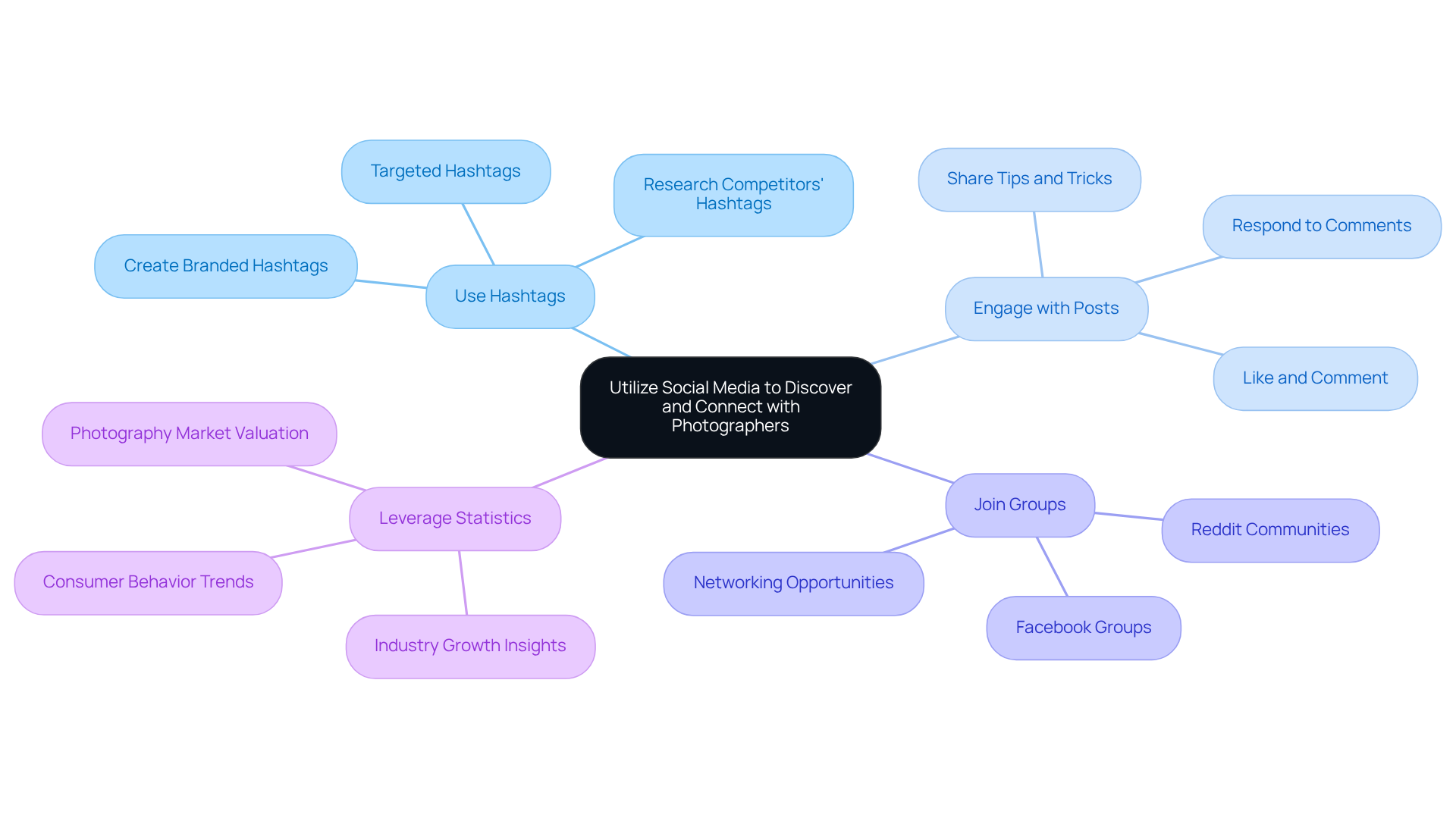
Social media stands as a formidable tool for discovering visual artists who resonate with your brand's aesthetic. Platforms like Instagram and Pinterest are perfect for delving into diverse portfolios and uncovering . To streamline your search for the , utilize such as #productphotography and #commercialshooter. Engaging with their posts through likes and comments can cultivate a connection before you reach out directly.
Furthermore, consider joining groups centered on imagery on platforms like Facebook or Reddit. Here, you can pose questions and gather recommendations from fellow members. This approach not only expands your options but also connects you with the who are attuned to the latest trends in , thereby enhancing your brand's marketing efforts.
The global photography services sector was valued at approximately $33.5 billion in 2023, with projections indicating it will surpass $60 billion by 2032. This underscores the increasing demand for skilled professionals in this arena. As Daniel Wright, a professional photographer, aptly states, ", helping professional photographers stay up-to-date in the evolving digital imaging market."
Moreover, with by 2024, effectively leveraging social media can pave the way for improved brand partnerships and elevated engagement rates.
Foster Ongoing Collaboration and Provide Constructive Feedback
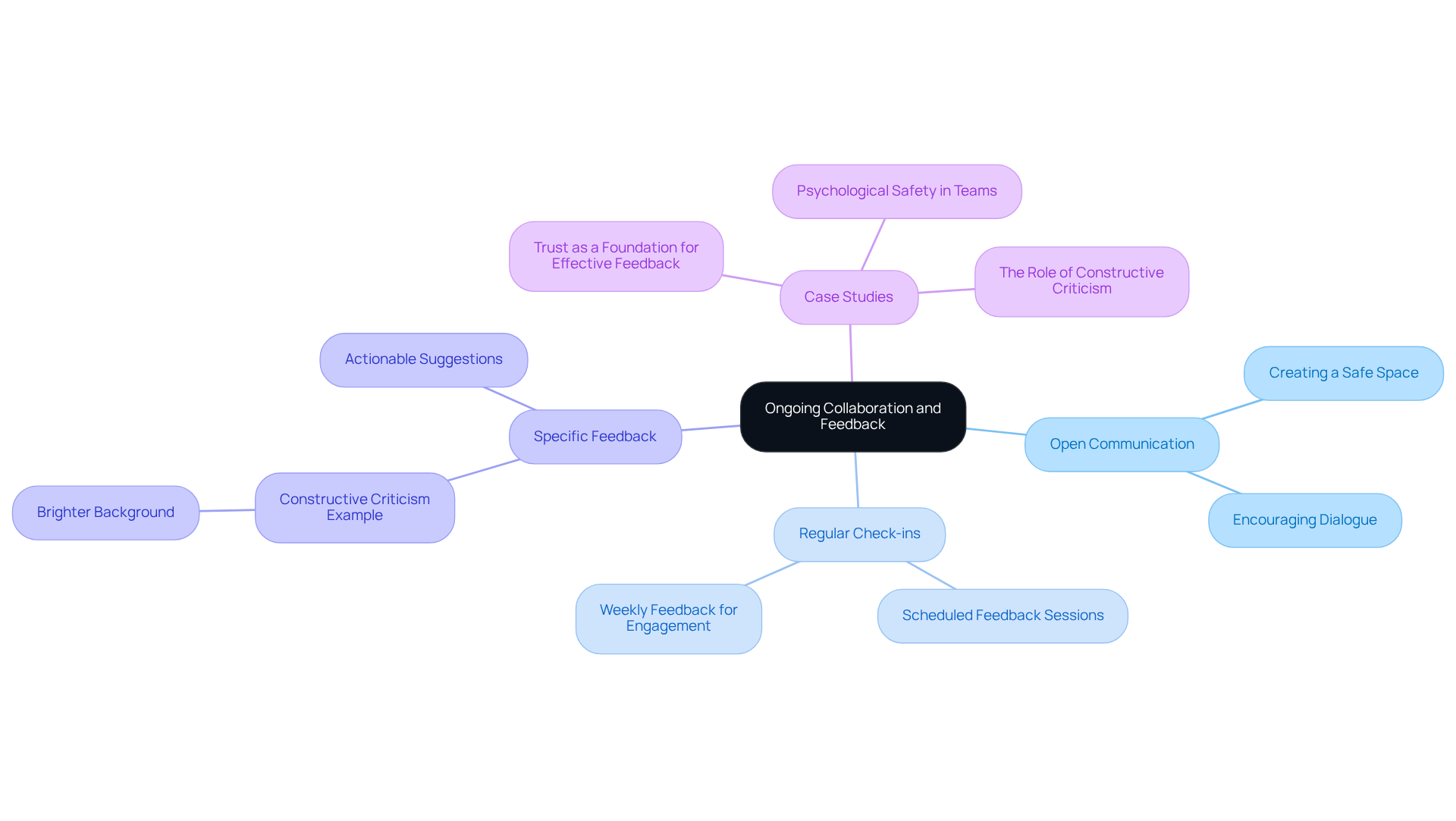
Once the photography project is underway, maintaining an is crucial. Did you know that companies with experience 14.9% lower turnover rates and higher engagement? Schedule regular check-ins to discuss progress and provide feedback. When , be specific about what you like and what could be improved. For instance, instead of saying, 'This isn't what I wanted,' you might say, 'I was hoping for a to make the product pop more.' This where both parties feel valued and motivated to achieve the best results. As Taylor Mallory Holland states, ',' highlighting its significance in the creative process. Furthermore, incorporating insights from case studies, such as 'The Role of Constructive Criticism,' illustrates how and ultimately lead to better outcomes.
Conclusion
Effectively collaborating with product photographers can dramatically elevate your brand's visual representation. By pinpointing your brand's unique aesthetic, establishing clear communication, leveraging social media, and nurturing ongoing partnerships, you can ensure that your photography projects not only meet but exceed expectations.
Key practices include:
- Defining your visual style to forge a cohesive identity
- Setting clear goals and expectations for projects
- Utilizing social media to discover and connect with talented photographers
- Maintaining open lines of communication for constructive feedback
Each of these elements is vital for achieving a successful partnership with photographers, ultimately leading to images that resonate deeply with your target audience.
As the demand for skilled photographers continues to grow, embracing these best practices will streamline the collaboration process and enhance the overall quality of your brand's visual storytelling. By prioritizing effective communication and constructive feedback, you can cultivate lasting relationships with photographers, ensuring that every image reflects your core identity and engages your audience effectively.
Frequently Asked Questions
Why is it important to identify your brand's visual style before collaborating with image creators?
Identifying your brand's visual style is crucial because it helps define your identity's aesthetic and specific requirements, ensuring that the final images resonate with your target audience.
What elements should be defined in a brand's visual identity?
A brand's visual identity should include its color palette, typography, and overall aesthetic.
How can a mood board be useful in defining a brand's visual style?
A mood board serves as a visual guide that encapsulates the desired look and feel of your product images, helping to articulate your vision to photographers.
What should product images reflect if a brand is known for its minimalist approach?
If a brand is known for its minimalist approach, product images should reflect simplicity by avoiding cluttered backgrounds or overly intricate arrangements.
How does a cohesive visual identity impact audience connection with a brand?
A cohesive visual identity enhances the connection between the audience and the brand by creating a consistent and recognizable aesthetic that speaks directly to them.
List of Sources
- Identify Your Brand's Visual Style and Needs
- studiobinder.com (https://studiobinder.com/blog/how-to-make-a-photography-mood-board)
- shopify.com (https://shopify.com/blog/photography-style-guide)
- creativelysquared.com (https://creativelysquared.com/article/how-to-elevate-your-visual-narrative-through-moodboards-and-collages)
- squareshot.com (https://squareshot.com/post/how-to-create-a-photography-style-guide-expert-guide)
- wallpics.com (https://wallpics.com/blogs/news/the-power-of-mood-boards-in-photography-a-complete-guide-for-visual-alignment)
- Establish Clear Communication and Expectations
- shootproof.com (https://shootproof.com/blog/client-communication-best-practices-for-photographers)
- bethanylavinphotography.com (https://bethanylavinphotography.com/how-to-create-a-photoshoot-brief-to-send-to-photographers)
- ppa.com (https://ppa.com/articles/mastering-client-communication-elevate-your-photography-business-with-the-right-words)
- omi.so (https://omi.so/resources/blog/product-photography-brief)
- prodoto.com (https://prodoto.com/behind-prodoto/how-to-guides/creating-the-ideal-brief-for-your-product-photography)
- Utilize Social Media to Discover and Connect with Photographers
- greatbigphotographyworld.com (https://greatbigphotographyworld.com/photography-statistics)
- photoaid.com (https://photoaid.com/blog/mobile-photography-statistics?srsltid=AfmBOorJr3EDW4HA28LQNpN2PIUeRLI79viSfiMBvtaydxYQjbX1kxYb)
- linkedin.com (https://linkedin.com/pulse/photography-industry-statistics-pankaj-pandey-4uylf)
- greatbigphotographyworld.com (https://greatbigphotographyworld.com/social-media-networks-for-photographers)
- creativelysquared.com (https://creativelysquared.com/article/15-product-photographers-to-follow-on-instagram-right-now)
- Foster Ongoing Collaboration and Provide Constructive Feedback
- 4time.co.za (https://4time.co.za/the-importance-of-feedback-in-the-creative-world)
- skyword.com (https://skyword.com/contentstandard/how-effective-feedback-fuels-a-culture-of-creative-thinking)
- erickimphotography.com (https://erickimphotography.com/blog/2018/03/17/how-to-give-a-constructive-critique-in-photography)
- digital-photography-school.com (https://digital-photography-school.com/constructive-photography-critique-how-to-give-and-receive-with-grace)
- zenfolio.com (https://zenfolio.com/blog/turn-feedback-into-photography-growth)