
Introduction
Crafting a successful influencer marketing campaign demands more than just a hefty budget; it requires strategic planning and precise execution. This guide lays out the essential steps for effectively hiring a social media influencer, ensuring brands not only choose the right advocate but also align their marketing goals with measurable outcomes. With a myriad of influencer types and engagement metrics to consider, how can brands navigate this intricate landscape to forge authentic connections and achieve meaningful results?
Furthermore, understanding the nuances of influencer marketing is crucial. Brands must recognize that the right influencer can amplify their message, but only if there’s a clear strategy in place. By focusing on these key elements, companies can transform their marketing efforts into impactful campaigns that resonate with their target audience.
Define Your Marketing Goals
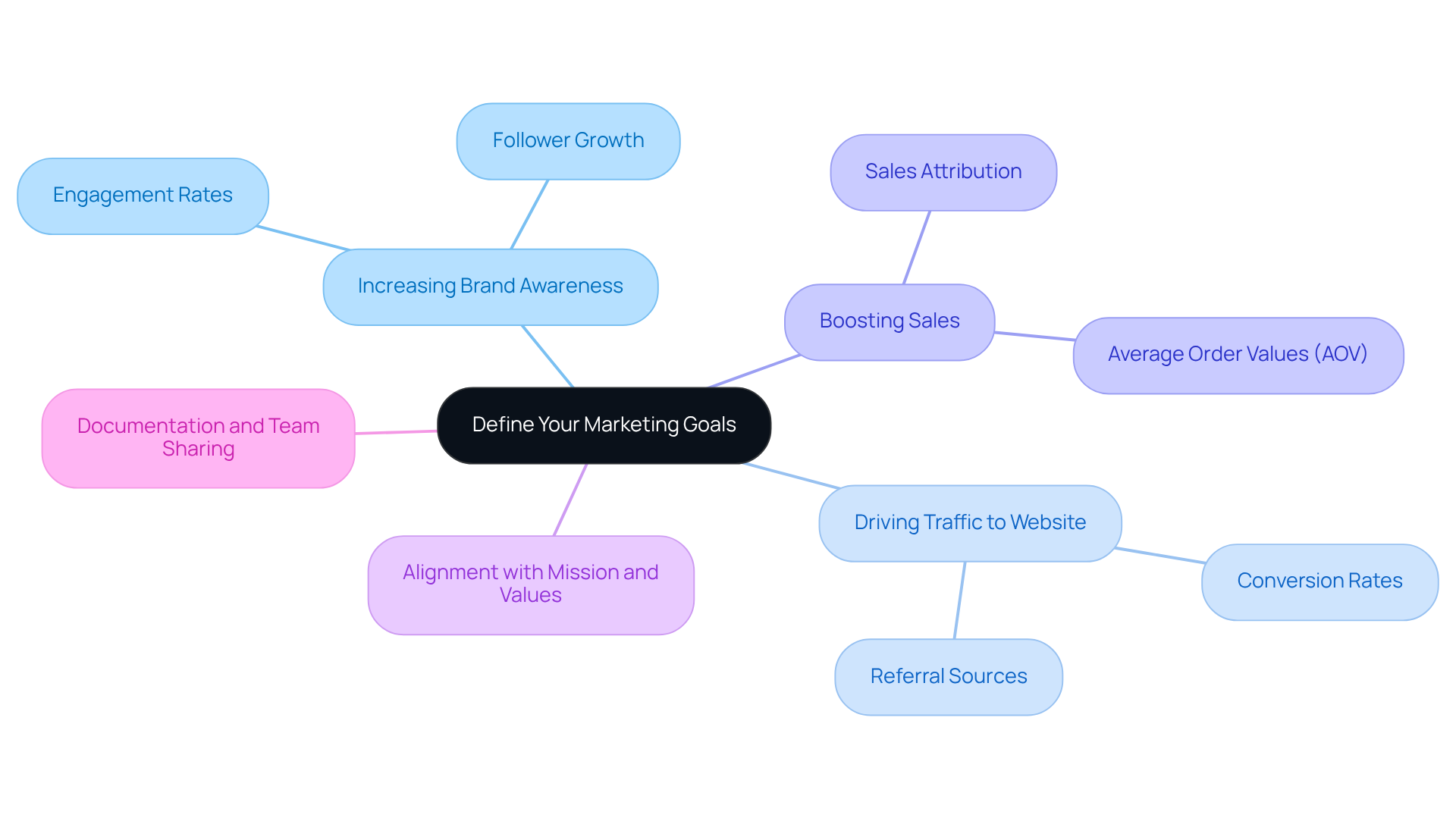
Before you hire a social media influencer, it’s crucial to define your marketing goals with clarity. What do you aim to achieve with your ? Common objectives might include:
Next, set measurable that will allow you to gauge the success of your campaign. Consider metrics such as:
- Engagement rates
- Conversion rates
- Follower growth
These indicators will provide valuable insights into your campaign’s effectiveness.
Furthermore, ensure that your objectives . This alignment is vital for selecting individuals who truly resonate with your brand ethos, enhancing authenticity in your messaging.
Finally, . This practice ensures everyone is aligned and serves as a reference throughout the campaign, keeping your efforts focused and effective.
Identify the Right Influencer Type
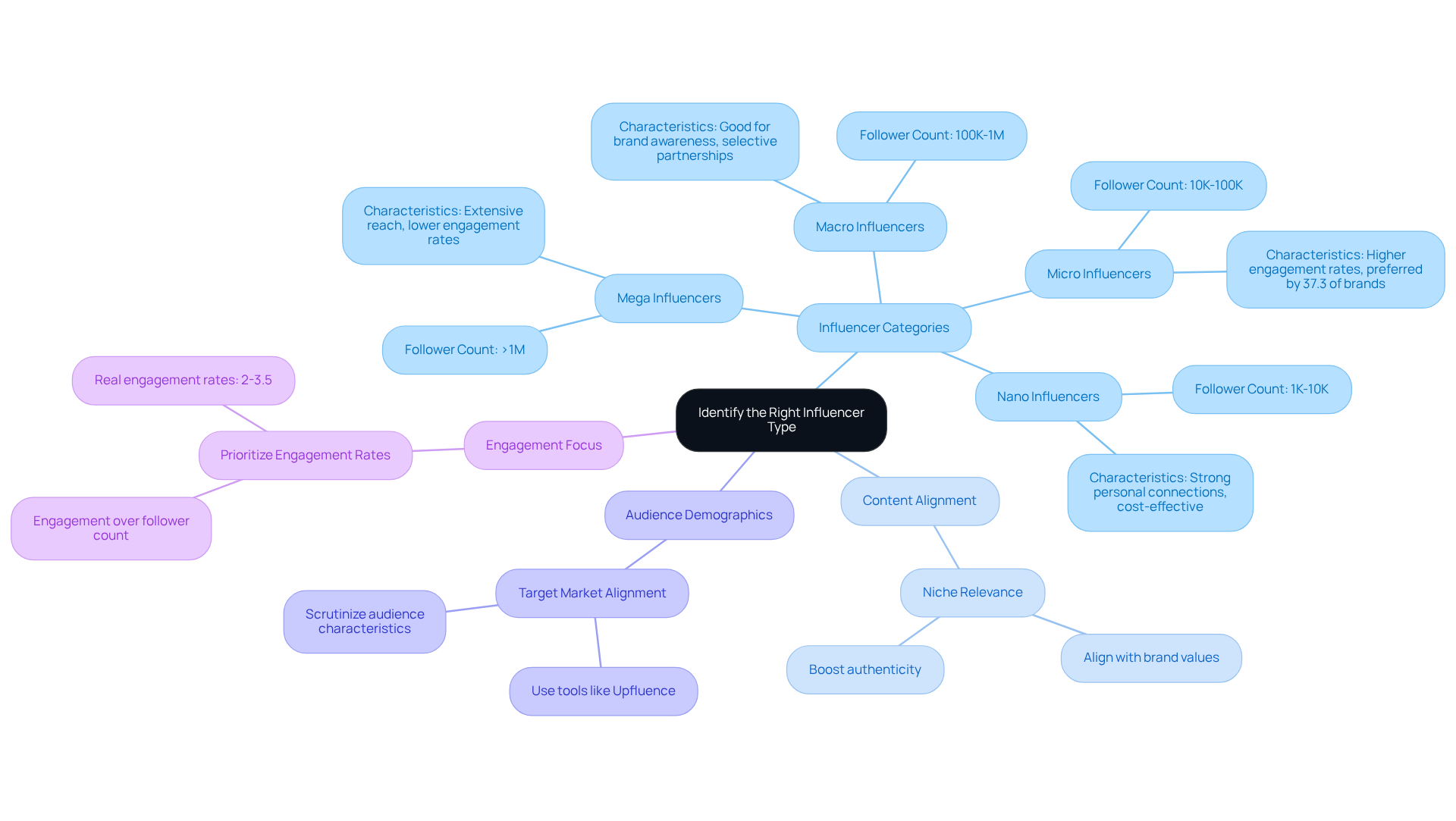
Once you’ve defined your marketing objectives, the next crucial step is to hire a who will act as the right advocate for your campaign. Here’s how to do it:
- Understand : Get to know the - mega, macro, micro, and nano. Mega influencers, boasting over 1 million followers, offer extensive reach but may have lower interaction rates. Macro influencers, with 100,000 to 1 million followers, are great for driving top-of-funnel awareness. , who have between 10,000 and 100,000 followers, often enjoy higher , making them ideal for targeted campaigns. In fact, 37.3% of companies prefer partnering with micro-influencers due to their superior engagement. Nano influencers, with 1,000 to 10,000 followers, are known for their strong personal connections with their audience, fostering trust and relatability.
- Align ' : Look for individuals whose content aligns with your company’s niche. For instance, a cosmetics brand should collaborate with beauty influencers who have cultivated a loyal following. This alignment not only boosts authenticity but also ensures that when you hire a , their audience is genuinely interested in your products. As Ryan O’Grady from FINN Partners emphasizes, is essential for effective partnerships.
- : Scrutinize the demographics of the content creator’s audience to ensure they align with your target market. Tools like Upfluence and Influencity can provide valuable insights into audience characteristics, enabling you to make informed decisions about potential partnerships.
- Consider Engagement Over Follower Count: Focus on influencers with high rather than just large follower counts. An influencer with a smaller, engaged audience can often deliver better results than one with a massive but inactive following. For example, companies like Iceland Foods have seen customer approval ratings soar from 10% to 70% by collaborating with micro-influencers, highlighting the effectiveness of engagement-focused strategies. Additionally, it’s vital to assess public figures for any past scandals or controversies to maintain your company’s integrity.
By following these steps, you can effectively hire a who resonates with your brand identity and drives meaningful engagement and growth.
Establish Budget and Negotiate Contracts
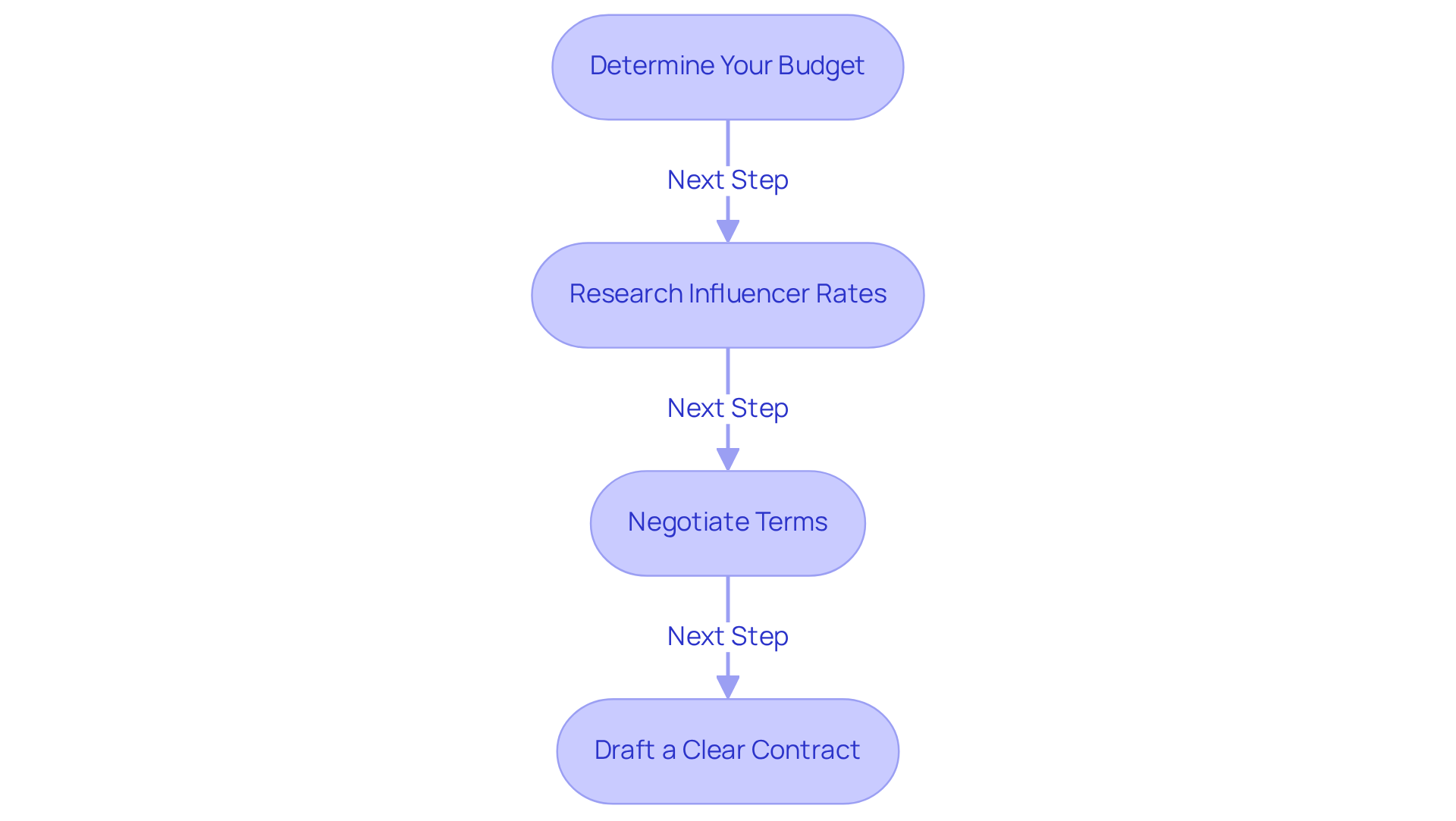
With your social media personality type identified, it’s crucial to establish a budget and if you want to . Here’s how to navigate this process:
- Determine Your Budget: Start by assessing how much you can allocate for marketing with social media personalities. This budget should cover , , and potential ad spend needed to . Brands typically find that a budget range of €900 to €1,200 is common when they want to , depending on the deliverables.
- Research Influencer Rates: Investigate the typical rates for influencers in your niche and category. Micro-influencers, for instance, often achieve higher interaction rates, averaging 3.8%, compared to just 1% for macro-influencers. Platforms like Collabstr and Upfluence can provide valuable insights into , helping you set realistic expectations based on audience size and engagement metrics.
- : When you want to , be transparent about your budget and discuss compensation options. Consider performance-based compensation models that align the incentives of individuals with measurable results. Offering a mix of payment and product gifts can create a win-win situation. For example, a creator with 25,000 followers might expect a few hundred euros per Reel, depending on their niche and engagement. Furthermore, emphasize the importance of exclusivity clauses in agreements, as they can significantly impact both the company’s investment and the individual’s future prospects.
- : Ensure that the contract outlines deliverables, timelines, payment terms, and any legal requirements. This clarity will help avoid disputes later on. Key elements to include are content usage rights, exclusivity clauses, and take-down rights, which protect both the brand and the influencer. A well-defined contract not only safeguards interests but also fosters a positive relationship, which is essential when you want to for future collaborations. Remember, 63% of marketers state that on important interaction metrics, making it vital to invest in effective negotiations.
Evaluate Influencer Authenticity and Engagement
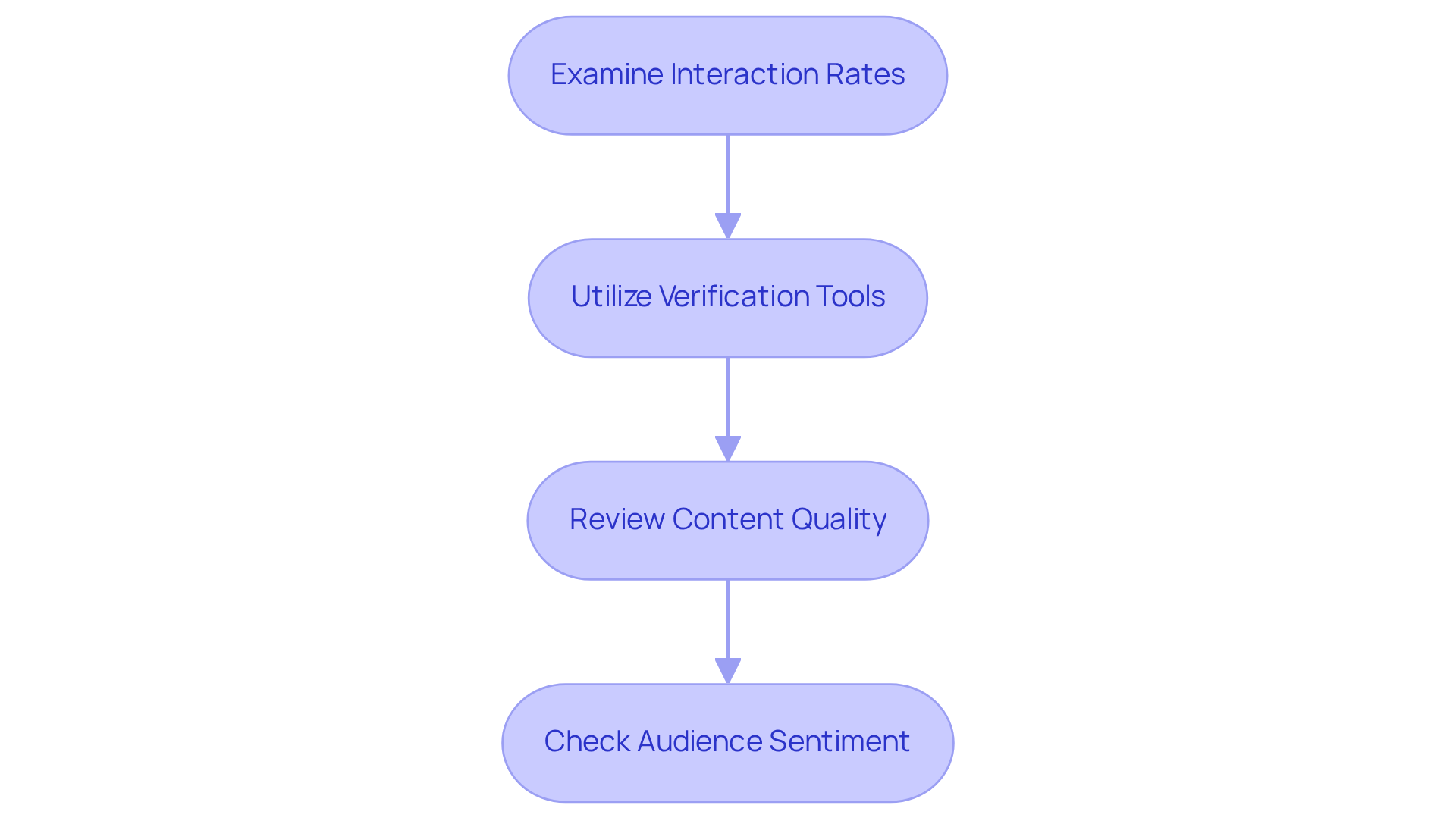
To effectively evaluate the authenticity and engagement of potential influencers, consider these essential steps:
- Examine : Start by determining the creator's interaction rate. This is done by dividing total interactions - likes, comments, shares - by their total followers. A strong participation rate typically falls between 1% and 5%. Rates exceeding 5% indicate outstanding , while those below 1% suggest potential issues with content strategy or audience relevance. Brands should compare these rates against platform-specific norms for accurate performance assessment.
- Utilize Verification Tools: Employ or Modash to assess the legitimacy of a user's followers and interaction metrics. HypeAuditor stands out for its effectiveness, detecting over 95% of fake activity. It provides valuable insights into follower authenticity and engagement trends, which are crucial for ensuring your marketing efforts reach a genuine audience.
- Review : Take a close look at the influencer's previous content to ensure it aligns with your brand's values and quality standards. Authentic influencers typically produce that resonates with their audience, fostering trust and loyalty. Brands that prioritize can significantly enhance their .
- Check : Analyze comments and interactions on the influencer's posts to gauge . Positive engagement, characterized by meaningful comments and discussions, reflects a loyal and trusting audience - an asset for your business. who cultivates , as this can lead to higher conversion rates and increased brand visibility.
Conclusion
A successful influencer marketing strategy is built on a systematic approach that includes:
- Clear marketing goals
- Careful influencer selection
- Budget considerations
- Thorough evaluations of authenticity and engagement
By following these steps, brands can effectively harness the power of social media influencers to boost visibility and drive meaningful results.
First and foremost, clarifying marketing objectives is crucial. These objectives serve as the foundation for the entire campaign. Next, identifying the right type of influencer-whether mega, macro, micro, or nano-ensures alignment with the brand’s niche and target audience. Establishing a realistic budget and negotiating contracts are also critical, fostering transparent relationships that benefit both parties. Finally, evaluating an influencer's authenticity and engagement is essential to ensure that the partnership resonates with the intended audience.
In a landscape where influencer marketing is increasingly pivotal, brands must approach these collaborations strategically. Engaging the right influencers can significantly amplify brand messaging and foster genuine connections with consumers. By implementing these best practices, companies not only enhance their marketing efforts but also ensure that their campaigns are authentic and impactful. This ultimately leads to sustained growth and success in the digital marketplace.
Frequently Asked Questions
Why is it important to define marketing goals before hiring a social media influencer?
Defining marketing goals is crucial because it clarifies what you aim to achieve with your influencer campaign, such as increasing brand awareness, driving traffic to your website, or boosting sales.
What are some common objectives for an influencer campaign?
Common objectives for an influencer campaign include increasing brand awareness, driving traffic to your website, and boosting sales.
How can I measure the success of my influencer campaign?
You can measure the success of your influencer campaign by setting measurable key performance indicators (KPIs) such as engagement rates, conversion rates, and follower growth.
Why should marketing objectives align with an organization’s mission and values?
Aligning marketing objectives with your organization’s mission and values is vital for selecting influencers who resonate with your brand ethos, enhancing authenticity in your messaging.
What is a good practice for managing marketing goals during an influencer campaign?
A good practice is to document your goals and share them with your team. This ensures everyone is aligned and serves as a reference throughout the campaign, keeping efforts focused and effective.
List of Sources
- Define Your Marketing Goals
- Influencer marketing campaign goals: 6 Powerful Ways to Win 2025 (https://goelastic.com/influencer-marketing-campaign-goals)
- influencity.com (https://influencity.com/blog/en/influencer-marketing-campaign-goals)
- socialnative.com (https://socialnative.com/articles/influencer-marketing-strategy-2025)
- Building an Effective Influencer Marketing Strategy - Praytell (https://praytellagency.com/blog/how-to-build-an-effective-influencer-marketing-strategy)
- onbrand.shopltk.com (https://onbrand.shopltk.com/5-steps-to-creating-a-successful-influencer-marketing-strategy)
- Identify the Right Influencer Type
- joinmavely.com (https://joinmavely.com/blog/types-of-influencers)
- fullintel.com (https://fullintel.com/blog/influencer-marketing-what-works-and-what-doesnt-in-2025)
- kingfluencers.com (https://kingfluencers.com/en/blog/die-richtigen-influencer-in-2025)
- sproutsocial.com (https://sproutsocial.com/insights/types-of-influencers)
- slateteams.com (https://slateteams.com/blog/brands-and-influencers)
- Establish Budget and Negotiate Contracts
- The Influencer’s Guide To Negotiating Brand Deals (https://forbes.com/sites/kwamechristian/2025/10/29/the-influencers-guide-to-negotiating-brand-deals)
- legalandcreative.com (https://legalandcreative.com/2022/02/marketing-with-influence-be-ready-to-negotiate-these-points-in-your-next-influencer-deal)
- prnewswire.com (https://prnewswire.com/news-releases/influencer-marketing-in-2025-new-data-reveals-what-works-what-costs-and-whats-next-302490369.html)
- iqfluence.io (https://iqfluence.io/public/blog/how-to-negotiate-with-influencers)
- stackinfluence.com (https://stackinfluence.com/influencer-marketing-stats-2025-key-numbers)
- Evaluate Influencer Authenticity and Engagement
- stackinfluence.com (https://stackinfluence.com/the-average-influencer-engagement-rate-in-2025)
- sociallypowerful.com (https://sociallypowerful.com/influencer/marketing/analytics-tools)
- 12 top influencer analytics tools to boost your campaign ROI (https://sproutsocial.com/insights/influencer-analytics-tools)
- hypeauditor.com (https://hypeauditor.com/blog/20-most-recommended-tools-to-check-instagram-engagement-in-2025)