
Introduction
Choosing the right eCommerce specialist agency can truly transform a brand's online presence. In a digital marketplace that evolves at lightning speed, grasping the specific roles and offerings of these agencies is essential for businesses seeking tailored solutions. But with so many options out there, how can brands ensure they select an agency that not only meets their needs but also cultivates a successful partnership? This article explores the critical criteria for evaluating eCommerce agencies, offering insights that empower brands to make informed decisions in a fiercely competitive landscape.
Understand the Role of eCommerce Specialist Agencies
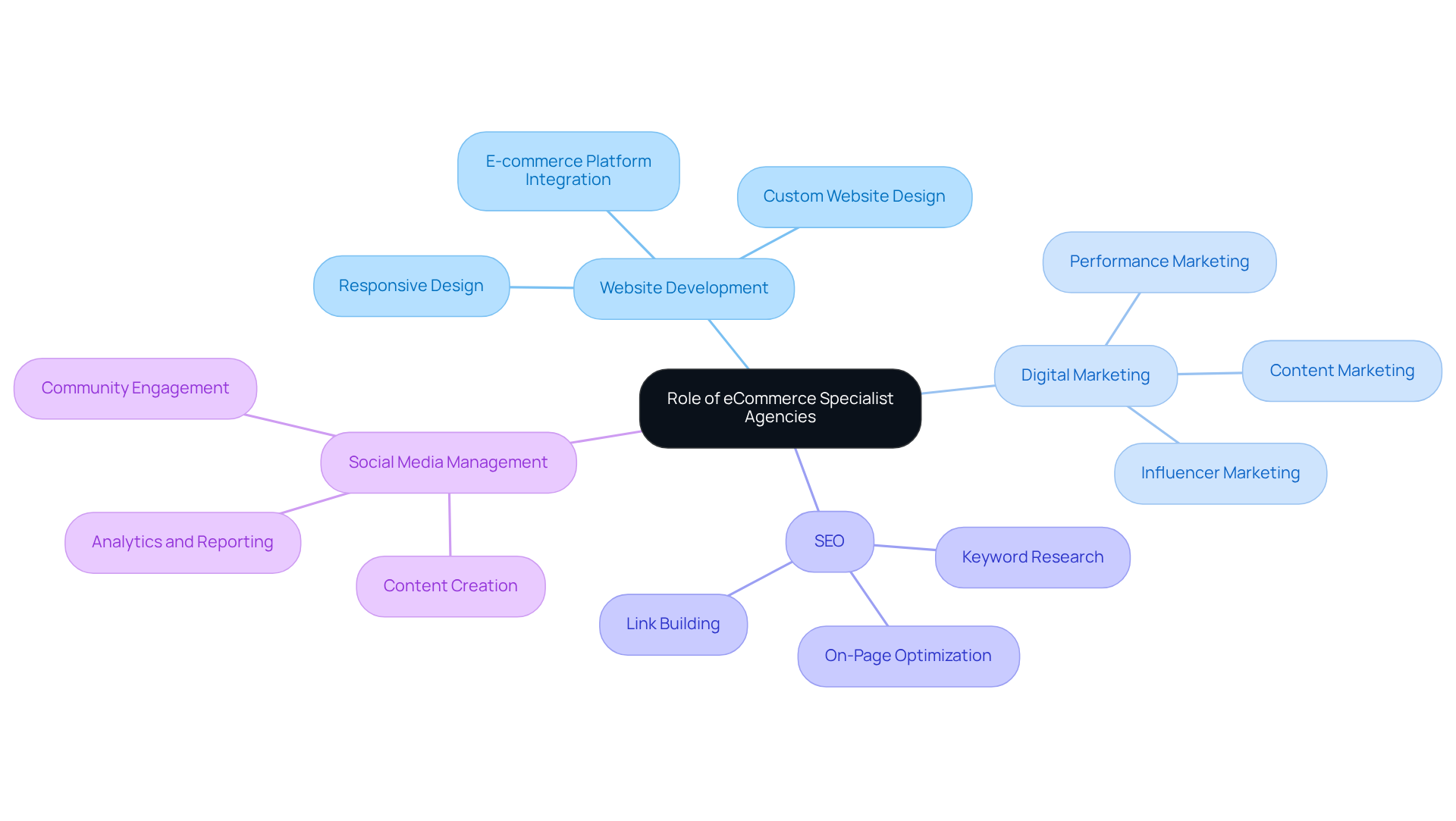
An ecommerce specialist agency serves as an essential partner for businesses looking to enhance their online presence. They provide a comprehensive suite of services, including:
- Website development
- Digital marketing
- SEO
- Social media management
Understanding these functions is crucial for companies to identify their specific needs. For instance, if a business struggles with online visibility, it may require a firm that specializes in SEO and content marketing. Conversely, if the objective is to increase sales through targeted advertising, a performance marketing firm would be the ideal choice. By recognizing these distinct roles, companies can effectively align their needs with the right ecommerce specialist agency, ensuring a strategic partnership that drives results.
Identify Key Criteria for Selecting an Agency
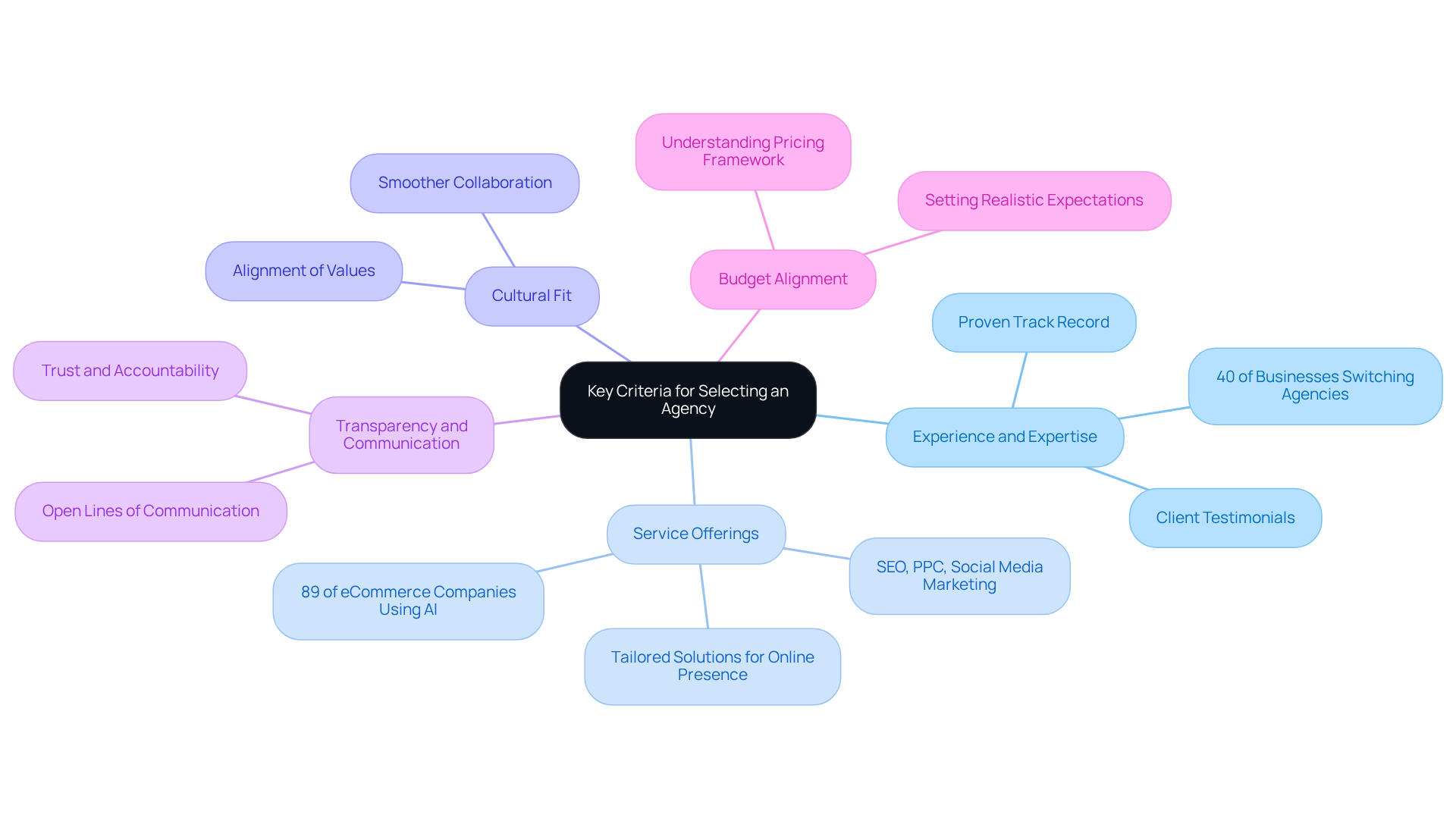
Brands must evaluate several critical criteria when selecting an ecommerce specialist agency to ensure a successful partnership.
-
Experience and Expertise: Prioritize organizations with a proven track record in your industry. Reviewing case studies and client testimonials can provide valuable insights into their effectiveness and ability to deliver results. Did you know that nearly 40% of businesses are looking to switch firms due to poor client-partner relationships? This statistic underscores the importance of assessing compatibility before making a decision.
-
Service Offerings: Verify that the organization provides the specific services you need, such as SEO, PPC, social media marketing, or content creation. Tailored solutions are essential for maximizing your online presence. With 89% of eCommerce companies actively utilizing or experimenting with AI, it’s crucial for agencies to integrate these capabilities to stay competitive in the market.
-
Cultural Fit: The firm's values and working style should align with your brand's culture. A strong cultural alignment fosters smoother collaboration and enhances the overall partnership experience, making it easier to achieve shared goals.
-
Transparency and Communication: Choose organizations that maintain open lines of communication regarding strategies, pricing, and performance metrics. This transparency builds trust and ensures accountability throughout the engagement, allowing for a more effective partnership.
-
Budget Alignment: Understand the organization's pricing framework and ensure it aligns with your budget while still delivering value. A well-defined budget helps set realistic expectations and achieve desired outcomes, ensuring that both parties are on the same page.
By concentrating on these criteria, brands can make informed choices when selecting an ecommerce specialist agency that aligns with their eCommerce objectives and enhances their marketing efforts. Furthermore, with mobile commerce projected to hit $2.51 trillion in 2025, organizations must prioritize mobile-first experiences to meet evolving consumer expectations.
Evaluate Agency Capabilities and Track Record
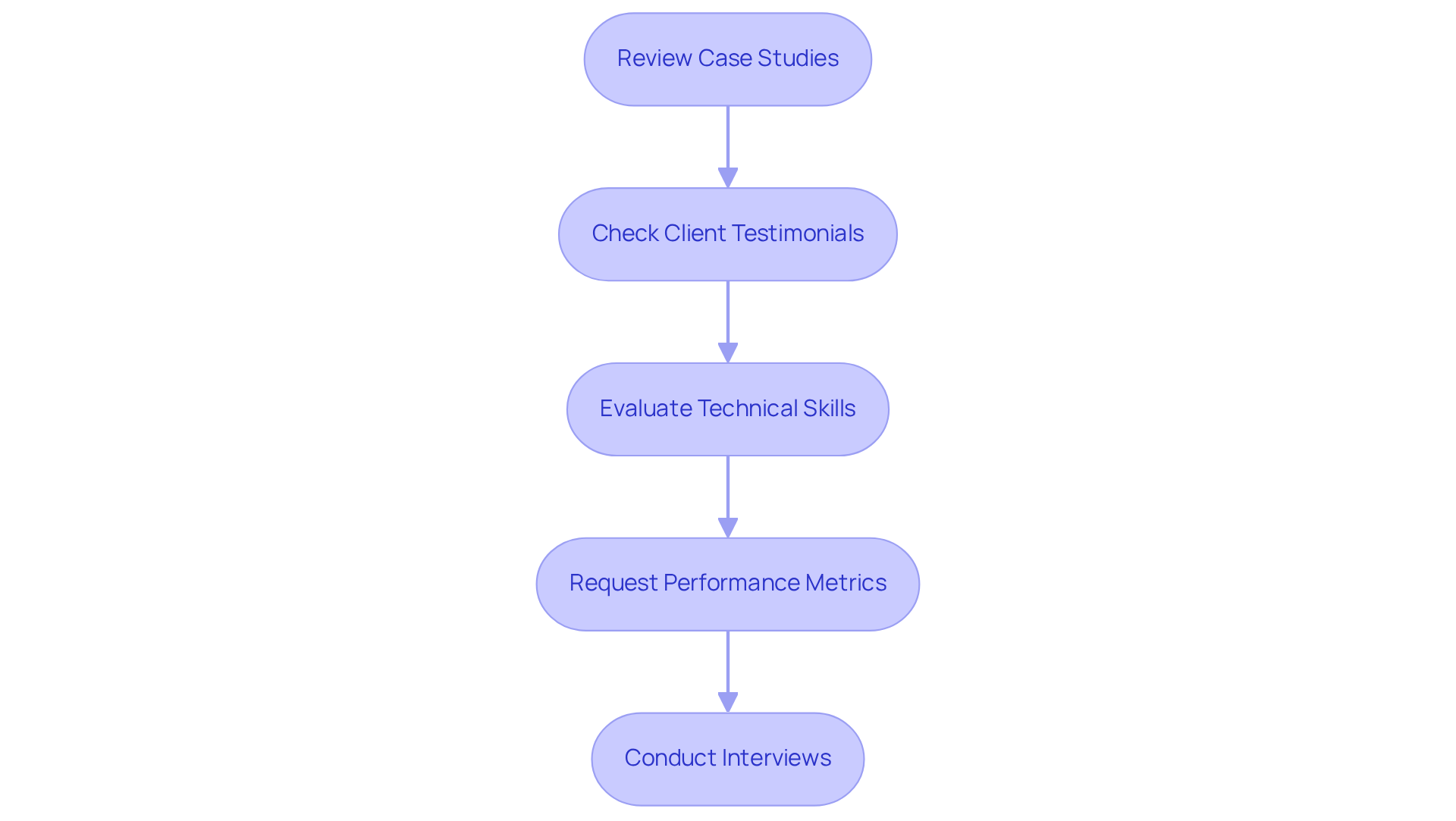
To effectively evaluate an agency's capabilities and track record, follow these essential steps:
-
Review Case Studies: Look for detailed case studies that showcase the organization's previous work. Focus on the challenges faced, strategies implemented, and measurable results achieved. Agencies that present clear narratives about their successes demonstrate their effectiveness in real-world scenarios. As Usman Jatoi notes, assessing leading case study organizations provides valuable insights into their methods and achievements.
-
Check Client Testimonials: Engage with former clients or explore online reviews to understand their experiences with the organization. Research indicates that 75% of clients prioritize deep business understanding and effective communication when selecting a firm. Thus, testimonials serve as a crucial resource for evaluating reliability and effectiveness (Clients in 2024).
-
Evaluate Technical Skills: Ensure the organization possesses the technical expertise necessary for your specific needs, which includes proficiency in eCommerce platforms, analytics tools, digital marketing strategies, and the support of an ecommerce specialist agency. Agencies that align their strategies with long-term goals typically offer greater value.
-
Request Performance Metrics: Inquire about the organization's historical performance data, including key metrics such as ROI, conversion rates, and customer acquisition costs. For instance, Disruptive Advertising achieved 158% revenue growth for one client by enhancing their Facebook advertising campaign, underscoring the importance of measurable outcomes in assessing effectiveness.
-
Conduct Interviews: Arrange discussions with organization representatives to delve into their methodologies and approaches for achieving your objectives. This interaction will also shed light on their communication style and professionalism, both of which are essential for a successful partnership.
Engage with Agencies: Key Questions to Ask
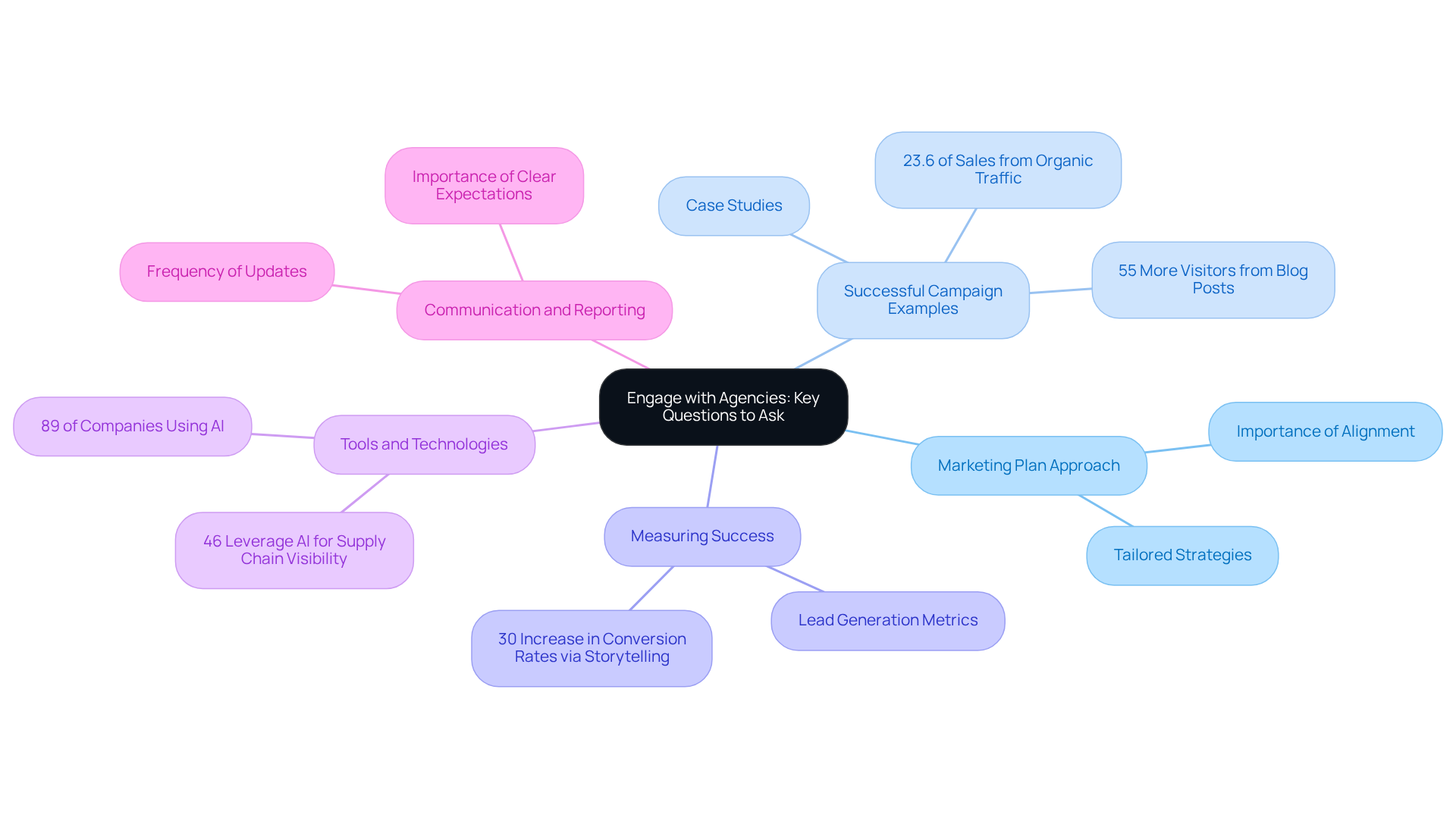
When engaging with potential eCommerce agencies, it's crucial to ask key questions that can pave the way for a successful partnership:
-
What is your approach to creating a marketing plan? Understanding how the agency tailors its strategies to meet specific client needs is essential for aligning objectives.
-
Can you provide examples of successful campaigns you've executed? Requesting case studies allows you to evaluate their experience and effectiveness in delivering measurable outcomes. This is particularly important, given that 23.6% of online sales come from organic traffic. As Andrew Shum highlights, businesses that publish blog posts attract, on average, 55% more visitors than those that don’t, underscoring the significance of effective content strategies.
-
How do you measure success? Knowing their metrics for success, such as lead generation and conversion rates, helps align your expectations with their capabilities. Agencies, such as an ecommerce specialist agency, that can demonstrate measurable results often gain a competitive edge in client acquisition. For instance, an online retail business can increase its conversion rates by 30% through storytelling methods, which can be a vital indicator of a firm's effectiveness.
-
What tools and technologies do you use? Gaining insight into their technical capabilities and the industry-standard tools they employ is crucial. Notably, 89% of eCommerce companies are actively using or testing AI technologies to enhance their operations. This highlights the necessity of AI in agency functions, as Andrew Shum points out that 46% of online retailers leverage AI to improve supply chain visibility.
-
How do you handle communication and reporting? Understanding their communication frequency and reporting format can establish clear expectations for collaboration, which is vital for maintaining a productive relationship. Effective communication is a key factor in achieving successful outcomes.
Conclusion
Choosing the right eCommerce specialist agency is a crucial decision for brands looking to enhance their online presence and boost sales. Understanding the diverse roles these agencies play allows businesses to align their specific needs with the expertise available. This strategic partnership is vital for navigating the complexities of digital marketing and eCommerce, ultimately leading to improved performance and growth.
Key criteria for selecting an agency include:
- Evaluating experience
- Service offerings
- Cultural fit
- Transparency
- Budget alignment
Each of these factors is essential for ensuring a successful collaboration. Furthermore, assessing an agency's capabilities through case studies, client testimonials, and performance metrics offers valuable insights into their effectiveness and reliability.
In today’s fast-paced digital landscape, the importance of choosing the right eCommerce agency cannot be overstated. Brands should adopt a proactive approach by asking critical questions and thoroughly vetting potential partners. By doing so, businesses can establish partnerships that not only address their immediate needs but also position them for long-term success in the competitive eCommerce market.
Frequently Asked Questions
What is the role of an eCommerce specialist agency?
An eCommerce specialist agency serves as a partner for businesses aiming to enhance their online presence, offering services such as website development, digital marketing, SEO, and social media management.
What services do eCommerce specialist agencies provide?
They provide a comprehensive suite of services including website development, digital marketing, SEO, and social media management.
How can businesses identify their specific needs when working with an eCommerce agency?
Businesses can identify their needs by assessing their challenges; for example, if they struggle with online visibility, they may require SEO and content marketing services, while those aiming to increase sales through targeted advertising might need a performance marketing firm.
Why is it important for companies to understand the distinct roles of eCommerce agencies?
Understanding the distinct roles allows companies to align their specific needs with the appropriate eCommerce specialist agency, ensuring a strategic partnership that drives results.