Introduction
Mastering digital campaign management is no longer a luxury; it’s a necessity for brands competing for consumer attention in an increasingly crowded marketplace. How can brands stand out? By understanding the core principles that drive successful campaigns, marketers can seize opportunities for growth and engagement, ensuring their strategies are effective and aligned with business objectives.
However, the challenge remains: how can brands continuously adapt and optimize their campaigns in a landscape that is constantly evolving? This article delves into best practices that not only enhance campaign performance but also foster deeper connections with audiences, paving the way for brand success.
In addition, we’ll explore actionable insights that can help you navigate this dynamic environment, ensuring your brand not only survives but thrives.
Understand Core Principles of Digital Campaign Management
To master , grasping the fundamental principles that underpin successful tactics is essential. These principles include:
- : Establish clear, measurable objectives that align with broader business goals. Use the SMART criteria (Specific, Measurable, Achievable, Relevant, Time-bound) to define your campaign's purpose.
- Viewer Understanding: Identify and analyze your . Utilize demographic data, psychographics, and behavioral insights to tailor your messaging effectively.
- Channel Selection: Choose the appropriate based on where your target group spends their time. This could include , email, or search engines.
- : Develop a that resonates with your audience. This includes creating that drives action.
- : Implement metrics to assess the success of the initiative. such as Click-Through Rate (CTR), , and conversion rates are essential for assessing effectiveness.
By mastering these principles, marketers can establish a solid foundation for their digital initiatives, ensuring they are strategically aligned and positioned for success.

Develop a Comprehensive Digital Campaign Strategy
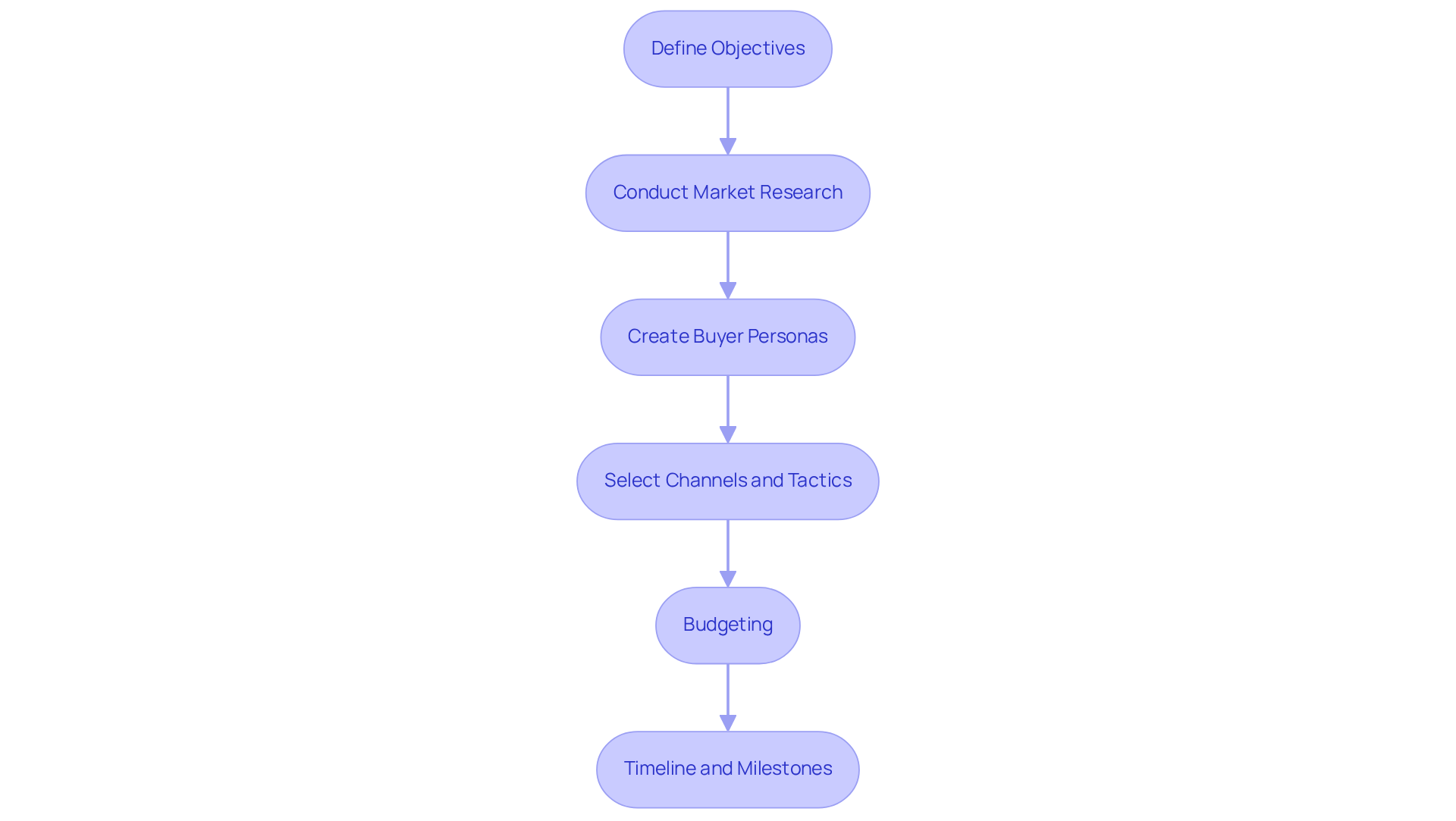
Creating a comprehensive is essential for any marketer aiming to succeed in today’s competitive landscape.
- : Start by clearly defining what you want to accomplish with your initiative. This could range from to driving sales.
- Conduct Market Research: Examine , competitor tactics, and consumer behavior to guide your strategy decisions. Utilize tools like surveys, focus groups, and analytics to gather insights.
- : Develop detailed profiles of your ideal customers. Understand their needs, preferences, and pain points to tailor your messaging effectively.
- Select Channels and Tactics: Choose the most effective channels for reaching your audience. This may include , email marketing, content marketing, and . Determine the tactics you will use within each channel.
- Budgeting: across different channels and tactics. Consider the cost of ad placements, , and any tools or software needed for execution.
- Timeline and Milestones: Create a schedule for your initiative, including key milestones and deadlines for each phase of execution.
By following these steps, marketers can develop a robust strategy that aligns with their goals and maximizes their chances of success.
Utilize Data Analytics for Campaign Optimization
is essential for elevating initiatives in digital campaign management. Consider these key practices:
- Track : It's vital to identify and monitor essential metrics like CTR, , and customer acquisition costs. Tools such as Google Analytics and social media insights are invaluable for data collection. Did you know that the average conversion rate across all e-commerce sites is under 2%? This statistic highlights the necessity of effective tracking and optimization.
- : is a powerful method for comparing different versions of your advertisements, landing pages, or email campaigns. This approach helps determine which elements resonate most with your audience. For instance, testing various headlines or call-to-action buttons can lead to significant improvements in engagement and , as evidenced by successful .
- : Utilize data to segment your audience based on demographics, behavior, and preferences. By tailoring your messaging and offers to each segment, you can enhance engagement, as personalized content tends to resonate more with targeted groups.
- : Implementing of performance metrics allows for swift adjustments based on what works and what doesn’t. This ensures optimal resource allocation. Adjusting strategies according to real performance data is crucial for maximizing the effectiveness of your initiatives.
- : Leverage to forecast future trends and consumer behavior. The true power of lies not just in understanding past events but in anticipating future outcomes. This proactive approach enables timely adjustments to your initiatives.
By effectively harnessing , marketers can enhance their digital campaign management, ensuring responsiveness to consumer needs and market dynamics.

Engage Audiences with Tailored Content and Interactions
To effectively engage your audience, consider these powerful strategies:
- Personalization: Leverage data to create tailored content that resonates with the interests and needs of your target group. This includes , targeted advertisements, and customized landing pages. Brands excelling at personalization are , showcasing its significant impact on business success. In fact, 80% of businesses report increased consumer spending-averaging 38% more-when their experiences are personalized.
- Interactive Content: Integrate to enhance participant engagement. This approach not only captivates users but also provides valuable insights into their preferences. For instance, interactive videos can significantly increase watch time and conversion rates, transforming passive viewing into engaging experiences.
- Narrative Creation: Employ storytelling techniques to . This method humanizes your identity and fosters emotional connections with your audience, . Personalized messaging has been shown to significantly boost purchase likelihood among consumers, making storytelling an essential component of your marketing strategy.
- Social Listening: Actively monitor social media channels for discussions about your company and industry. Engaging with users by responding to comments and messages demonstrates that you value their input, which can strengthen customer relationships.
- Community Building: Foster a sense of community among your audience by creating platforms for discussion and interaction, such as forums or social media groups. enhance engagement and promote loyalty, as consumers are more likely to connect with companies that cultivate a sense of belonging.
By employing these strategies in , brands can cultivate significant interactions that and encourage conversions, positioning themselves for success in the evolving digital landscape.

Implement Continuous Testing and Iteration for Improvement
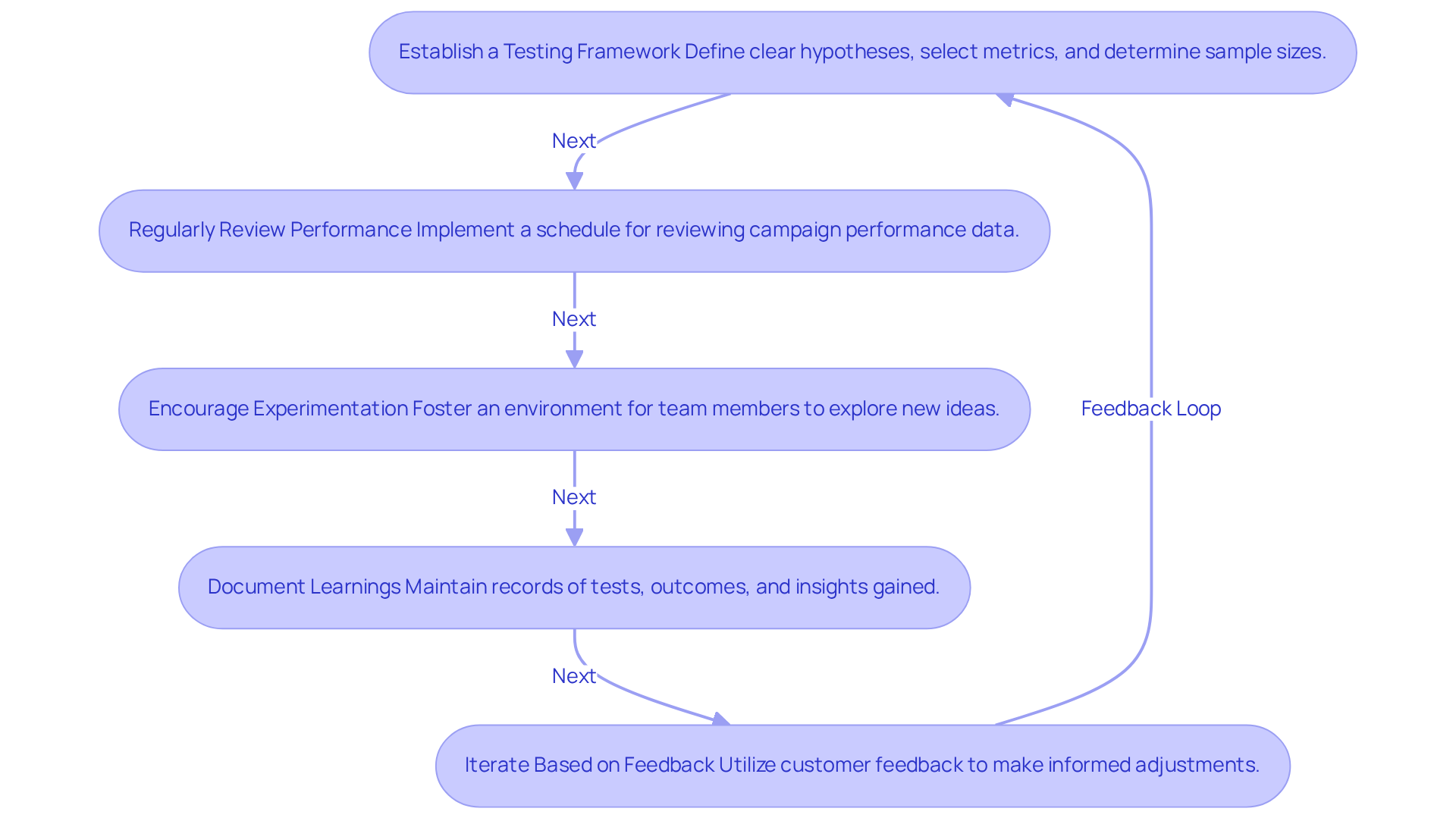
To cultivate a culture of , marketers must take decisive action:
- Establish a : A systematic approach to testing is essential. Define clear hypotheses, select relevant metrics, and determine appropriate sample sizes. This structured methodology not only yields reliable results but also provides . Consider this: . This statistic underscores the necessity of a robust to optimize spending in .
- Regularly Review Performance: Implement a consistent schedule for reviewing campaign performance data. By examining these insights, marketers can identify areas for improvement and guide future tests and iterations. This ensures that strategies remain effective. Regular can significantly improve by mitigating the .
- Encourage Experimentation: Foster an environment where team members feel empowered to explore new ideas and strategies. This culture of experimentation can lead to innovative solutions and enhanced project outcomes, driving overall success. As noted by Mr. Digital, agility in marketing is crucial for adapting to changes and achieving better results.
- Document Learnings: Maintain comprehensive records of all tests conducted, including outcomes and insights gained. This documentation serves as a valuable resource for future initiatives, enabling teams to build on past successes and avoid previous pitfalls. With 88% of indicating positive ROI, documenting insights from video projects can significantly enhance future strategies.
- Iterate Based on Feedback: Utilize and performance data to make informed adjustments to campaigns. This iterative process in ensures that marketing efforts stay relevant and effective, adapting to changing consumer preferences and market dynamics. Optimizing for AI engines is becoming essential in digital marketing, as highlighted in recent trends.
By embracing continuous testing and iteration, companies can maintain a competitive edge and effectively navigate the evolving digital landscape. Case studies have shown that brands utilizing AI-powered platforms achieve better results, reinforcing the importance of integrating advanced tools into marketing strategies.
Conclusion
Mastering digital campaign management is essential for brands striving for success in an increasingly competitive landscape. Understanding and implementing core principles allows marketers to craft strategies that are not only effective but also adaptable to the ever-evolving digital environment.
This article highlights several key practices vital for successful digital campaign management. It emphasizes the importance of:
- Setting clear goals
- Understanding the target audience
- Selecting appropriate channels
- Developing a robust content strategy
Furthermore, it underscores the value of data analytics for:
- Optimizing campaigns
- Engaging audiences through tailored content
- Fostering continuous improvement through testing and iteration
Incorporating these best practices into digital marketing strategies is crucial for brands aiming to enhance their performance and achieve their objectives. By embracing a data-driven approach and prioritizing audience engagement, organizations can significantly improve their campaigns while building lasting relationships with their customers. As the digital landscape evolves, staying committed to these principles will ensure brands remain competitive and relevant in their marketing efforts.
Frequently Asked Questions
What are the core principles of digital campaign management?
The core principles include goal setting, viewer understanding, channel selection, content strategy, and performance measurement.
How should goals be set for a digital campaign?
Goals should be clear and measurable, aligning with broader business objectives. The SMART criteria (Specific, Measurable, Achievable, Relevant, Time-bound) should be used to define the campaign's purpose.
Why is understanding the target audience important in digital campaigns?
Understanding the target audience helps marketers tailor their messaging effectively by utilizing demographic data, psychographics, and behavioral insights.
How do you choose the right channels for a digital campaign?
The appropriate digital channels should be selected based on where the target demographic spends their time, which may include social media platforms, email, or search engines.
What is involved in developing a content strategy for a digital campaign?
A content strategy involves creating engaging and relevant content that resonates with the audience and drives action.
What metrics are important for measuring the performance of a digital campaign?
Key Performance Indicators (KPIs) such as Click-Through Rate (CTR), Return on Ad Spend (ROAS), and conversion rates are essential for assessing the effectiveness of the campaign.
What steps are involved in creating a comprehensive digital campaign strategy?
Steps include defining objectives, conducting market research, creating buyer personas, selecting channels and tactics, budgeting, and establishing a timeline with milestones.
How can market research inform a digital campaign strategy?
Market research helps examine market trends, competitor tactics, and consumer behavior, guiding strategic decisions through insights gathered from surveys, focus groups, and analytics.
What are buyer personas and why are they important?
Buyer personas are detailed profiles of ideal customers that help marketers understand their needs, preferences, and pain points, allowing for more effective messaging.
How should a budget be allocated in a digital campaign?
The budget should be allocated wisely across different channels and tactics, considering costs for ad placements, content creation, and necessary tools or software for execution.
List of Sources
- Understand Core Principles of Digital Campaign Management
- neilpatel.com (https://neilpatel.com/blog/digital-marketing-news-roundup-november-2025)
- 10 Effective Marketing Strategies for 2025 (https://park.edu/blog/effective-marketing-strategies)
- Top 10 Digital Marketing Strategies for 2025 (https://ama.org/marketing-news/top-10-digital-marketing-strategies-for-2025)
- digitalmarketinginstitute.com (https://digitalmarketinginstitute.com/blog/digital-marketing-trends-2025)
- forbes.com (https://forbes.com/sites/kimberlywhitler/2025/01/01/marketing-leaders-identify-key-trends-for-2025)
- Develop a Comprehensive Digital Campaign Strategy
- neilpatel.com (https://neilpatel.com/blog/digital-marketing-news-roundup-august-2025)
- 10 Effective Marketing Strategies for 2025 (https://park.edu/blog/effective-marketing-strategies)
- Digital Marketing News | Marketing Dive (https://marketingdive.com)
- Top 10 Digital Marketing Strategies for 2025 (https://ama.org/marketing-news/top-10-digital-marketing-strategies-for-2025)
- blog.seedtag.com (https://blog.seedtag.com/new-marketing-trends-to-watch-in-2025)
- Utilize Data Analytics for Campaign Optimization
- neilpatel.com (https://neilpatel.com/blog/digital-marketing-news-roundup-november-2025)
- progress.com (https://progress.com/blogs/predictive-analytics-future-marketing-campaigns)
- mediacause.com (https://mediacause.com/top-5-digital-marketing-trends-insights-from-the-first-half-of-2025)
- 2026 Marketing Statistics, Trends, & Data (https://hubspot.com/marketing-statistics)
- recurpost.com (https://recurpost.com/blog/digital-marketing-statistics)
- Engage Audiences with Tailored Content and Interactions
- digitalsilk.com (https://digitalsilk.com/digital-trends/personalization-statistics)
- statista.com (https://statista.com/topics/4481/personalized-marketing?srsltid=AfmBOorl3ox6iynoNVdy6TW1vbCIEEN5JkTVt4zn3X0YvTLjyfVEz2TY)
- marketveep.com (https://marketveep.com/blog/10-key-trends-in-digital-marketing-industry-news-for-2025)
- brewinteractive.com (https://brewinteractive.com/the-future-of-interactive-content-trends-and-predictions-for-2025)
- 70 Personalization Statistics Every Marketer Should Know in 2025 (https://instapage.com/blog/personalization-statistics)
- Implement Continuous Testing and Iteration for Improvement
- neilpatel.com (https://neilpatel.com/blog/digital-marketing-news-roundup-august-2025)
- mediavalet.com (https://mediavalet.com/blog/digital-marketing-statistics)
- bootcampdigital.com (https://bootcampdigital.com/blog/june-2025-digital-updates-meta-edits-app-continues-to-evolve-and-more-2)
- bima.co.uk (https://bima.co.uk/year-end-digital-marketing-review-what-worked-and-what-didnt-in-2025)
- frizbit.com (https://frizbit.com/blog/digital-marketing-updates-news-from-august-2025)