
Introduction
As the digital landscape evolves, visual content has become a cornerstone of effective brand strategies. A staggering 89% of companies are expected to embrace this shift by 2025, underscoring the immense potential for brands to enhance storytelling, engage audiences, and drive conversions through ad agency videos. However, as competition intensifies and consumer attention wanes, the pressing question arises: how can brands effectively leverage video to not only capture attention but also foster lasting connections with their audiences?
This transformation in content strategy is not just a trend; it’s a necessity. Brands that harness the power of video can create compelling narratives that resonate with their target market. By integrating engaging visuals into their marketing efforts, they can stand out in a crowded marketplace. Furthermore, successful case studies demonstrate that brands utilizing video content see higher engagement rates and improved conversion metrics.
To navigate this evolving landscape, brands must not only focus on capturing attention but also on building relationships. This requires a strategic approach to video content that prioritizes authenticity and connection. In addition, brands should consider how to measure the impact of their video strategies to ensure they are fostering the desired connections with their audiences.
Ultimately, the question remains: are you ready to embrace the power of video in your brand strategy? The time to act is now.
Establish Video as a Core Component of Brand Strategy
In today's digital promotion landscape, . With a staggering 89% of companies by 2025, it's evident that this material is not just optional - it's essential. The rise of platforms like , Instagram Reels, and YouTube Shorts has solidified 's role as a primary communication method. Brands that prioritize are not only better positioned to but also to convey their messages effectively and build deeper connections with consumers.
This shift is driven by , where consumers are inundated with information. By making a central focus, companies can , , and ultimately . Are you ready to elevate your brand's presence? Embrace the power of and watch your marketing efforts transform.

Leverage Video for Enhanced Engagement and Storytelling
An serves as a powerful medium for , enabling companies to convey complex messages in a digestible format. By 2025, the is clear: users are drawn to content that resonates emotionally. Videos that evoke feelings can significantly and build . For example, Nike and Apple have successfully leveraged in their campaigns, establishing profound emotional connections with their audiences. Nike's live streaming events illustrate how can be effectively implemented, creating a sense of urgency and exclusivity that resonates with viewers.
Through an , companies can use visuals to narrate their stories, showcasing their products while also communicating their core values, missions, and customer experiences. This approach not only makes the more relatable and impactful but also boosts engagement and encourages social sharing, thereby expanding the organization's reach and influence. Furthermore, with by 2025, the importance of in cannot be overstated. Additionally, 87% of marketers attribute increased brand awareness to , underscoring its effectiveness in cultivating brand loyalty.

Drive Performance Metrics with Effective Video Campaigns
Effective campaigns that leverage visuals, such as , go beyond mere creativity; they are crucial for achieving . Did you know that ? This statistic underscores the in digital marketing strategies. Brands that implement can meticulously track , such as engagement rates, click-through rates, and conversion rates. For instance, , while a well-crafted can .
By consistently analyzing these metrics, brands can refine their content in the to ensure it resonates with their target audience and meets desired outcomes. This performance-oriented approach not only maximizes return on investment but also enhances the overall effectiveness of marketing strategies. So, how are you leveraging to boost your brand's visibility and engagement?
Adapt Video Content for Multi-Platform Success
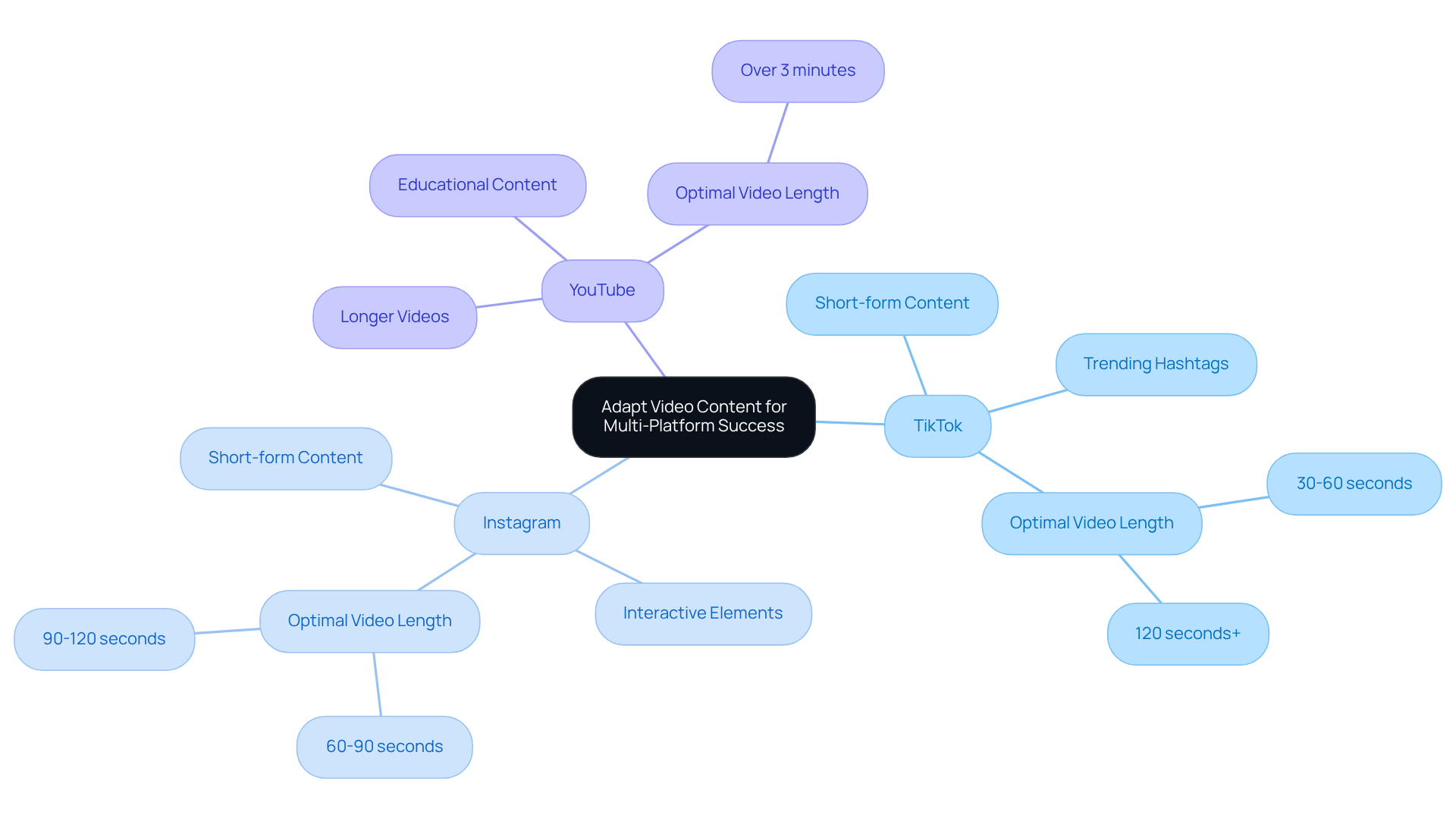
In 2025, the is characterized by a multitude of platforms, each catering to distinct audiences with varying content preferences. To achieve success across these platforms, brands must adapt their accordingly. For instance, , where it has seen a remarkable 75% increase in consumption globally, achieving engagement rates as high as 4.90% for accounts with 5K-10K followers. Conversely, , where content exceeding three minutes garners increased views and engagement. Understanding these platform nuances allows companies to create content that resonates deeply with users, fostering interaction and loyalty.
Incorporating platform-specific features is essential for maximizing visibility. For example, leveraging trending hashtags on TikTok can significantly enhance discoverability, while interactive elements in Instagram Stories can boost engagement. Additionally, brands should consider the optimal length of videos for each platform; recordings between 60 and 90 seconds on Instagram Reels consistently achieve the highest engagement rates. Furthermore, , underscoring the effectiveness of integrating such elements into promotional strategies. This strategic adaptation not only expands a brand's reach but also ensures that the remains relevant and engaging across diverse audience segments, ultimately driving conversions and enhancing . With and global livestream sales expected to reach $500 billion, the in today's cannot be overstated.
Conclusion
The integration of video as a central element in brand strategy is no longer a luxury; it’s a necessity for companies aiming to thrive in a competitive digital landscape. With visual content dominating communication channels, brands that harness the power of video can effectively engage audiences, tell compelling stories, and foster lasting connections.
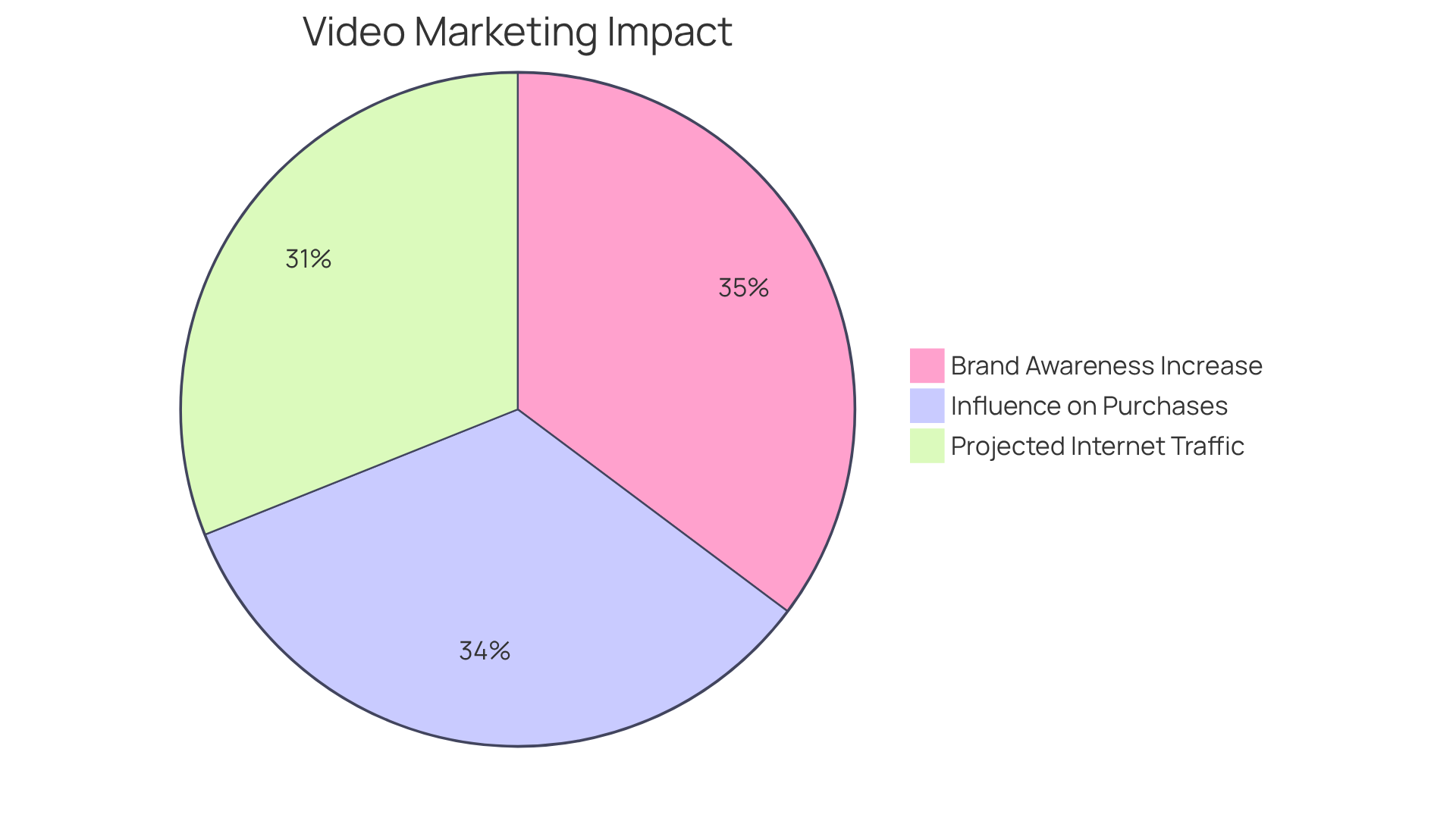
Video not only enhances storytelling capabilities but also significantly boosts engagement and brand awareness. Statistics indicate that a substantial portion of internet traffic will be driven by visual content. Therefore, brands must adapt their strategies to leverage this medium effectively. From emotional storytelling to data-driven performance metrics, the insights shared underscore the transformative potential of video marketing in achieving measurable business outcomes.
In light of these findings, brands are encouraged to embrace video as a fundamental component of their marketing strategies. By creating tailored content for various platforms and measuring its impact, companies can enhance their visibility and engagement, ultimately driving conversions and building consumer loyalty. The future of brand marketing lies in the ability to adapt and innovate with video, ensuring that brands not only capture attention but also resonate deeply with their audiences.
Frequently Asked Questions
Why is video content becoming a core component of brand strategy?
Video content has transitioned from being supplementary to essential in marketing, with 89% of companies expected to utilize visuals as a marketing tool by 2025. This shift is driven by the need to stand out in a competitive environment and effectively capture audience attention.
What platforms have contributed to the rise of visual content?
Platforms like TikTok, Instagram Reels, and YouTube Shorts have solidified the role of visual content as a primary communication method for brands.
How does prioritizing visual content benefit brands?
Brands that prioritize visual content can enhance their storytelling capabilities, increase engagement rates, and build deeper connections with consumers, ultimately driving conversions.
What is the impact of visual content on audience engagement?
By making visual content a central focus, companies can significantly improve their ability to engage with audiences and convey their messages effectively.
What should brands do to elevate their presence in the market?
Brands are encouraged to embrace the power of visual content to transform their marketing efforts and enhance their overall presence.
List of Sources
- Establish Video as a Core Component of Brand Strategy
- sundaysky.com (https://sundaysky.com/blog/2025-video-marketing-statistics)
- ashworthcreative.com (https://ashworthcreative.com/blog/2025/04/why-video-is-no-longer-optional-in-marketing-2025)
- Video Marketing Statistics 2026 (12 Years of Data) | Wyzowl (https://wyzowl.com/video-marketing-statistics)
- innovationvisual.com (https://innovationvisual.com/resources-2025/growing-importance-video-marketing-2025)
- Leverage Video for Enhanced Engagement and Storytelling
- b2w.tv (https://b2w.tv/blog/video-marketing-statistics-2025)
- blog.hubspot.com (https://blog.hubspot.com/marketing/video-marketing-statistics)
- thedesirecompany.com (https://thedesirecompany.com/blog-posts/top-40-video-marketing-statistics-to-boost-your-strategy-in-2025)
- sundaysky.com (https://sundaysky.com/blog/2025-video-marketing-statistics)
- blog.brandsatplayllc.com (https://blog.brandsatplayllc.com/blog/video-marketing-trends-2025-why-visual-storytelling-is-the-future)
- Drive Performance Metrics with Effective Video Campaigns
- 7 Key Metrics for Video Marketing Success in 2026 (https://blog.nextinymarketing.com/7-metrics-to-focus-on-when-measuring-success-of-video-marketing-efforts)
- sundaysky.com (https://sundaysky.com/blog/2025-video-marketing-statistics)
- blog.hubspot.com (https://blog.hubspot.com/marketing/video-marketing-statistics)
- gudsho.com (https://gudsho.com/blog/video-marketing-statistics)
- demandsage.com (https://demandsage.com/video-marketing-statistics)
- Adapt Video Content for Multi-Platform Success
- insivia.com (https://insivia.com/video-marketing-statistics-you-must-know-in-2025)
- socialinsider.io (https://socialinsider.io/social-media-benchmarks/social-media-video-statistics)
- Short Form Video Statistics 2026: 97+ Stats & Insights [Expert Analysis] - Marketing LTB (https://marketingltb.com/blog/statistics/short-form-video-statistics)
- 2025 Digital Media Trends: Social platforms are becoming a dominant force in media and entertainment (https://deloitte.com/us/en/insights/industry/technology/digital-media-trends-consumption-habits-survey/2025.html)
- reutersinstitute.politics.ox.ac.uk (https://reutersinstitute.politics.ox.ac.uk/news-creators-influencers/2025/mapping-news-creators-and-influencers-social-and-video-networks)