
Introduction
The rise of management influencers signifies a pivotal shift in how brands connect with their audiences, fundamentally transforming marketing strategies. A staggering 86% of consumers are influenced by social media personalities in their purchasing decisions, highlighting the immense potential for brands to harness this dynamic. However, as the digital marketplace grows increasingly competitive, the challenge lies in effectively integrating influencer strategies into brand management.
How can companies navigate this evolving terrain to enhance visibility while fostering authentic connections that drive loyalty and sales? This question is crucial as brands seek to not only capture attention but also build lasting relationships with their consumers.
Understand the Role of Influencer Strategies in Brand Management
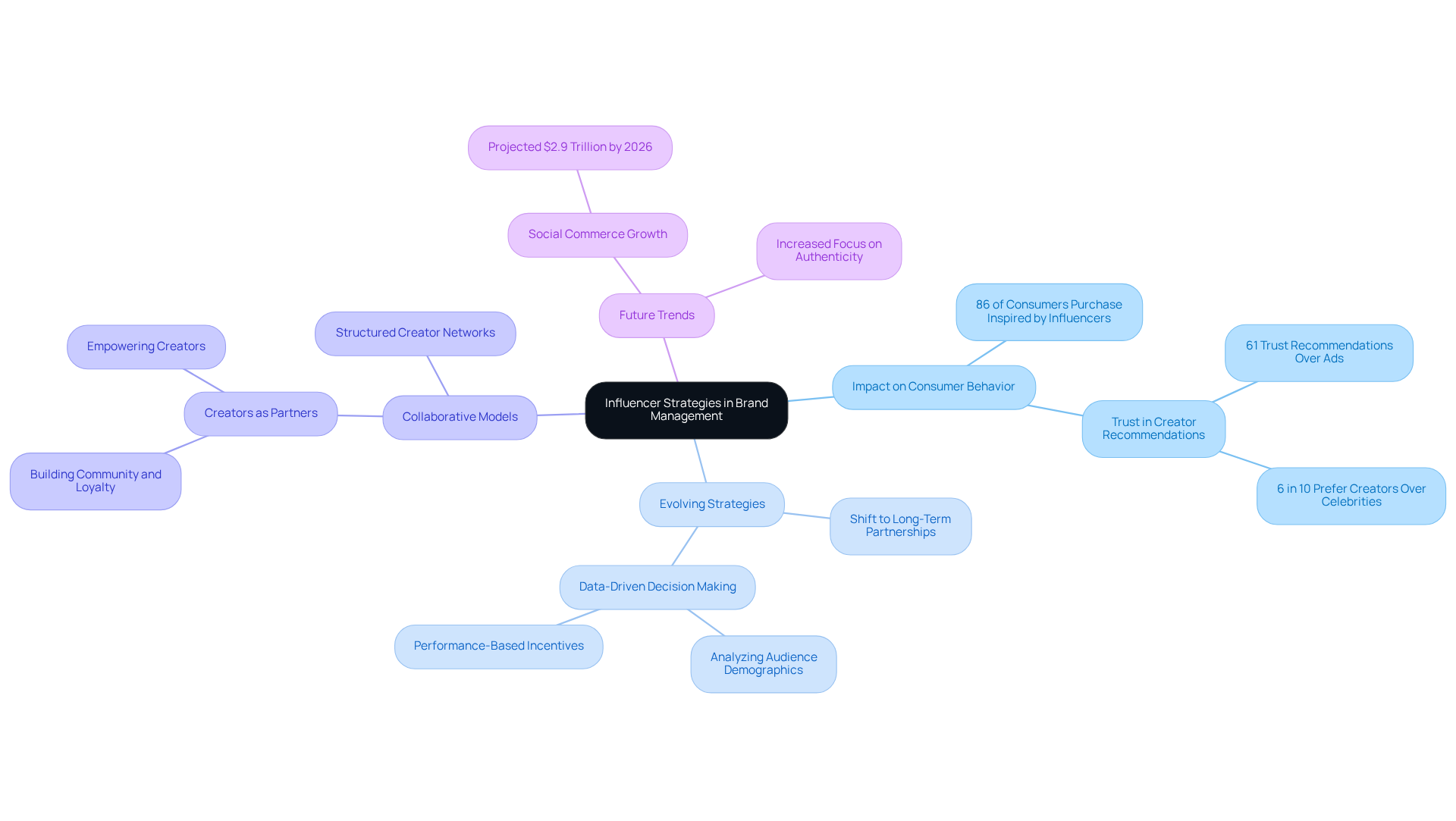
Management in modern product management, acting as a vital link between products and their target audiences. Did you know that "86% of consumers make a purchase inspired by a at least once per year"? This statistic underscores the significant . By leveraging the trust and extensive reach of influencers, companies can effectively communicate their messages and core values.
Influencers serve as authentic voices that resonate deeply with audiences, playing a crucial role in shaping product narratives. This strategy not only boosts visibility but also cultivates a sense of community and engagement among individuals. As we look ahead to 2025, companies are shifting from one-off promotions to . Understanding this evolving role is key to that align with changing market expectations and behaviors.
MediaNug's by ensuring they receive fair compensation for every project, granting them the freedom to express their unique styles. This approach fosters a collaborative environment where are viewed as essential partners in the company's narrative. Furthermore, companies that embrace this collaborative model often experience enhanced synergy and improved campaign outcomes.
As the landscape of continues to evolve, adopting advocate approaches will be crucial for companies aiming to maintain relevance and build loyalty in a competitive marketplace. Are you ready to engage with influencers and transform your marketing strategy?
Explore the Benefits of Influencer Strategies for Brand Engagement
Strategies from a management influencer offer that can greatly enhance a company's engagement. Consider this: they expand market reach by tapping into the creator's established audience, often made up of highly engaged followers. This exposure not only but also increases visibility in saturated markets.
Furthermore, foster authenticity. When management influencers genuinely endorse a product, their followers are more likely to trust the brand, leading to . In addition, content from management influencers typically generates greater engagement compared to traditional advertising, as it resonates more deeply with audiences.
Brands that effectively implement can witness , loyalty, and ultimately, sales. So, how can your brand leverage these strategies to ? to explore tailored that can elevate your brand's presence.

Identify the Risks of Ignoring Influencer Strategies in Branding
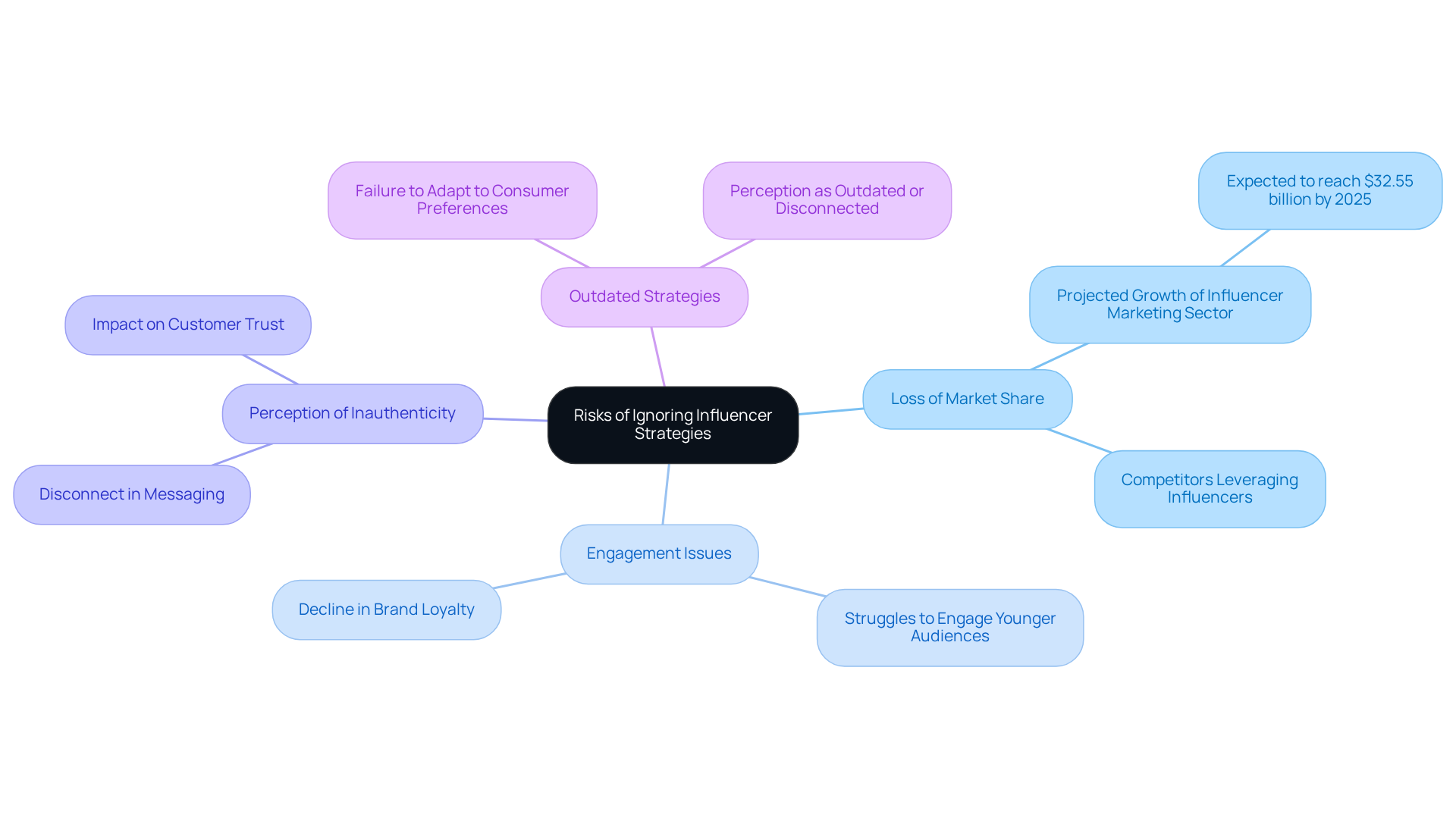
Ignoring promotional tactics can significantly jeopardize a company's position in the fiercely competitive digital landscape. The most pressing risk? Losing market share to competitors who adeptly leverage the influence of . Brands that neglect often struggle to engage younger audiences, who increasingly rely on social media and influencers for product recommendations. This disconnect fosters a perception of inauthenticity in messaging, complicating efforts to forge . As a result, companies may face diminished loyalty and trust, directly impacting sales and growth.
Furthermore, as consumer preferences evolve, companies that fail to adopt risk being perceived as outdated or disconnected from contemporary trends. By 2025, are projected to see a significant boost in market share, with the . Understanding these pitfalls before investing substantial resources in can be the difference between a successful campaign and a costly misstep.
The stakes are high; brands must recognize that lacking a robust advocacy plan can lead to , including missed opportunities for engagement and revenue. Are you prepared to take action and ensure your brand remains relevant in this dynamic market?
Analyze the Impact of Consumer Behavior on Influencer Strategy Effectiveness
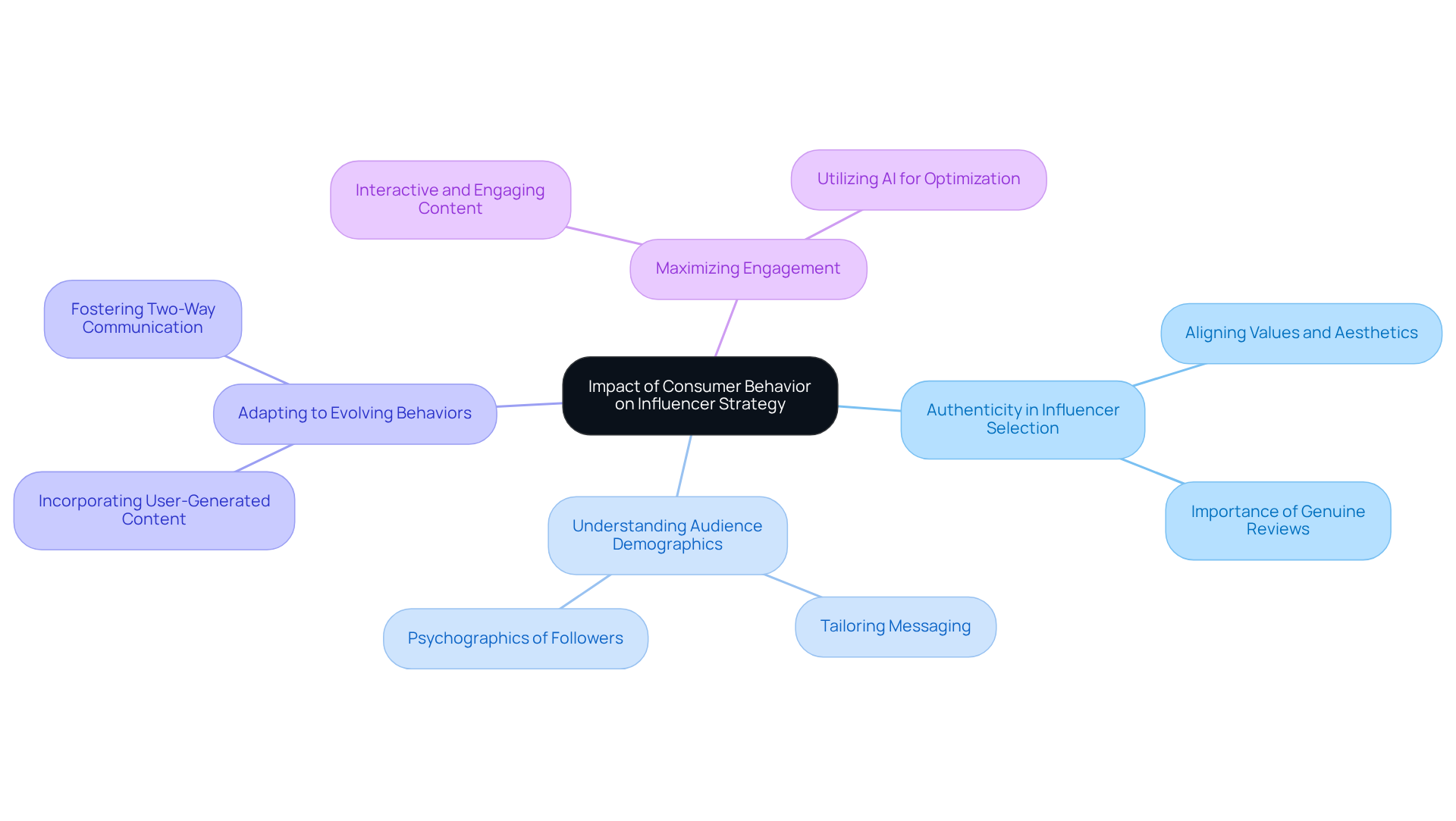
Consumer behavior is pivotal in shaping the effectiveness of . As buyers increasingly seek authenticity and relatability, the choice of influencers becomes paramount. Brands must select to cultivate genuine connections with audiences. Furthermore, enables brands to tailor their messaging for more effective engagement.
The rise of social media platforms has transformed audience expectations; viewers now demand more . Brands that adapt their to these evolving behaviors - such as incorporating and fostering two-way communication - are more likely to achieve successful outcomes. Ultimately, with consumer behavior trends is essential for .
Are you ready to ? By embracing these insights, you can ensure your brand not only meets but exceeds audience expectations.
Conclusion
Incorporating management influencer strategies is no longer just an option; it is a necessity for brands aiming for success in a competitive landscape. These strategies leverage the authenticity and reach of influencers to create meaningful connections with target audiences, ultimately driving engagement and loyalty. As consumer behavior continues to evolve, brands must adapt by embracing long-term partnerships with influencers to effectively communicate their values and narratives.
Furthermore, several key points highlight the importance of influencer strategies:
- Expanding market reach
- Enhancing authenticity
- Mitigating risks associated with neglecting these approaches
The evidence is clear. Brands that actively engage with management influencers can expect not only increased visibility but also improved conversion rates and customer loyalty. Conversely, ignoring these strategies can lead to a disconnect with younger audiences and a potential loss of market share, as the influencer marketing sector continues to grow exponentially.
Ultimately, the significance of integrating influencer strategies into brand management cannot be overstated. By understanding and responding to consumer preferences and behaviors, brands can position themselves for success in an ever-changing market. Taking action now to implement effective influencer partnerships could be the key to unlocking new opportunities for engagement, growth, and lasting brand loyalty. Embrace the power of influencer marketing and watch your brand thrive.
Frequently Asked Questions
What is the role of influencers in brand management?
Influencers act as a vital link between products and their target audiences, serving as authentic voices that resonate with consumers and shape product narratives.
How do influencers impact consumer behavior?
Influencers significantly impact consumer behavior, with statistics showing that 86% of consumers make a purchase inspired by a social media personality at least once per year.
What are the benefits of using influencers in marketing strategies?
Utilizing influencers boosts visibility, cultivates community engagement, and helps communicate a company's messages and core values effectively.
How is the approach to influencer partnerships changing?
Companies are shifting from one-off promotions to long-term partnerships with influencers, reflecting an evolving role that aligns with changing market expectations and behaviors.
What is MediaNug's NugVerse and how does it support influencers?
MediaNug's NugVerse empowers creators by ensuring they receive fair compensation for their projects, fostering a collaborative environment where influencers are seen as essential partners in a company's narrative.
What advantages do companies gain by adopting a collaborative model with influencers?
Companies that embrace a collaborative model with influencers often experience enhanced synergy and improved campaign outcomes.
Why is it important for companies to adopt advocate approaches in digital marketing?
Adopting advocate approaches is crucial for companies aiming to maintain relevance and build loyalty in a competitive marketplace as the digital marketing landscape continues to evolve.
List of Sources
- Understand the Role of Influencer Strategies in Brand Management
- The Impact of Social Media on Brand Management (https://indwes.edu/articles/2025/04/the-impact-of-social-media-on-brand-management)
- How The Creator Economy Is Reshaping Modern Marketing – And Why Brands Are Paying Attention (https://forbes.com/sites/lowes-creator/2025/06/16/how-the-creator-economy-is-reshaping-modern-marketing--and-why-brands-are-paying-attention)
- 32 influencer marketing statistics to guide your brand’s strategy in 2026 (https://sproutsocial.com/insights/influencer-marketing-statistics)
- theadfirm.net (https://theadfirm.net/how-brands-leverage-influencer-partnerships-in-2025)
- thesocialshepherd.com (https://thesocialshepherd.com/blog/influencer-marketing-statistics)
- Explore the Benefits of Influencer Strategies for Brand Engagement
- How Influencer Marketing Can Boost Your PR in 2026 (https://channelvmedia.com/blog/how-influencer-marketing-can-boost-your-pr-influence)
- emarketer.com (https://emarketer.com/content/brands-prioritizing-engagement--loyalty-influencer-marketing)
- Key Social Media Marketing Statistics for 2025 | Sprinklr (https://sprinklr.com/blog/social-media-marketing-statistics)
- 2026 Influencer Marketing Statistics: ROI, Trends & Platform Data (https://sociallyin.com/influencer-marketing-statistics)
- 32 influencer marketing statistics to guide your brand’s strategy in 2026 (https://sproutsocial.com/insights/influencer-marketing-statistics)
- Identify the Risks of Ignoring Influencer Strategies in Branding
- Influencer Marketing Can Cause Headaches With FTC, Creators’ NIL (https://news.bloomberglaw.com/us-law-week/influencer-marketing-can-cause-headaches-with-ftc-creators-nil)
- partnrup.ai (https://partnrup.ai/the-hidden-pitfalls-of-influencer-marketing-what-brands-need-to-know-before-investing)
- goviralglobal.com (https://goviralglobal.com/post/influencer-marketing-facts-and-statistics-updated-september-2025)
- Influencer Marketing Statistics 2026: 99+ Stats & Insights You Need - Marketing LTB (https://marketingltb.com/blog/statistics/influencer-marketing-statistics)
- everything-pr.com (https://everything-pr.com/influencer-marketing-fails-in-youth-marketing-why-the-strategy-needs-a-rethink)
- Analyze the Impact of Consumer Behavior on Influencer Strategy Effectiveness
- 32 influencer marketing statistics to guide your brand’s strategy in 2026 (https://sproutsocial.com/insights/influencer-marketing-statistics)
- themotherhood.com (https://themotherhood.com/influencer-marketing-resources-may-2025-2)
- 2026 Influencer Marketing Statistics: ROI, Trends & Platform Data (https://sociallyin.com/influencer-marketing-statistics)
- goviralglobal.com (https://goviralglobal.com/post/influencer-marketing-facts-and-statistics-updated-september-2025)
- 14 Influencer Marketing Growth Statistics for 2026 (https://archive.com/blog/influencer-marketing-growth-statistics)